Ceramic Cooktops
Sleekly designed, electric Ceramic Cooktops are affordable yet nevertheless highly effective - bringing the performance you need for regular meals in a busy household. Choose from a variety of configurations and styles - all sourced from the world’s leading brands - to complete a dynamic and efficient kitchen set-up.

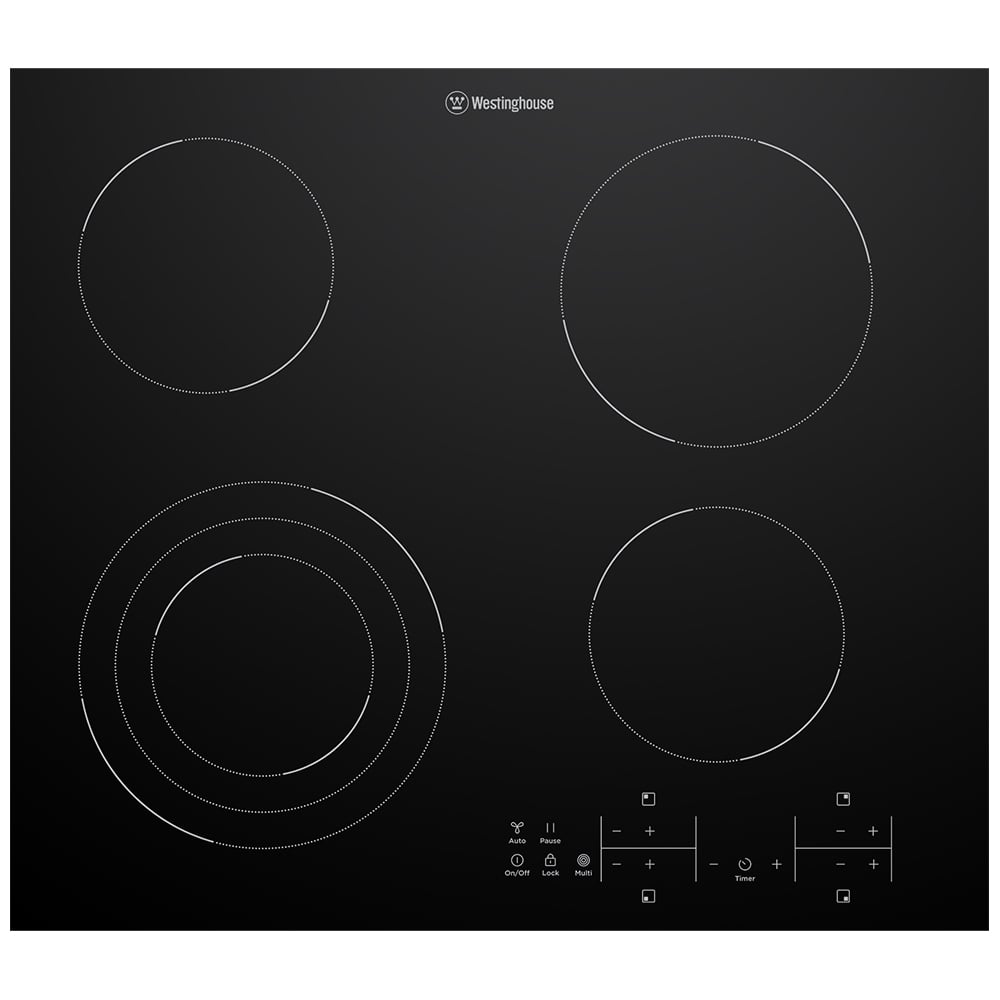
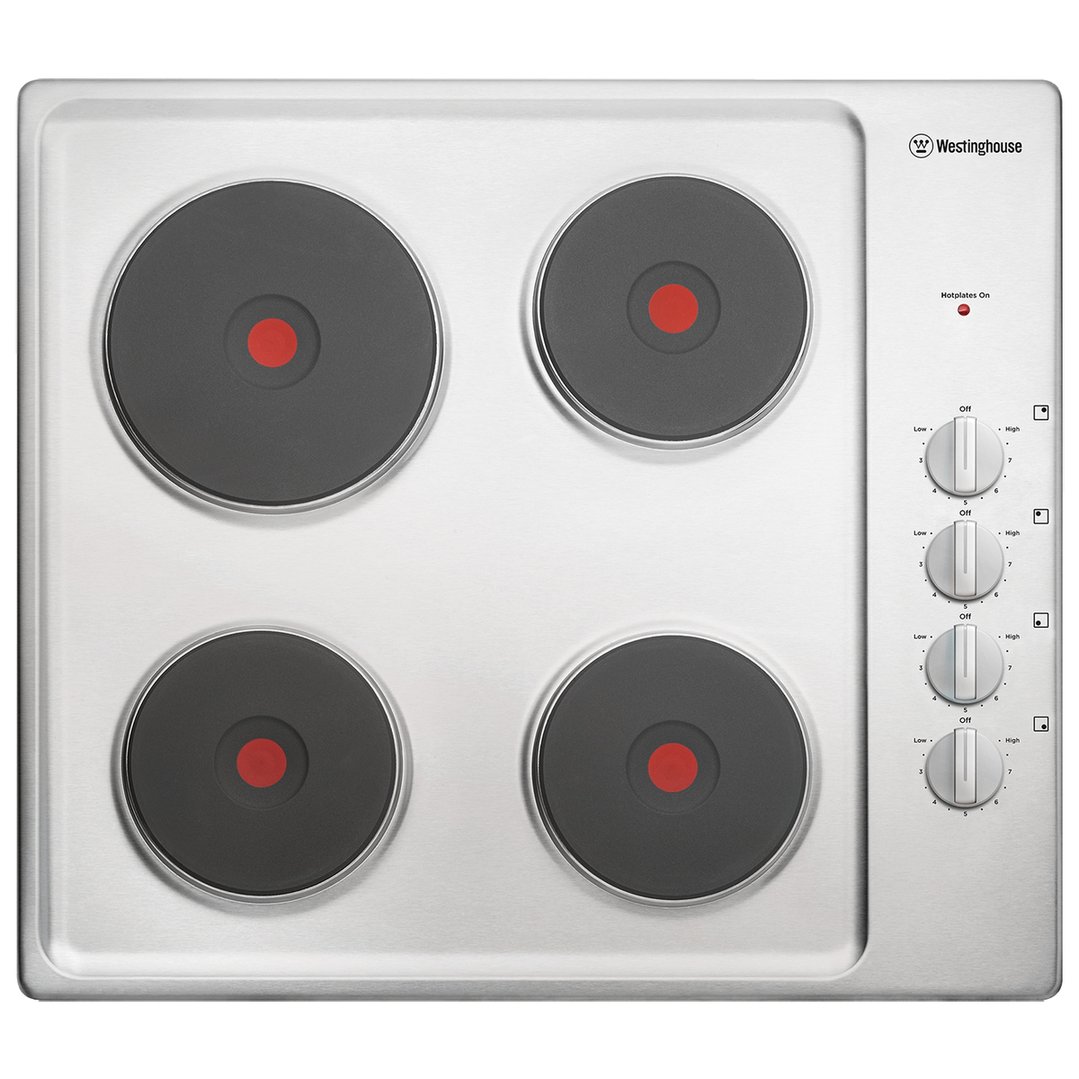

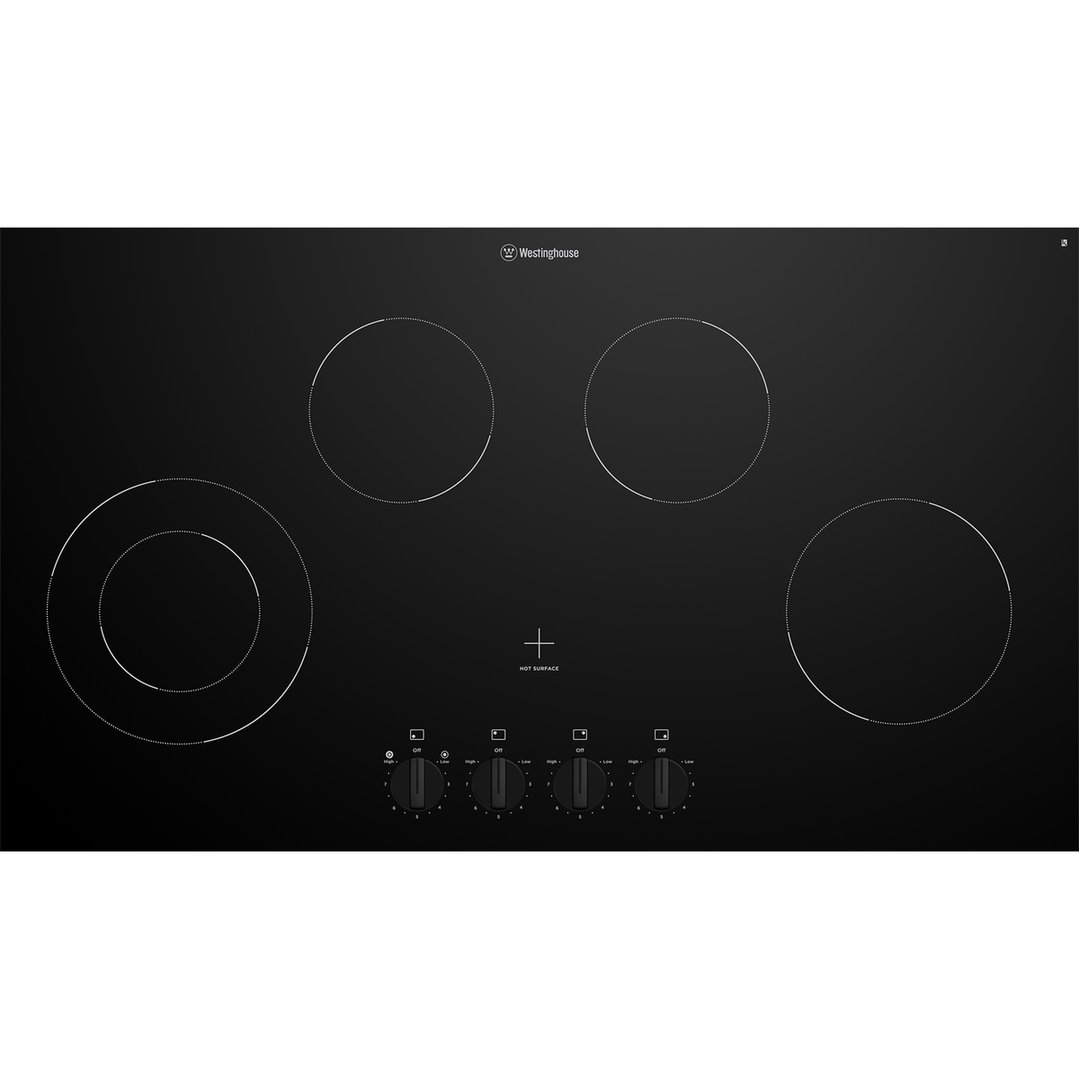
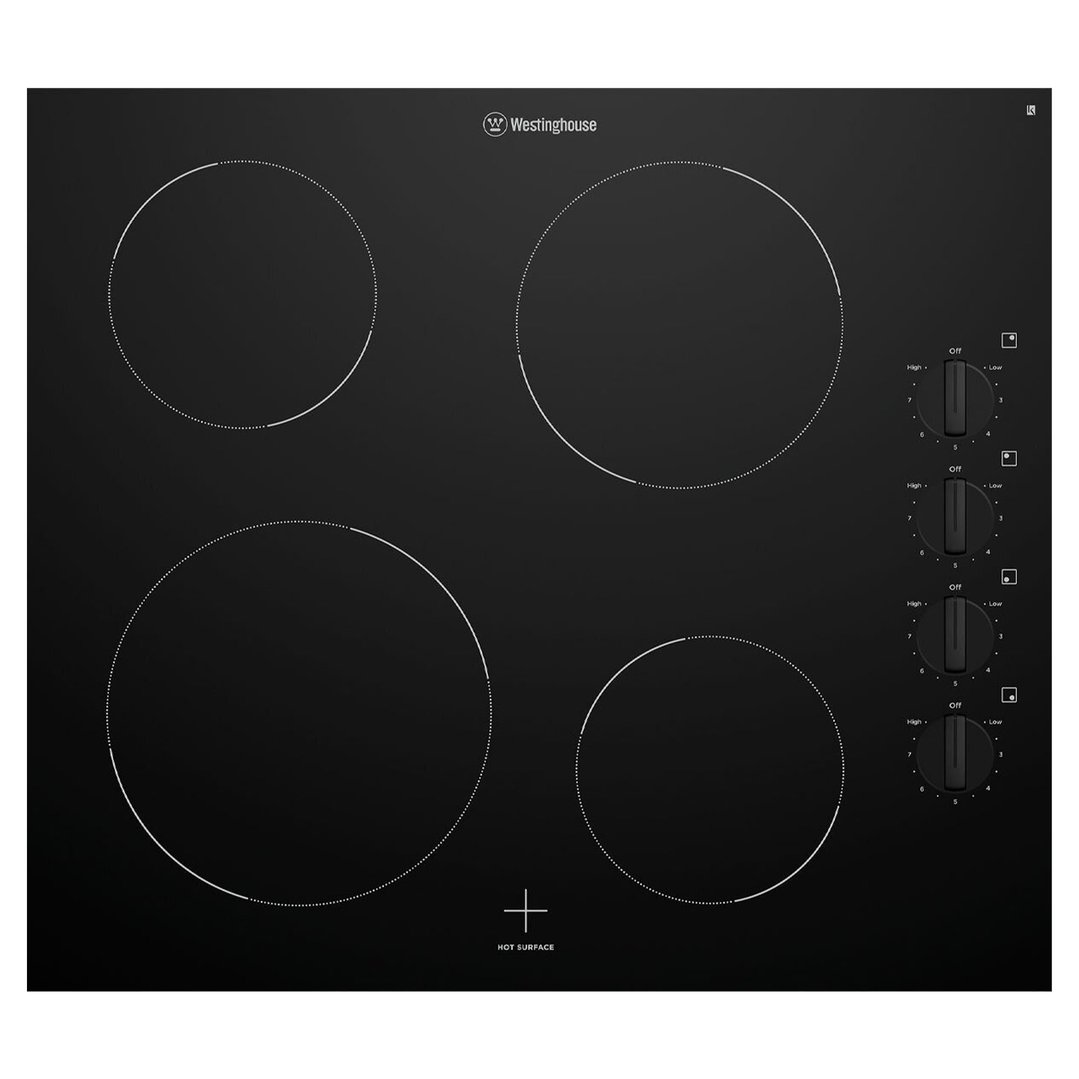

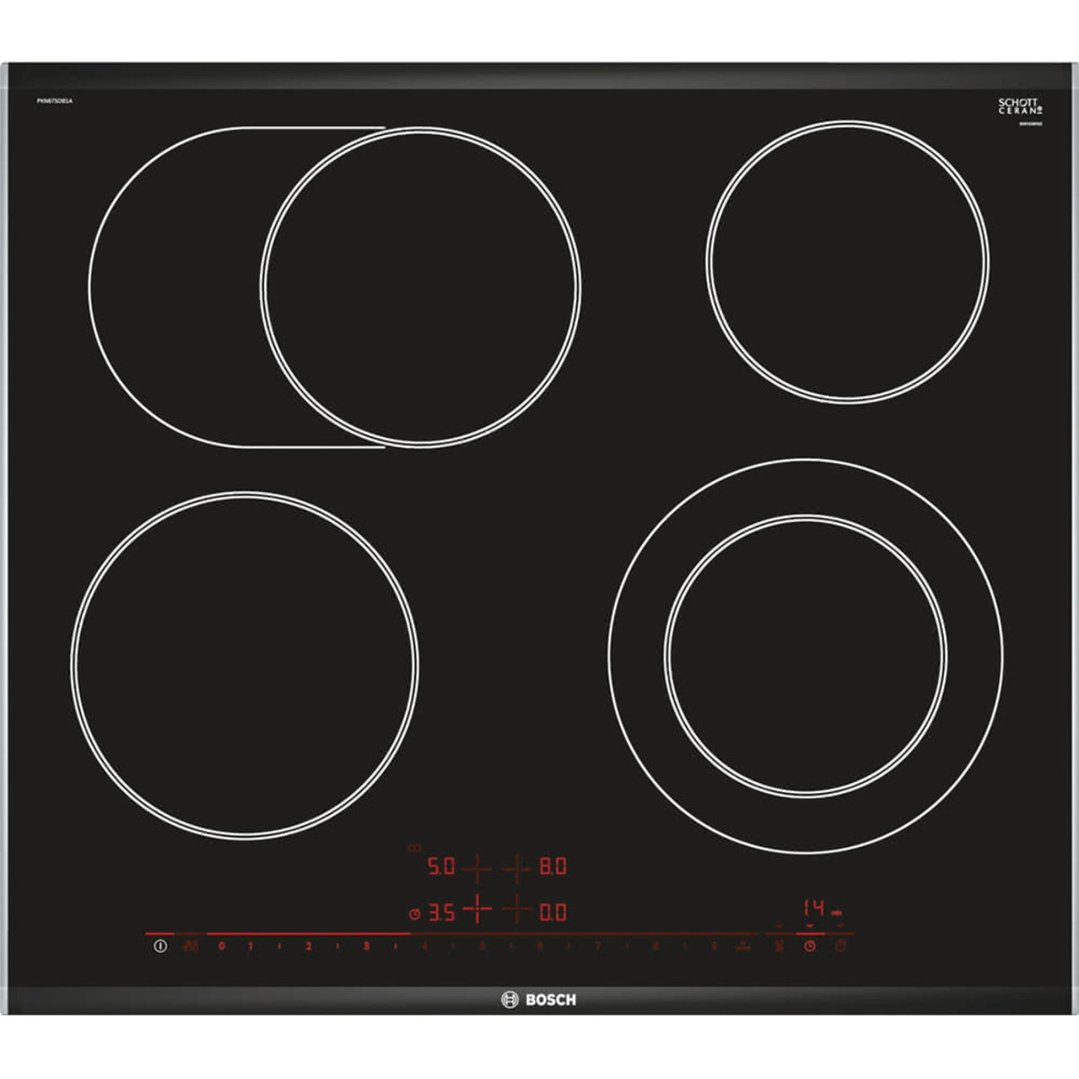
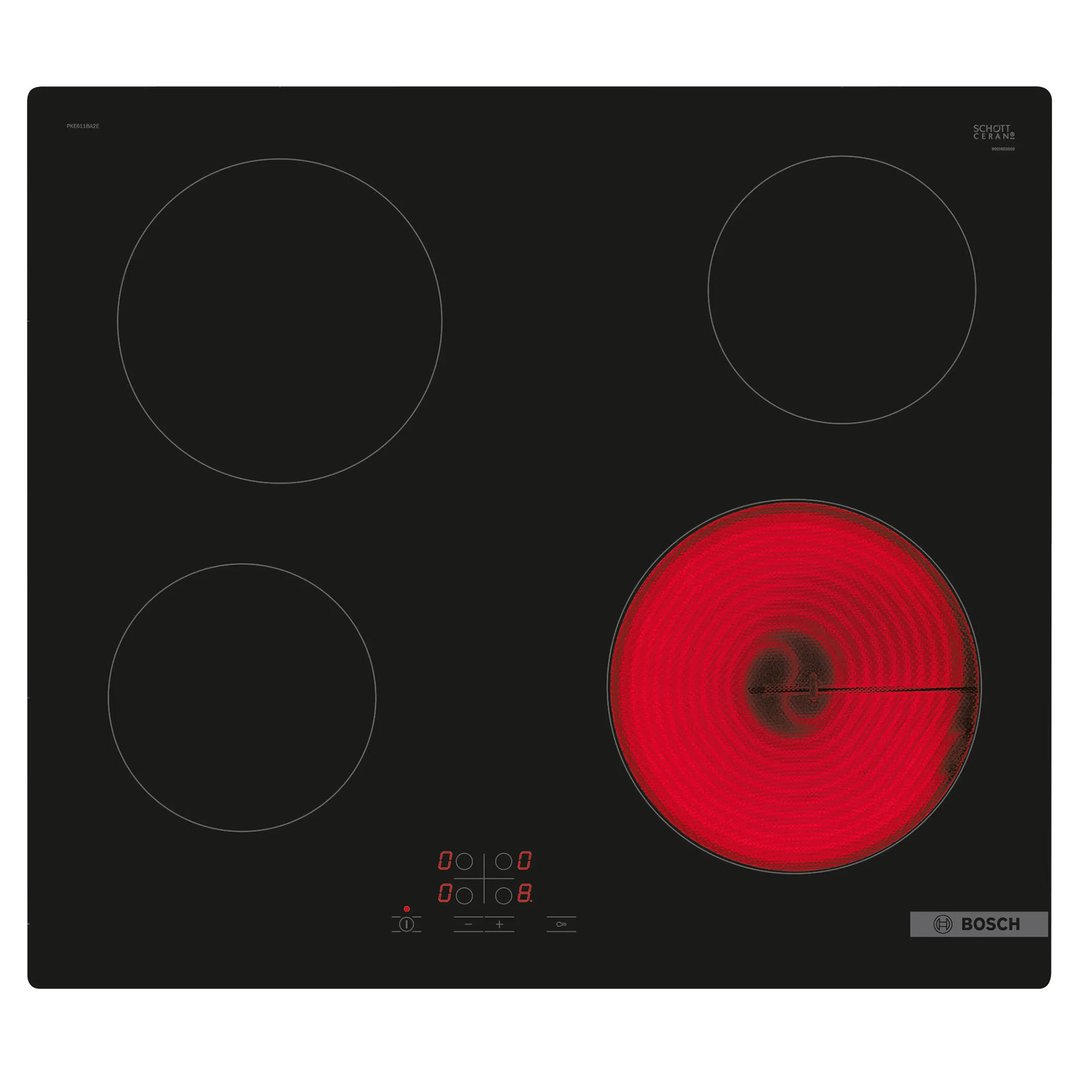

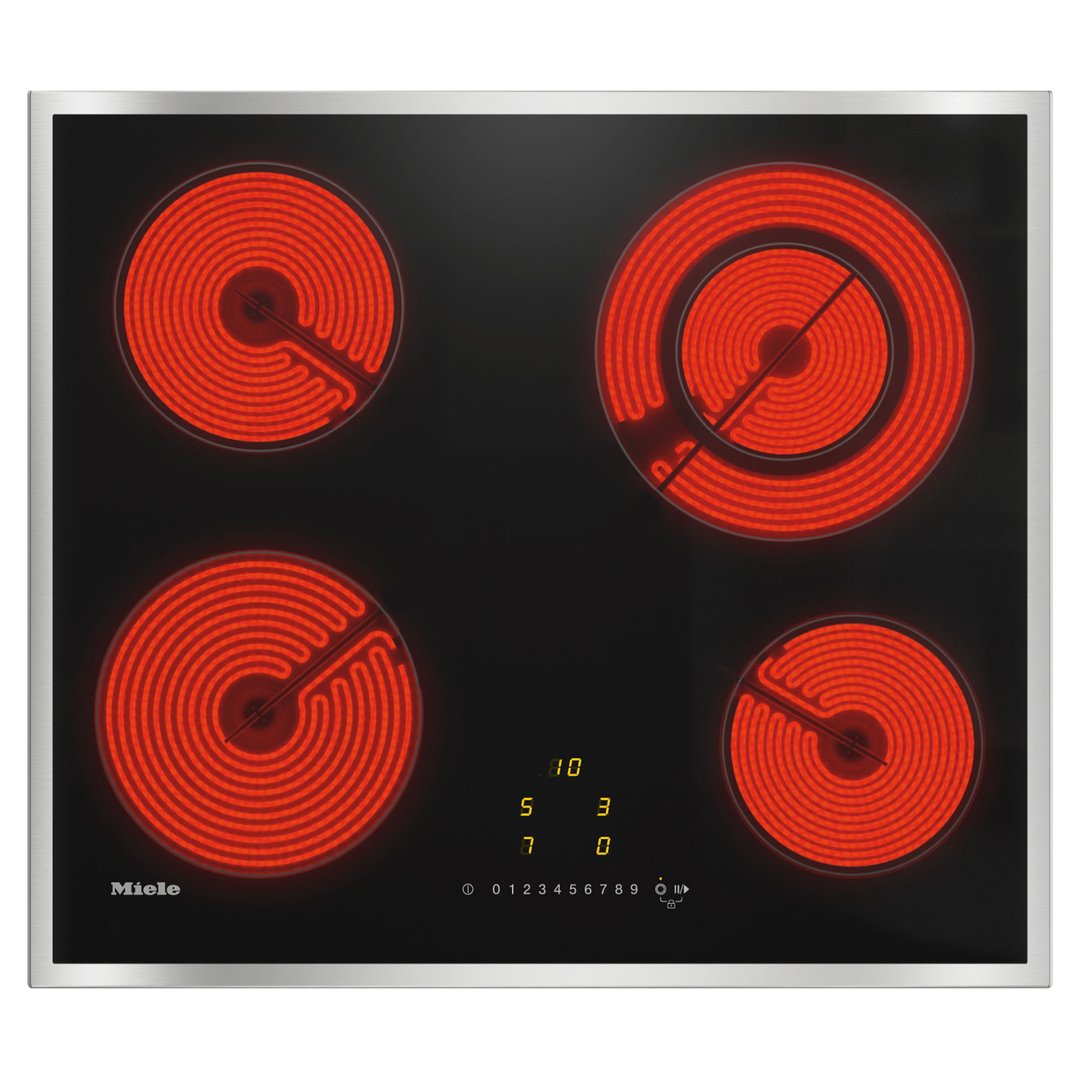
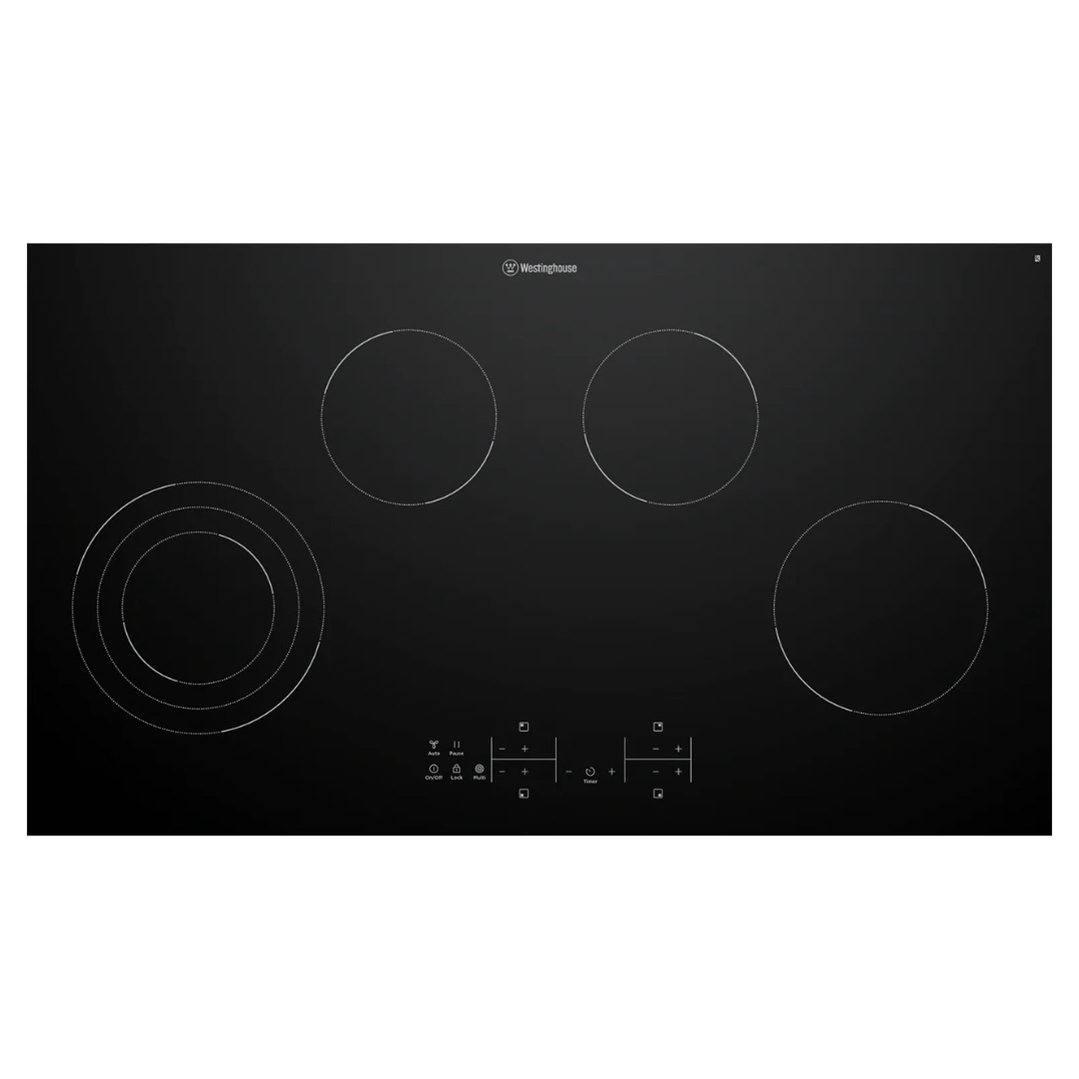
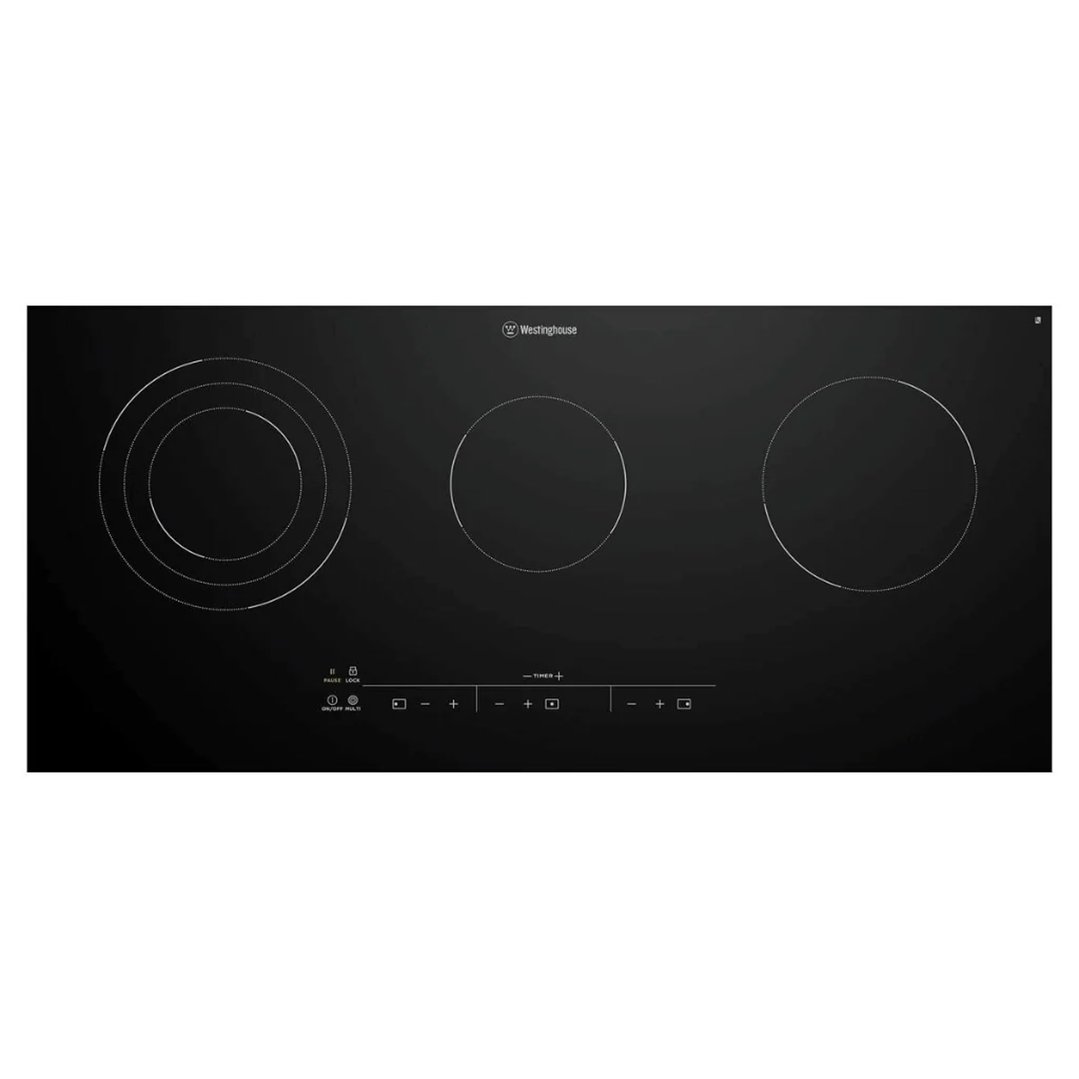
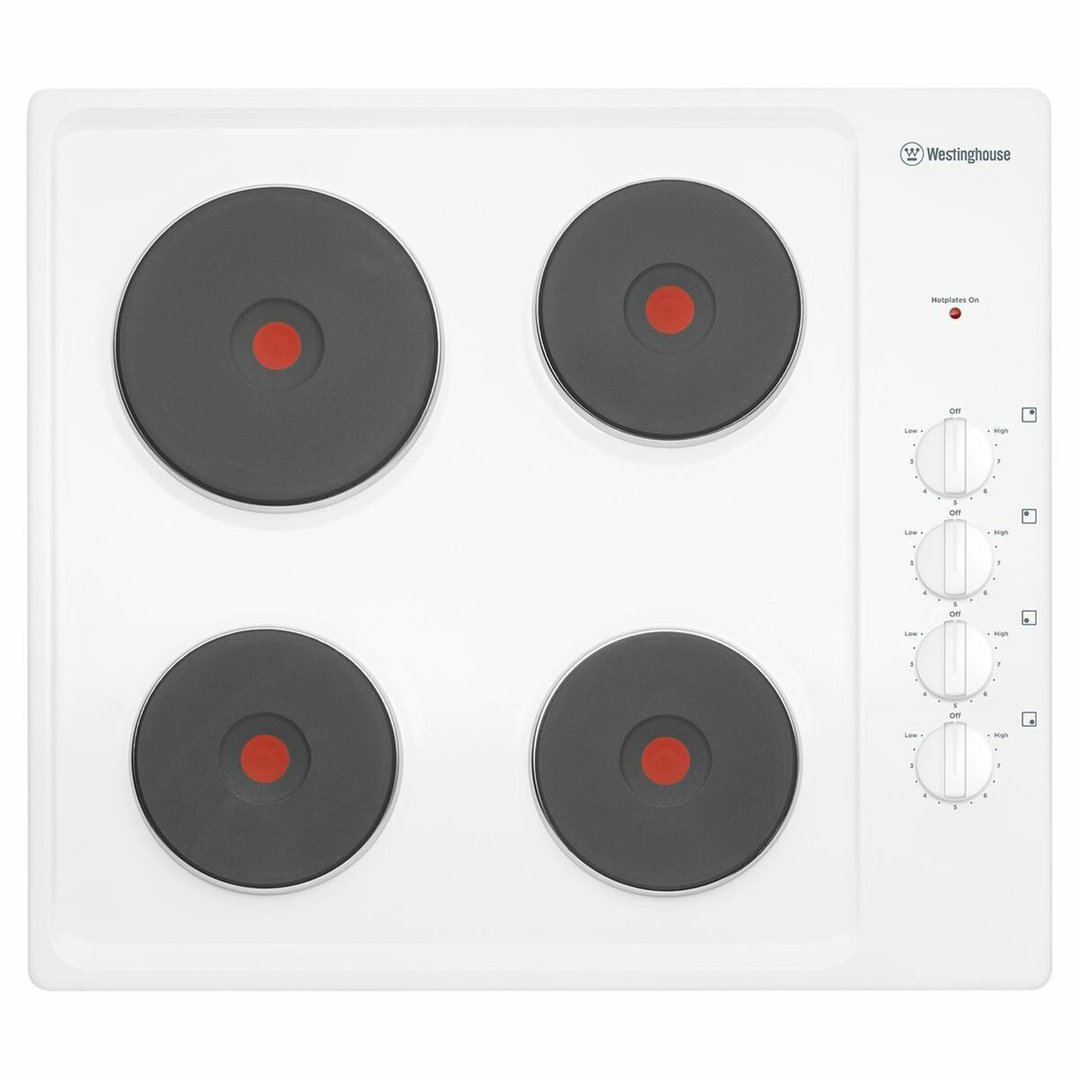
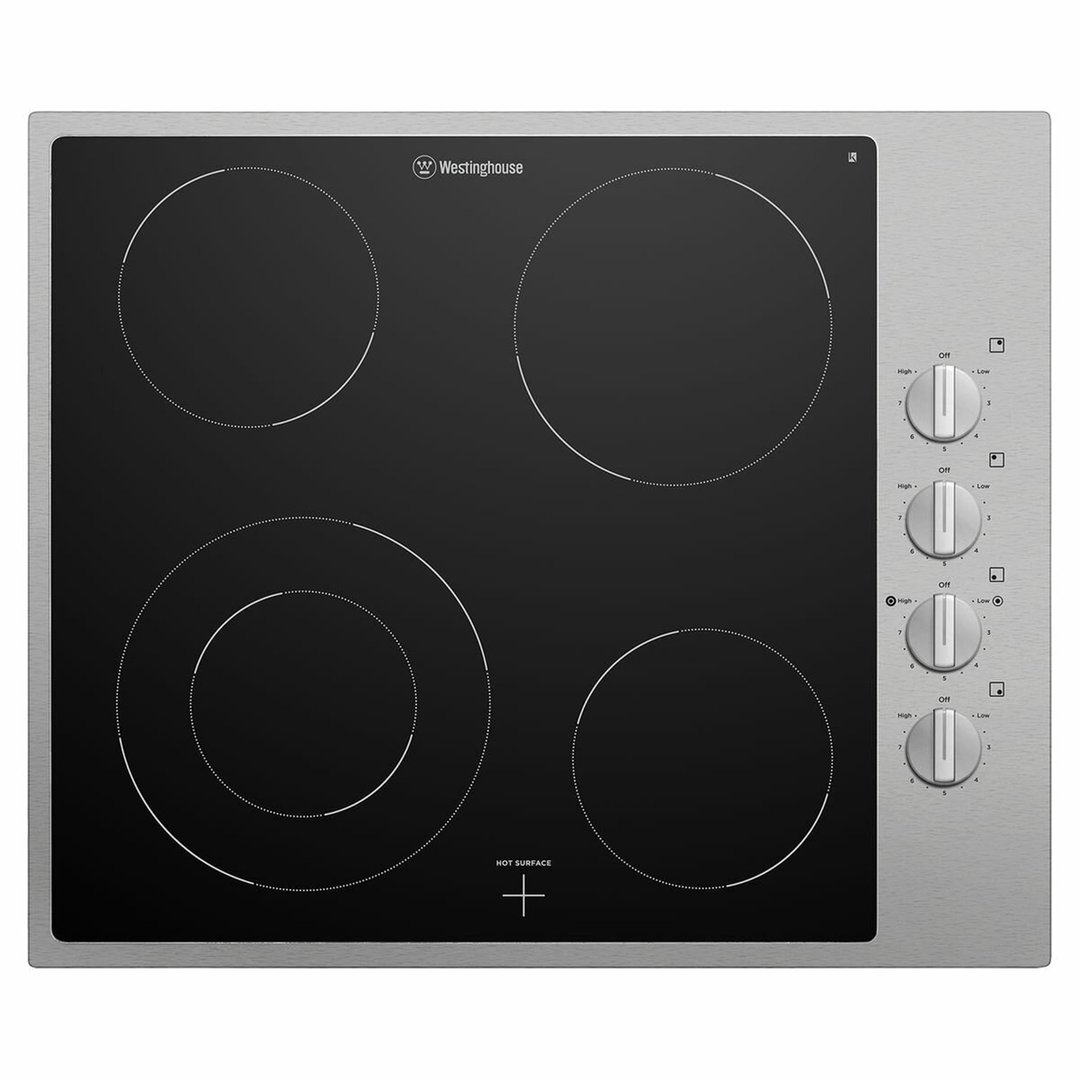
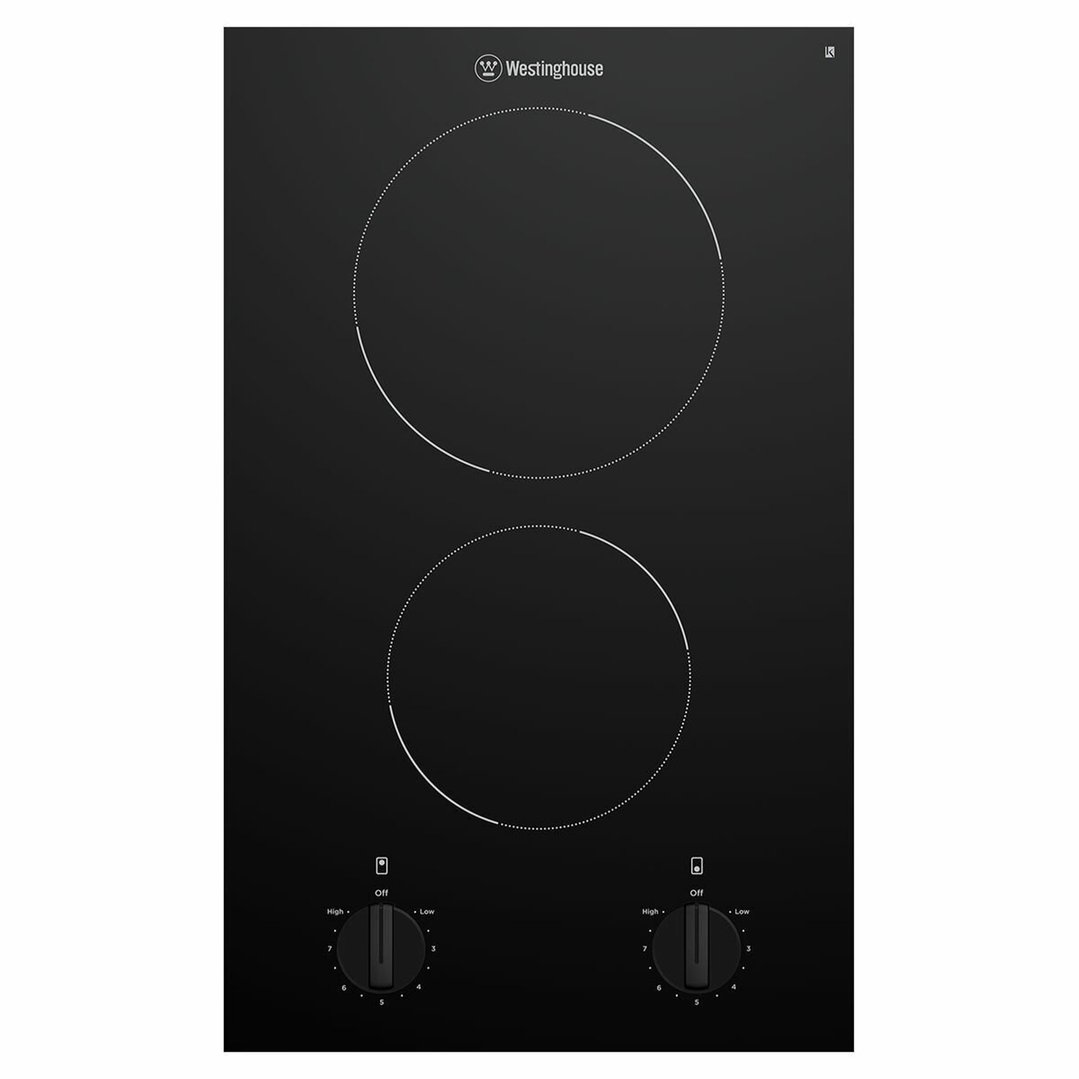

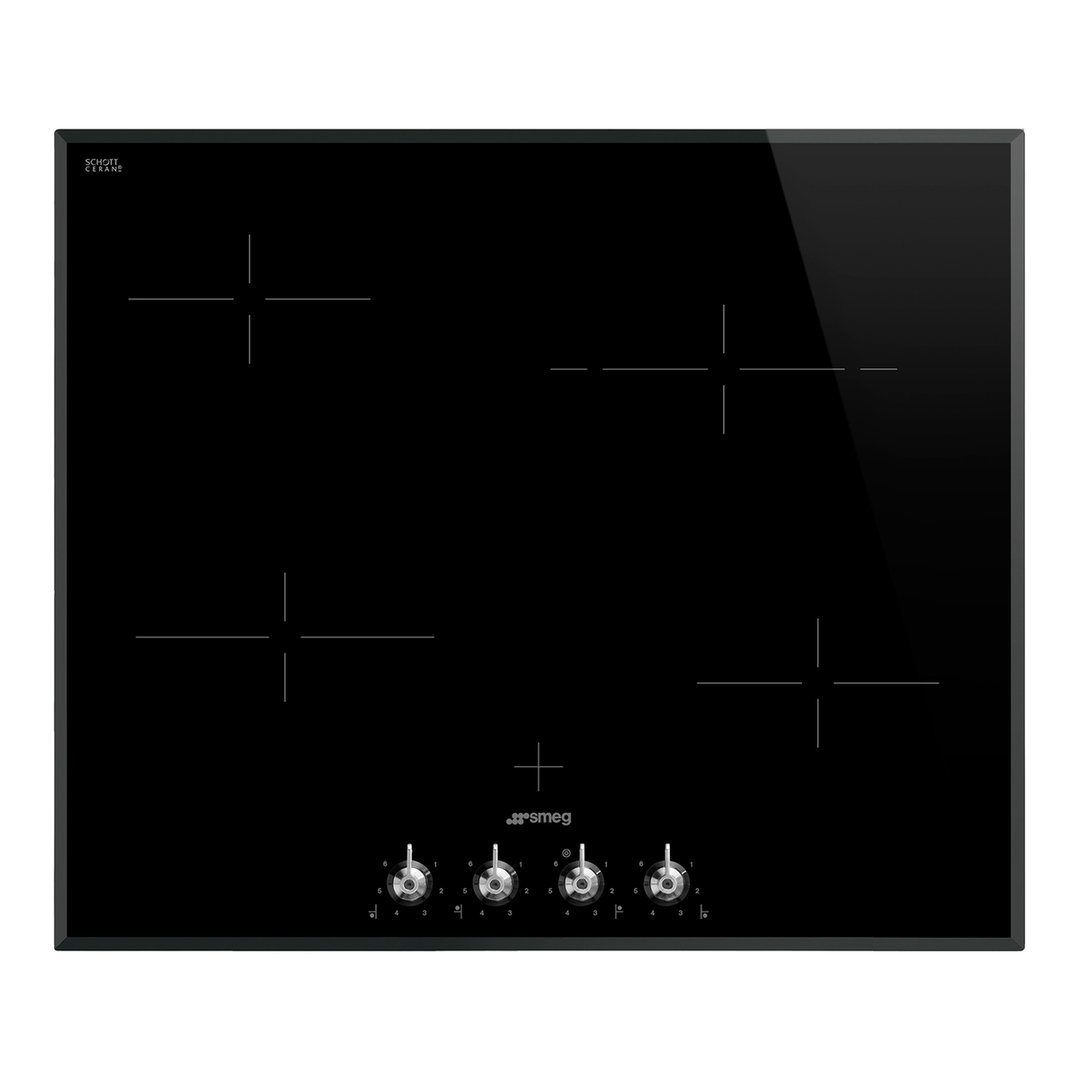

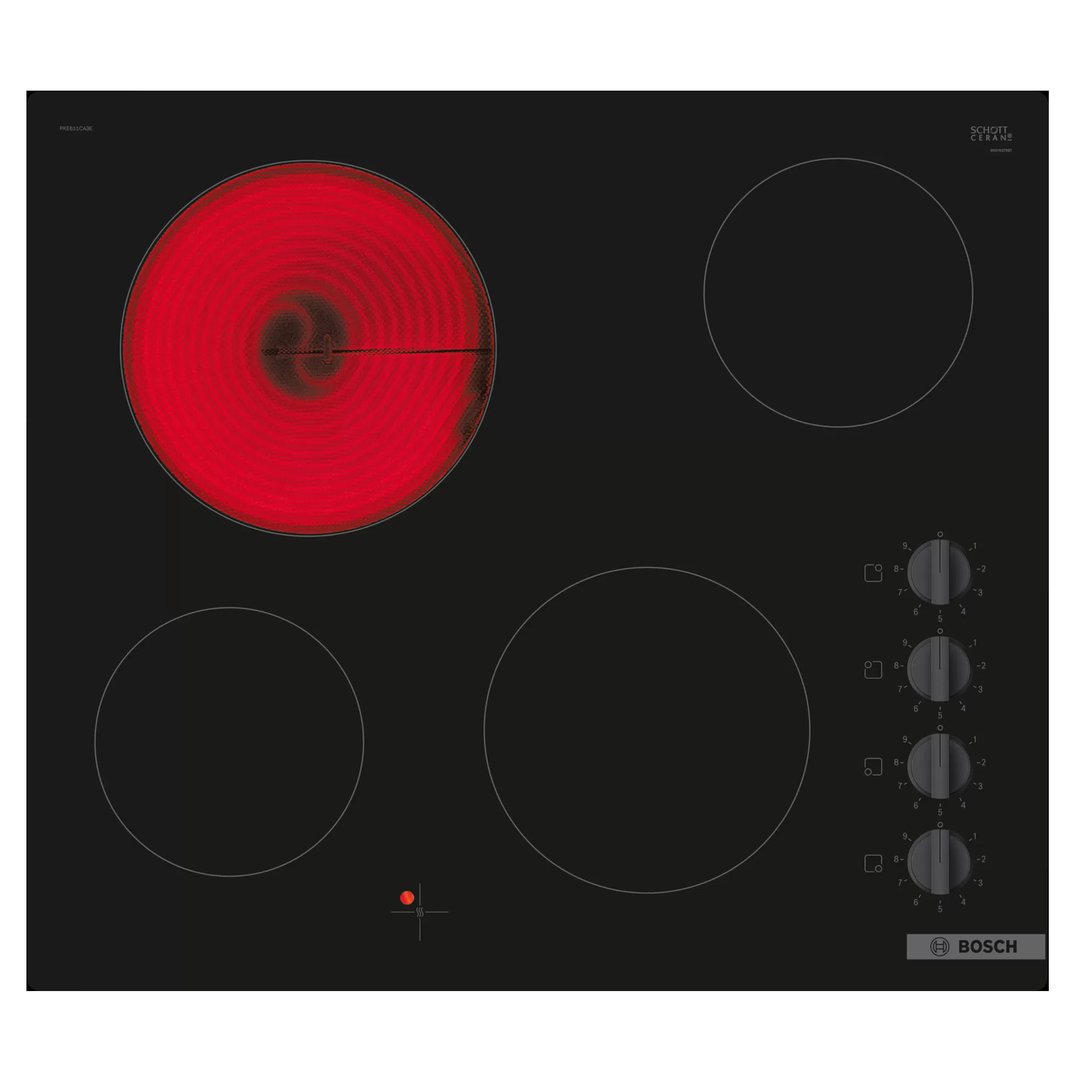
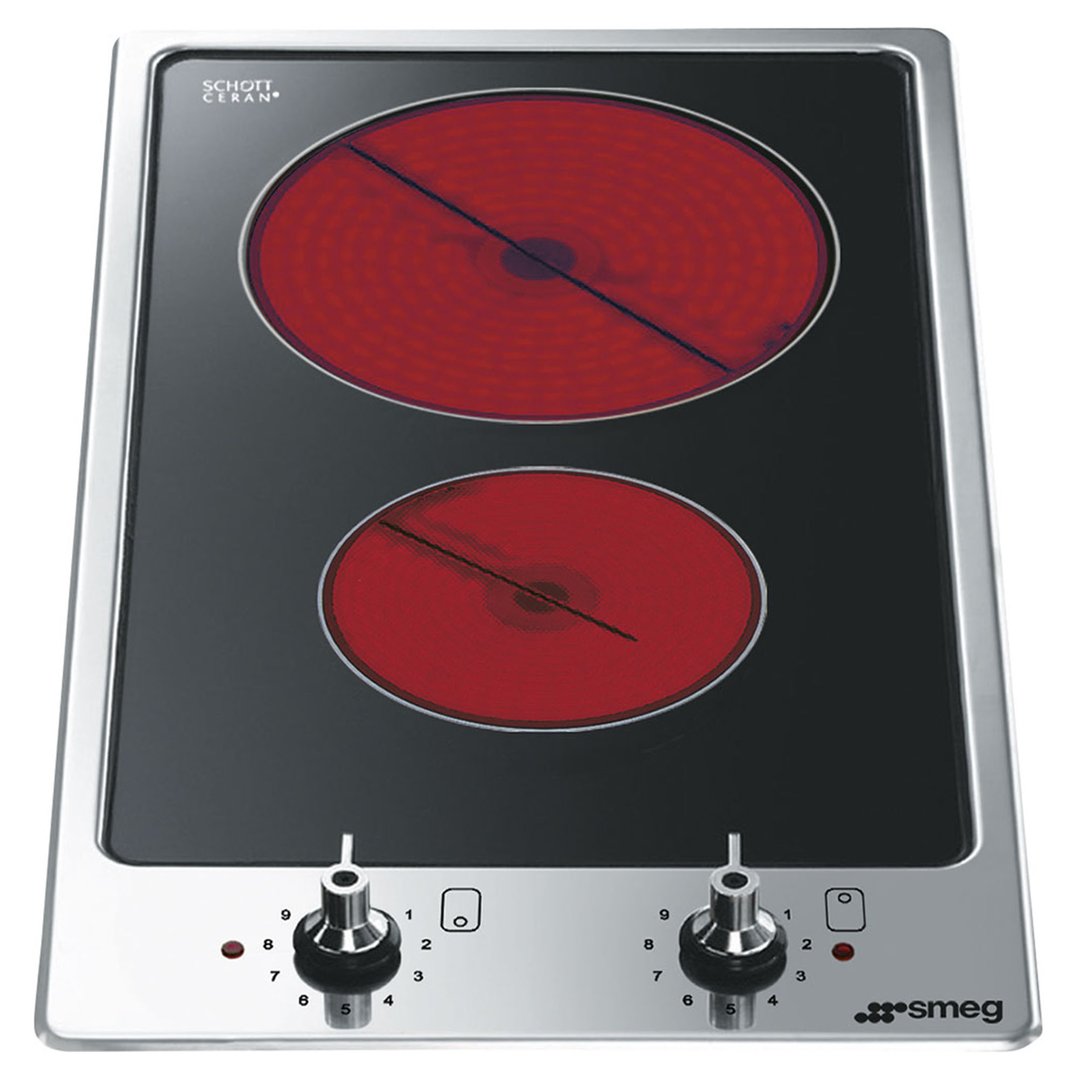

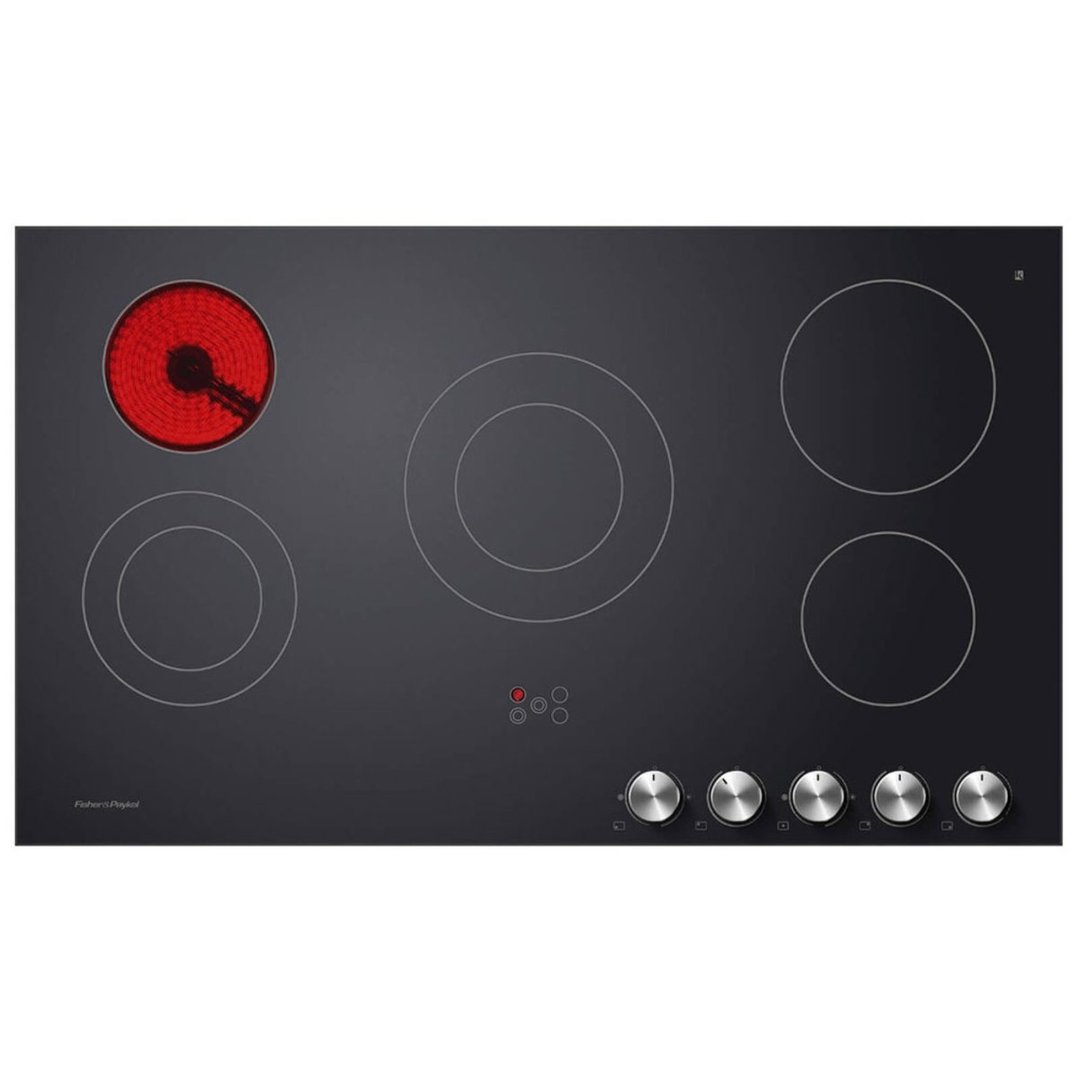
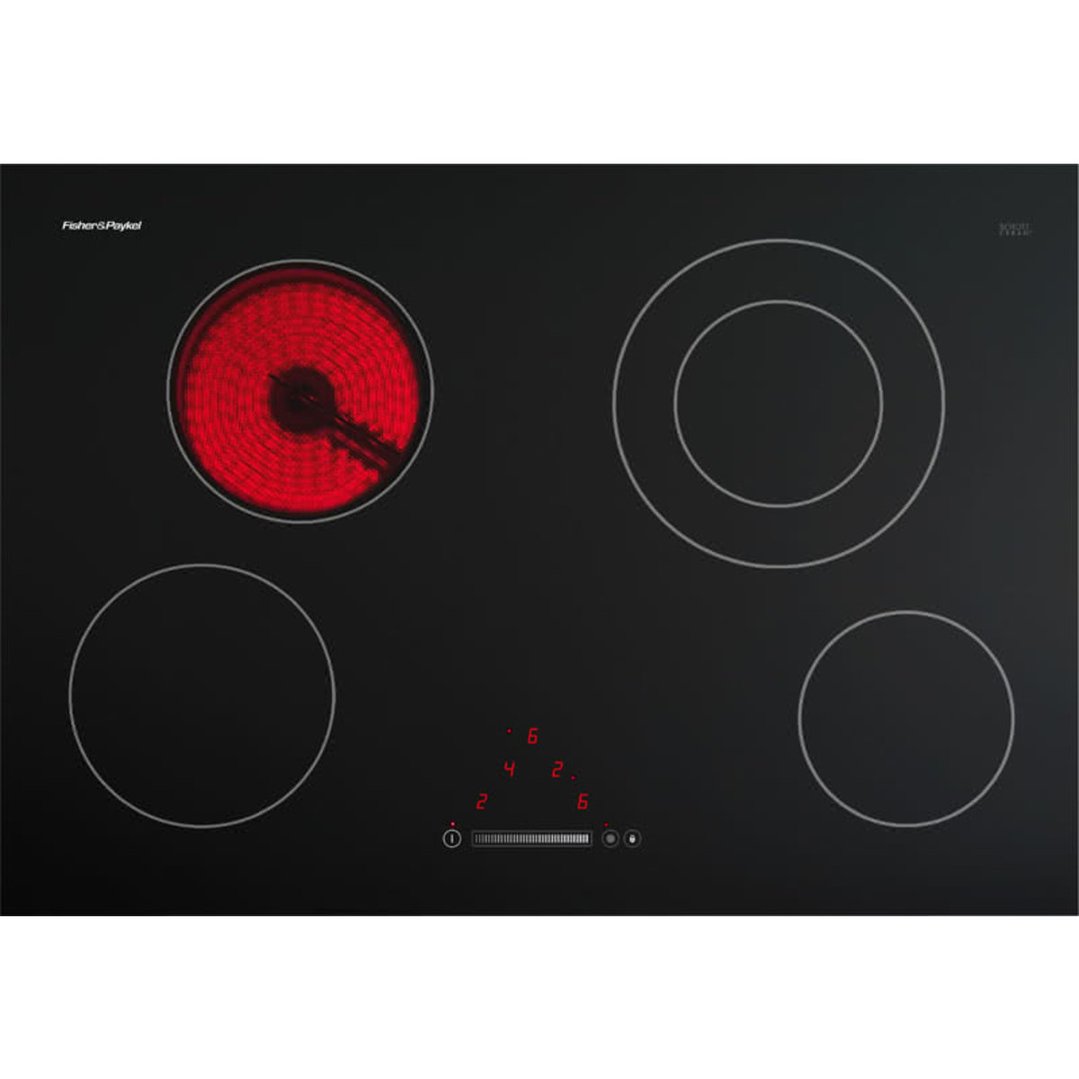
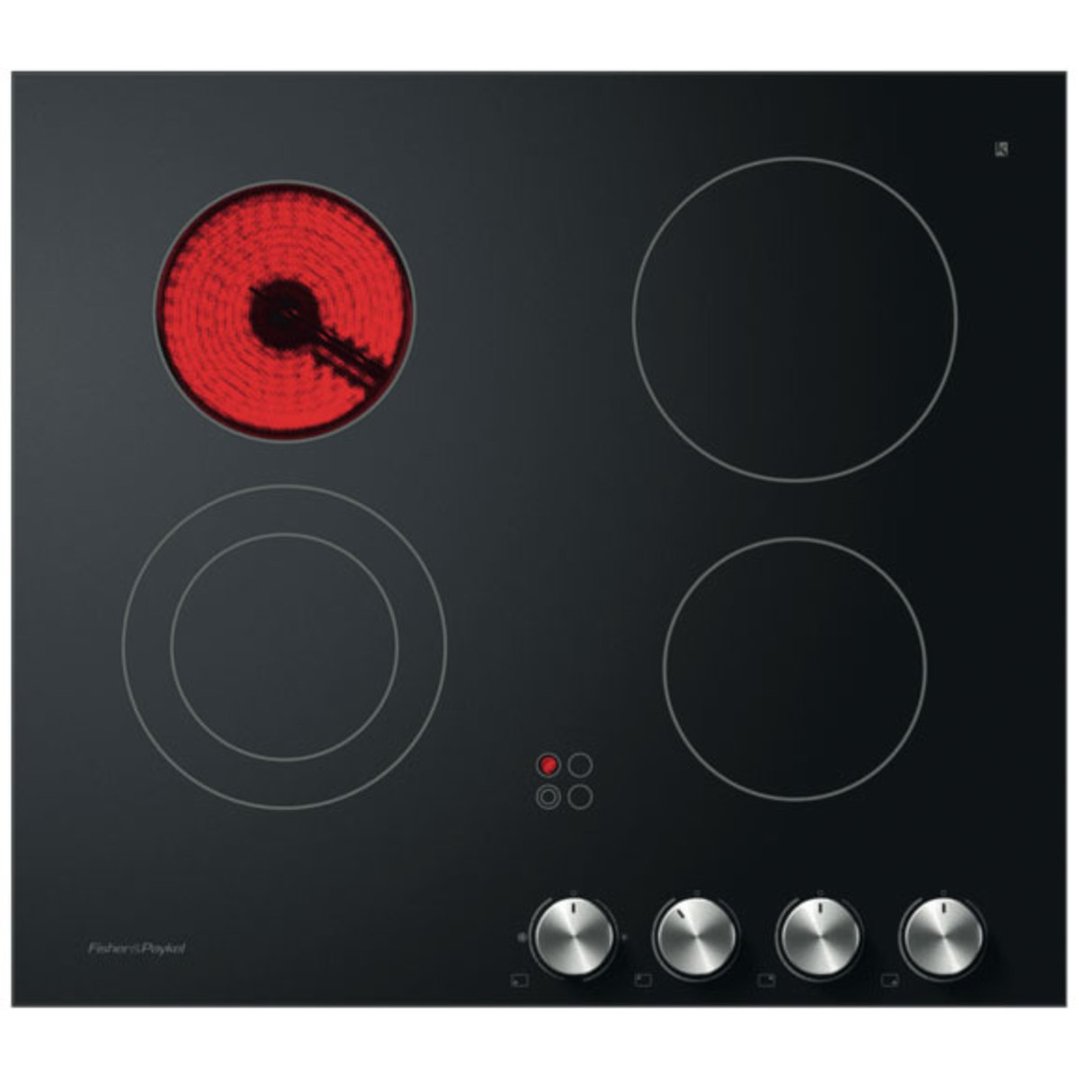

For those who value simplicity, design clarity and everyday ease, the ceramic cooktop offers a smart and stylish cooking solution. Also known as ceramic stove tops or ceramic range tops, these cooktops occupy a practical middle ground in the cooktop market - more affordable than induction, cleaner-looking than exposed coil electric, and compatible with all cookware types. The smooth toughened glass surface conceals radiant electric elements underneath, giving you a flat, easy-to-clean cooking surface with clearly marked zones and straightforward controls. They're a sensible choice for households that want a minimal-looking cooktop without needing to audit their existing pots and pans for magnetic compatibility. For a direct comparison between cooktop technologies, see our induction and gas cooktop pages.
How Do Ceramic Cooktops Work?
Beneath the glass surface, halogen or radiant electric elements heat the glass, which then transfers heat to the pan. Unlike induction, the surface itself gets hot - and stays hot for a period after the zone is switched off. Residual heat indicators on all quality models show when a zone is still warm enough to cause burns.
Because heat transfers through the glass rather than directly into the pan, ceramic cooktops respond more slowly than induction. You're adjusting the temperature of the glass, not the cookware directly. For most everyday cooking the difference is manageable, and modern ceramic models are considerably more responsive than older coil-element designs.
Key Features to Look For
Residual heat indicators: Essential for safety. A lit indicator shows a zone is still hot after switching off - particularly important in households with children.
Touch vs knob controls: Touch controls give a cleaner look and are easier to wipe down. Knob controls offer a more tactile feel. Both work well - it's a matter of preference.
Flexible zones: Some models include expandable or bridge zones that combine adjacent elements for larger pans or fish kettles.
Boost function: A high-power setting that temporarily increases element output for faster boiling. Useful for large pots of water.
Frameless design: Sits flush with the benchtop for easier cleaning and a more integrated look.
What Cookware Works on Ceramic?
Ceramic cooktops are compatible with all cookware materials - stainless steel, cast iron, aluminium, copper and non-stick. The only requirement is a flat base. Warped or uneven pans reduce contact with the surface and lead to uneven heating. Heavy cast iron works well but should be slid rather than dragged, as it can scratch the glass.
Luxury Kitchen Appliances from the World’s Leading Brands
Explore ceramic cooktops from renowned names like Neff, Electrolux, Smeg and Fisher & Paykel - brands known for combining elegant design with dependable performance. Whether you favour European styling or modernism, our range includes options to suit every kitchen vision.
Frequently Asked Questions
Q. Is ceramic the same as induction?
No - though both use a smooth glass surface, they work differently. Ceramic uses radiant heat elements beneath the glass; induction uses electromagnetic energy transferred directly into magnetic cookware. Ceramic surfaces get hot; induction surfaces mostly don't. Induction is faster and more efficient but requires compatible cookware.
Q. Can I crack a ceramic cooktop?
The toughened glass is designed to withstand normal cooking use, including heavy cast iron. The most common causes of cracking are dropping heavy items directly onto the surface or thermal shock from placing a cold, wet pan onto a very hot zone. Avoid both situations and a ceramic cooktop will last many years.
Q. How do I clean a ceramic cooktop?
A soft cloth with a ceramic-specific cleaner or warm soapy water handles everyday spills. For stubborn marks or sugar-based spills (which can bond if left), a ceramic scraper used at a shallow angle removes them without scratching. Always allow the surface to cool before cleaning.
Q. Are ceramic cooktops being replaced by induction?
Induction has grown significantly in market share, but ceramic remains a popular, affordable option - particularly for households with existing cookware that isn't induction-compatible. It does the job reliably at a lower price point.
Browse our full cooktops range or explore induction, gas and dual fuel cooktops. Whether you’re planning a complete kitchen makeover or simply seeking the perfect replacement, our team is here to join you on the journey. Book a consultation or visit our showroom to experience our range in person and find the ideal fit for your home.