Canopy Rangehoods
Our range of Canopy Rangehoods wed the most eye-catching designs to the latest kitchen technologies. With the hood and ducting suspended above the cooking surface, the bold and distinctive aesthetic is matched by heavy-duty performance. And Signature Appliances offers the best examples of their kind, all sourced from leading brands.

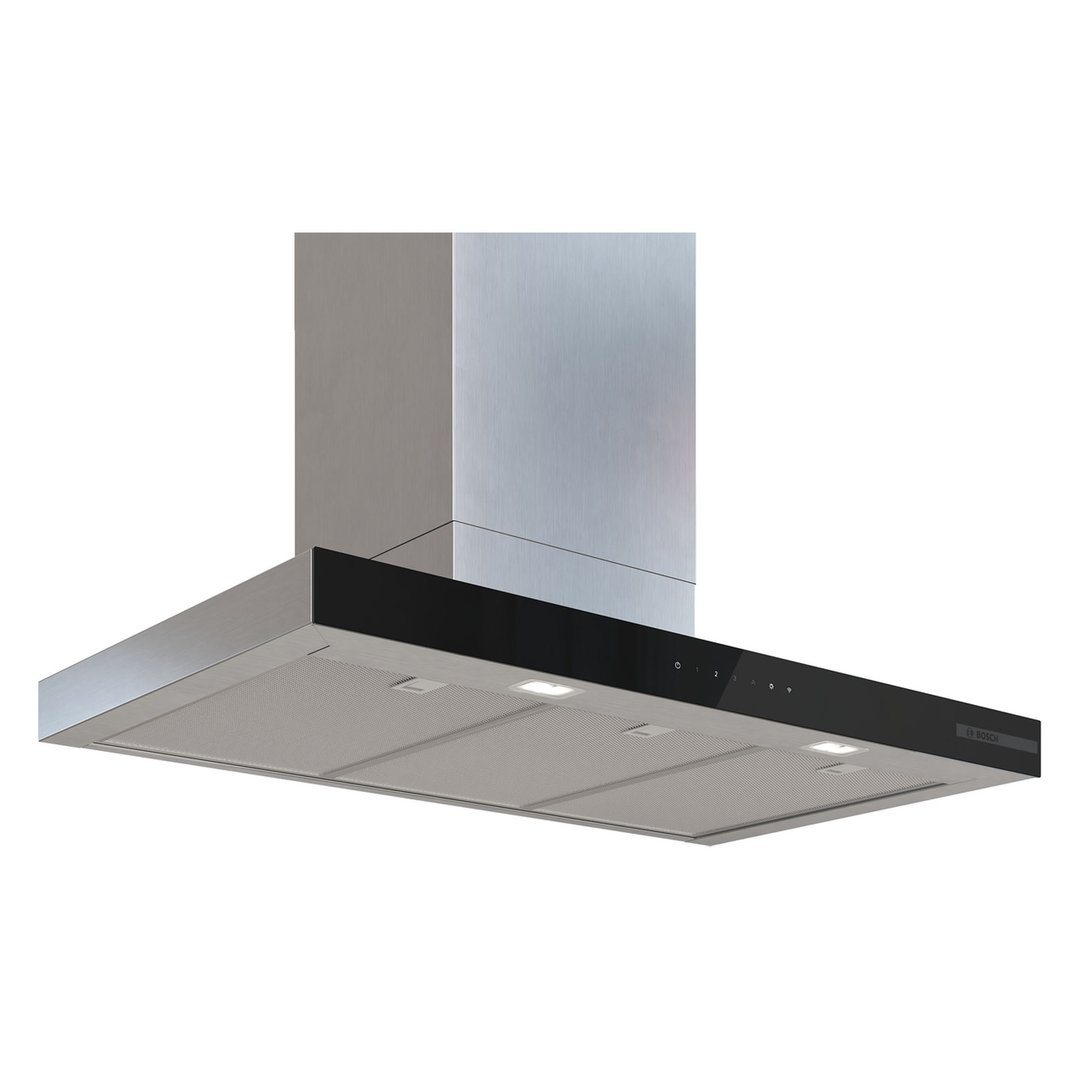



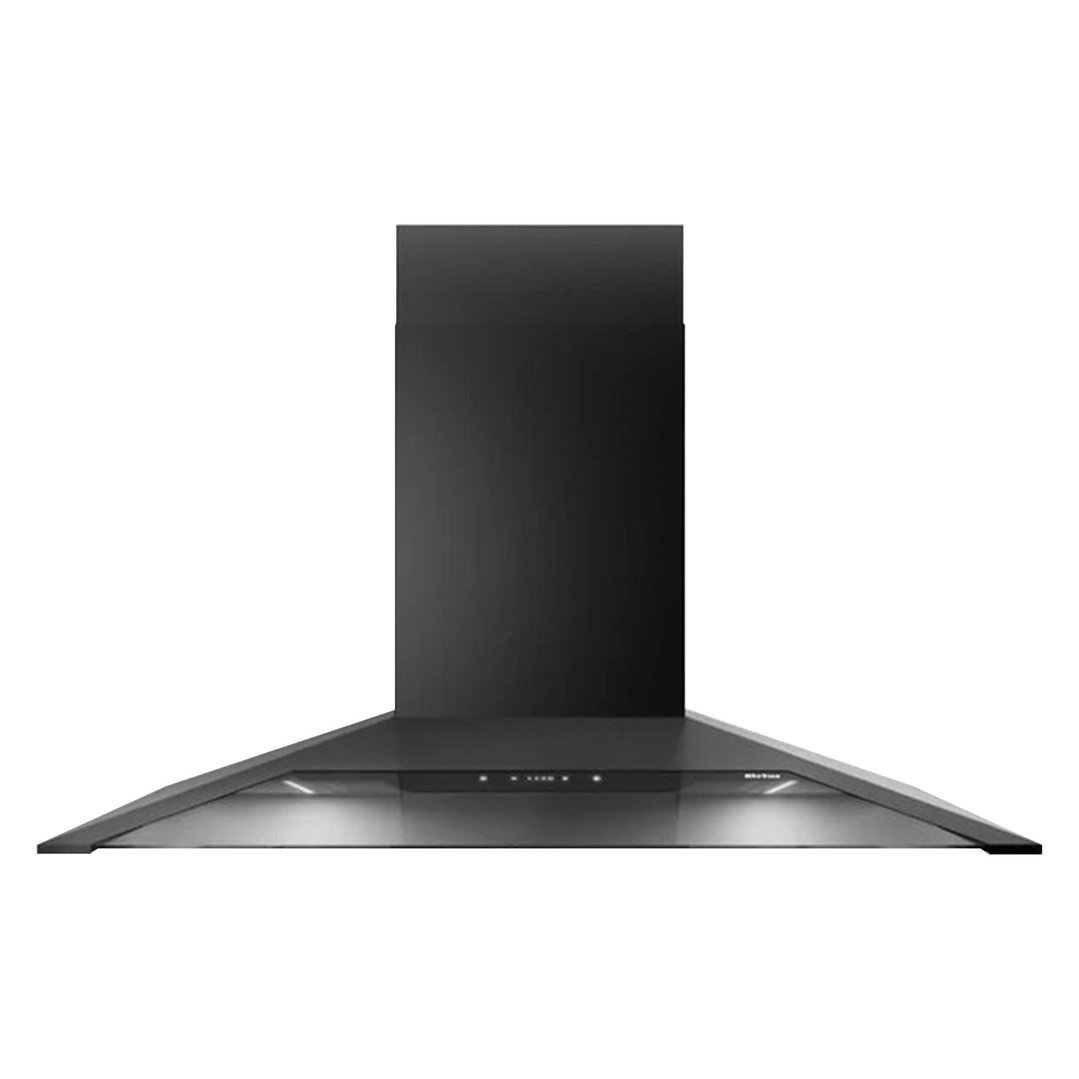

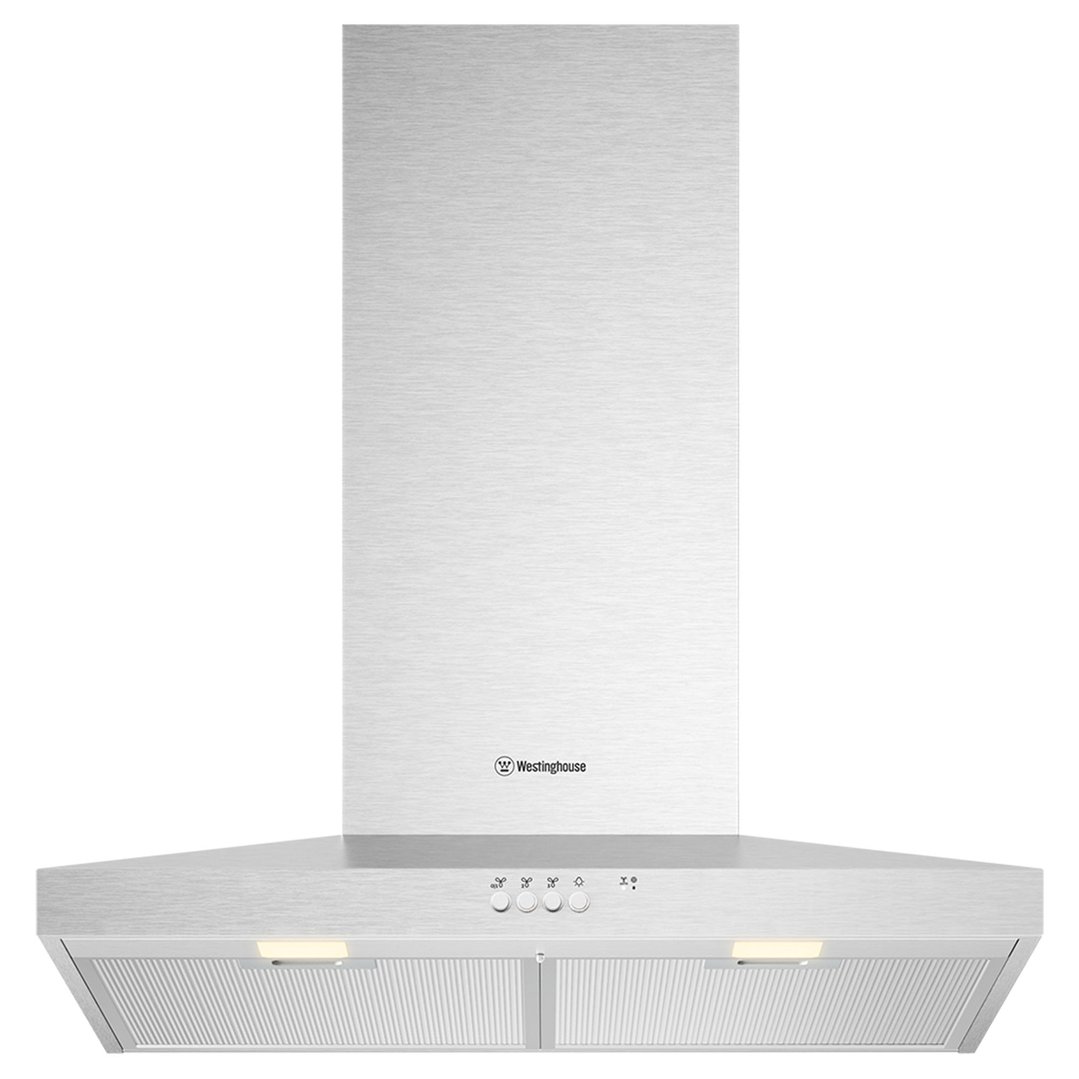


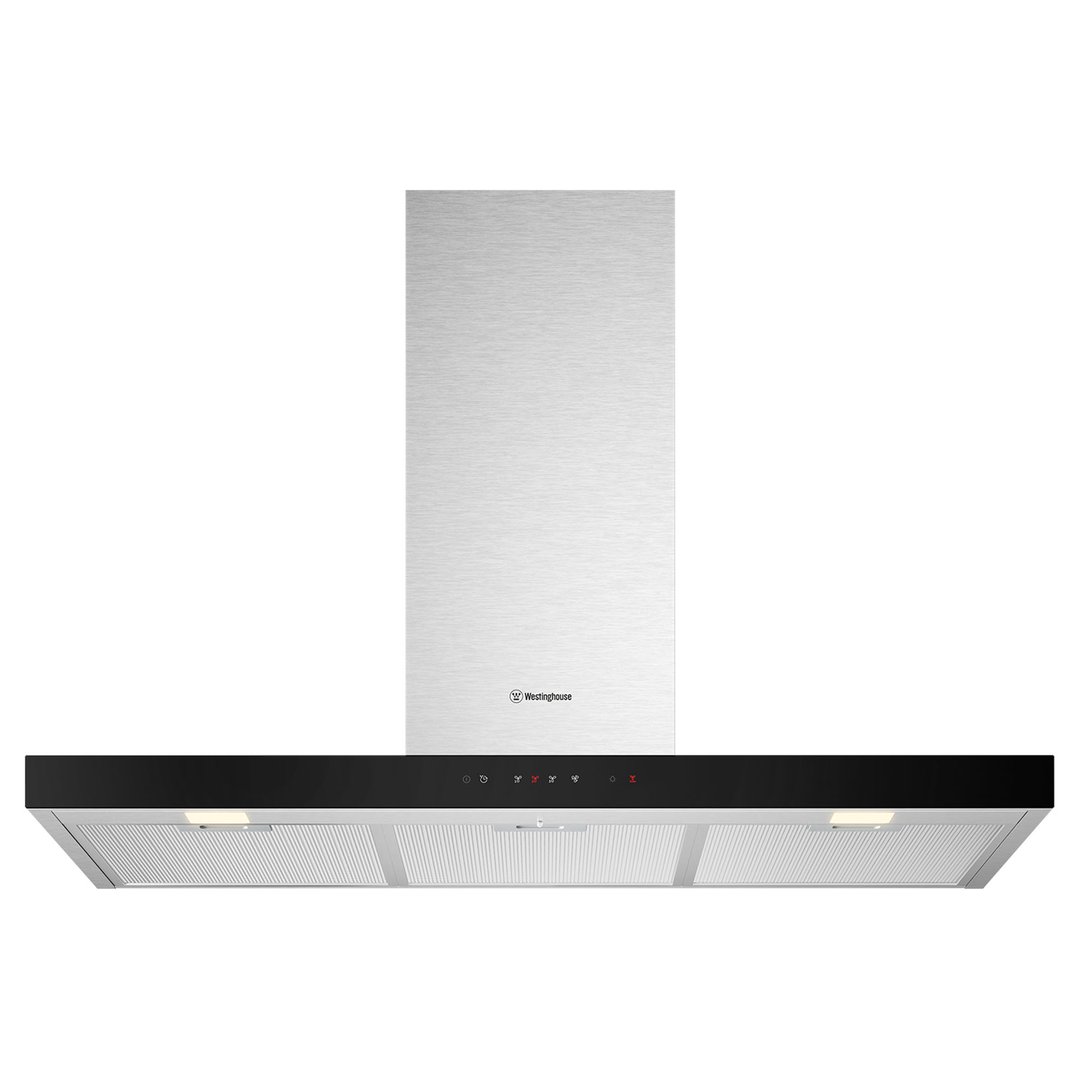

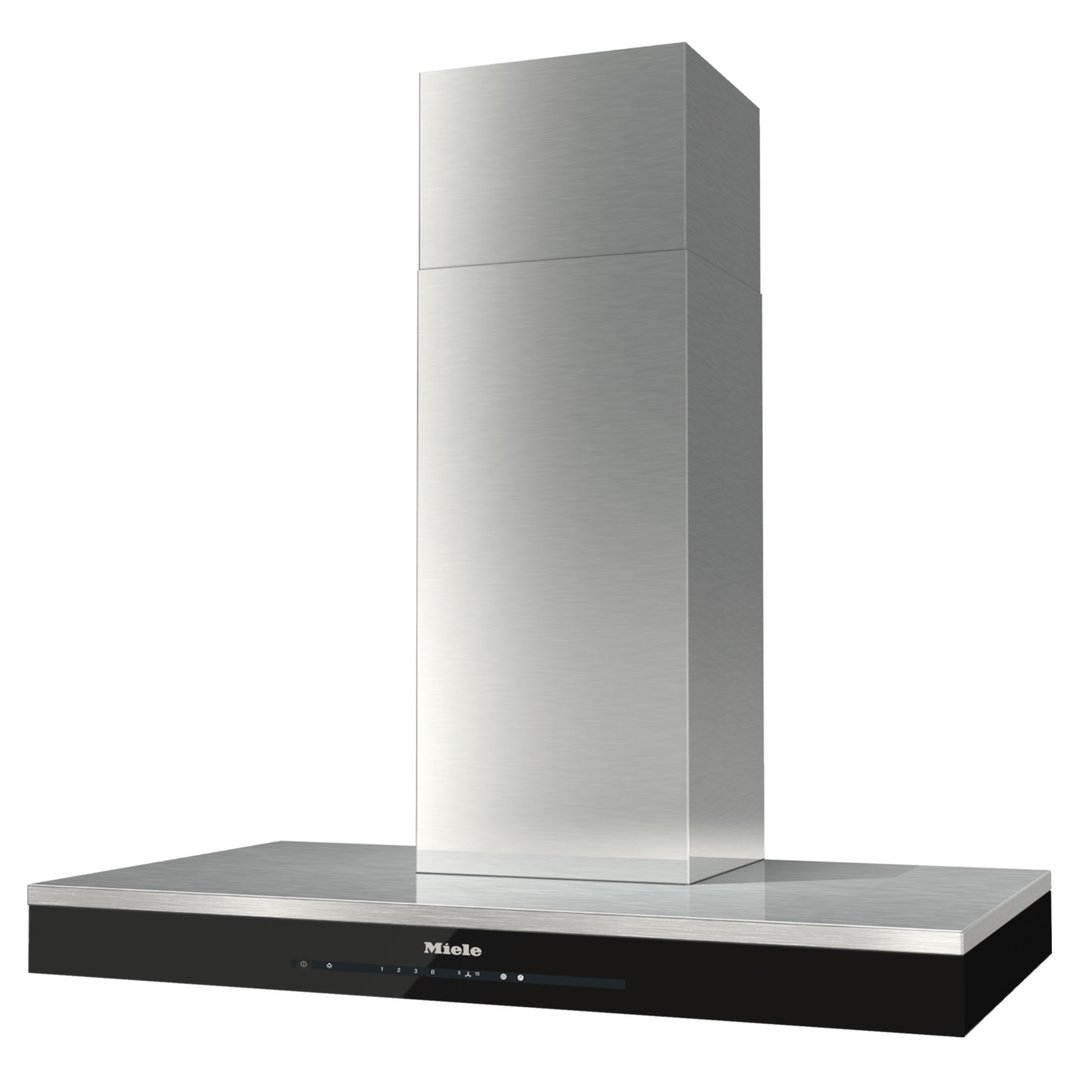


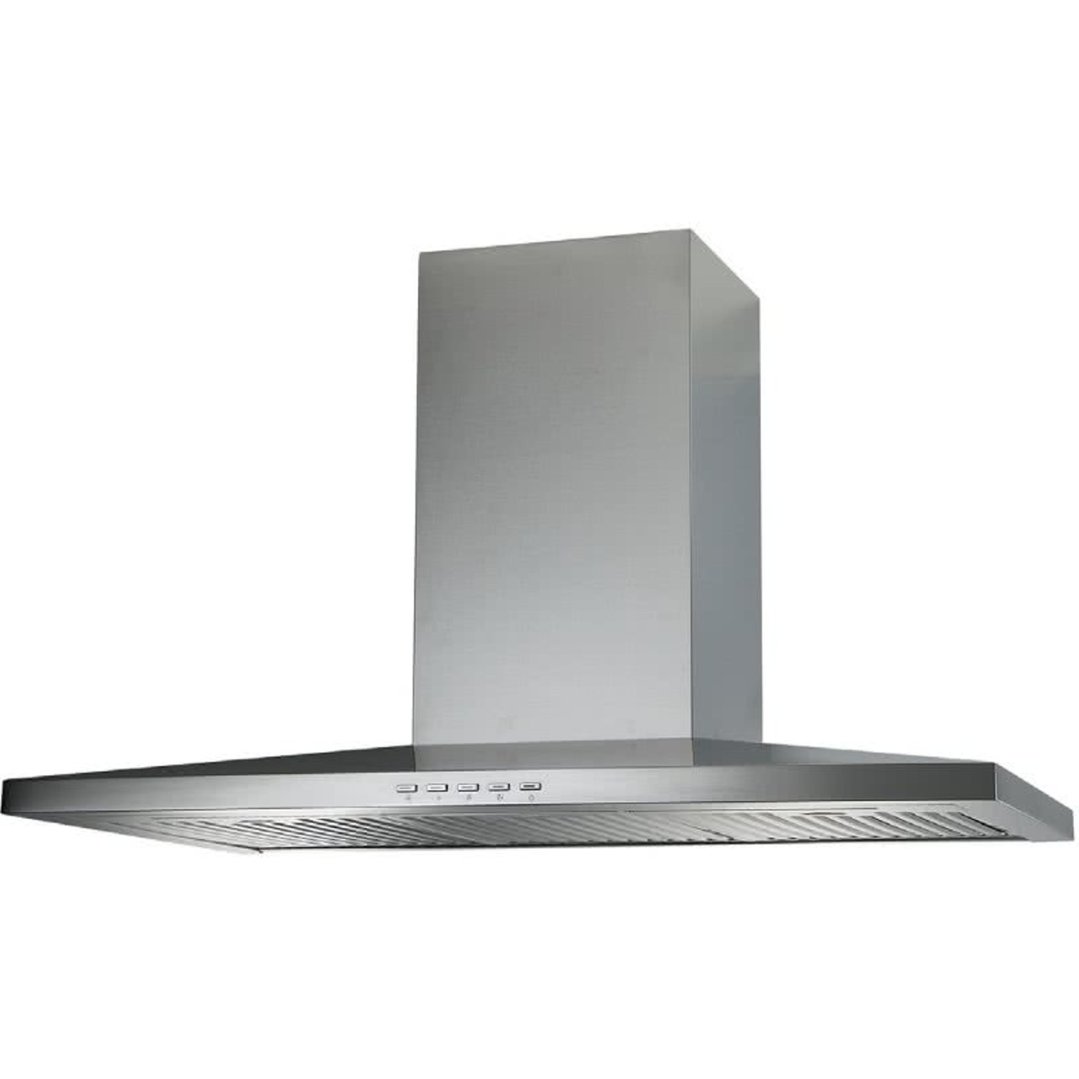
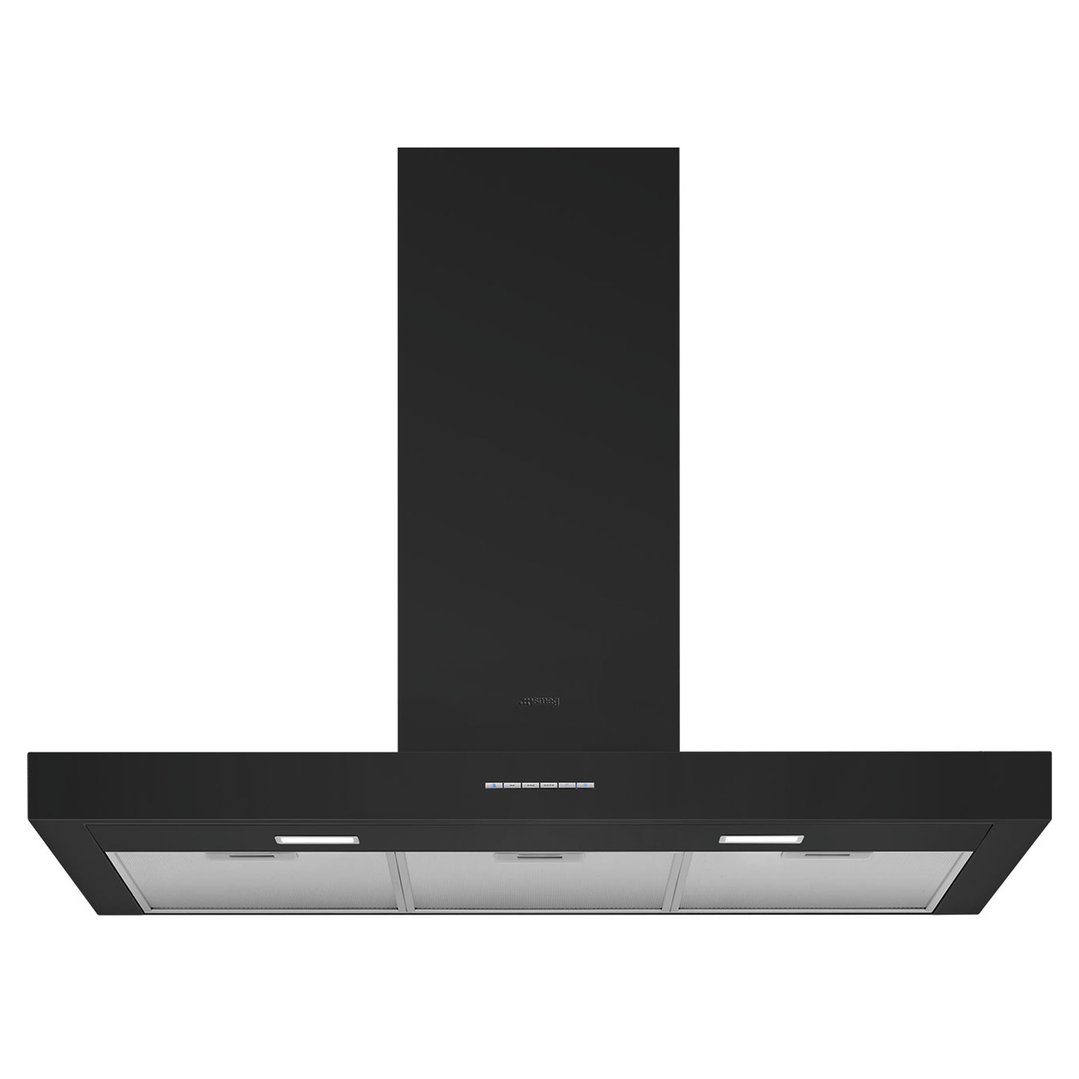

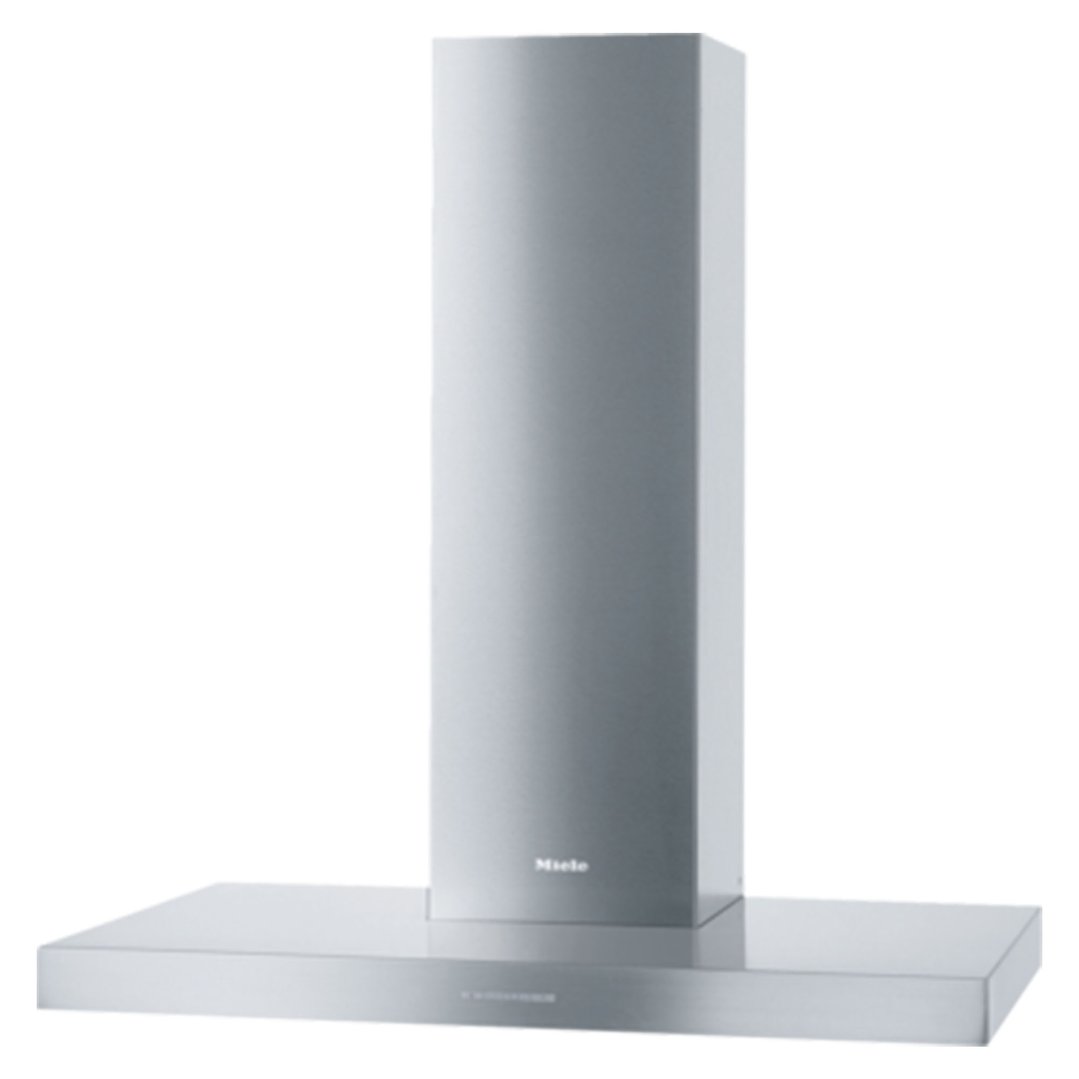
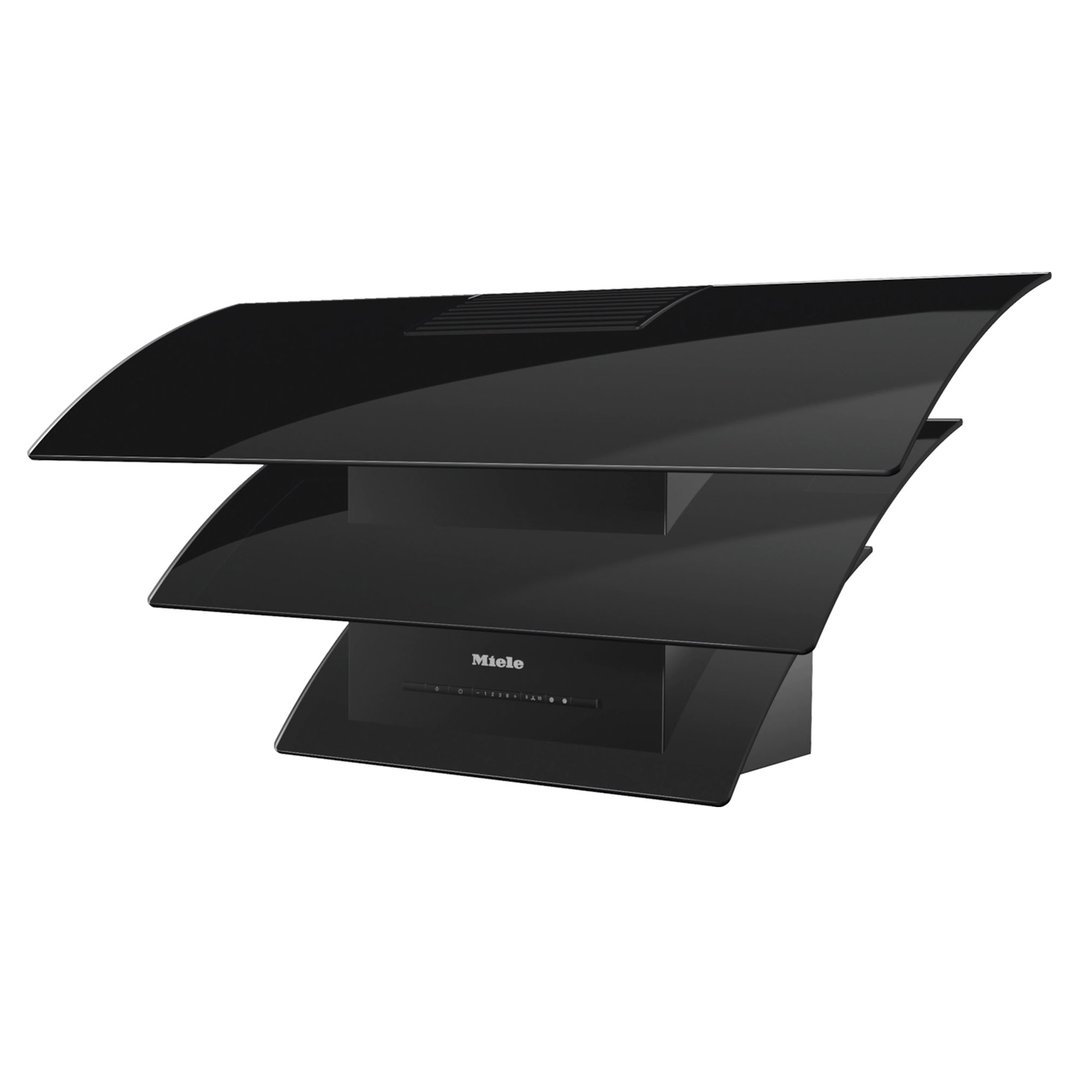
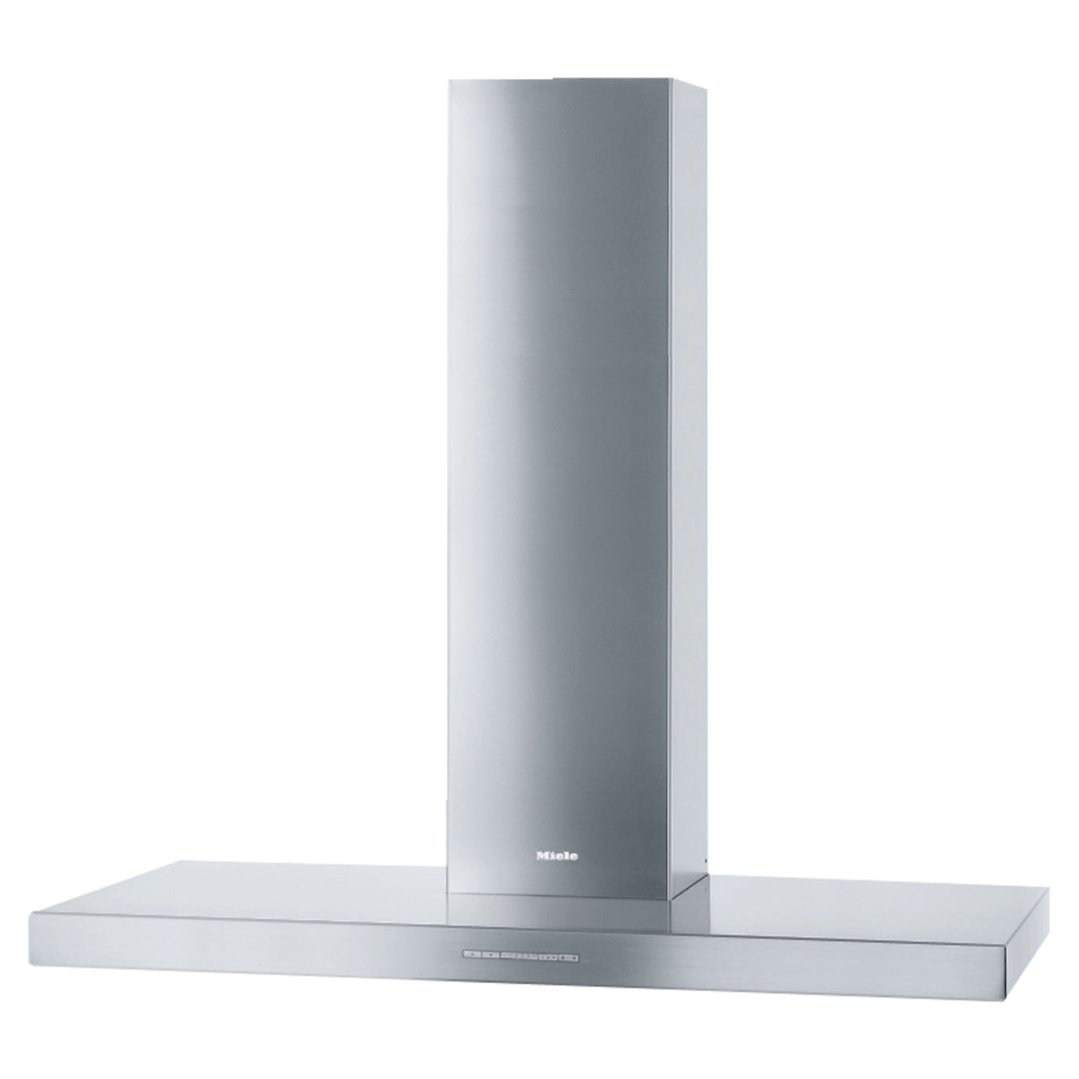

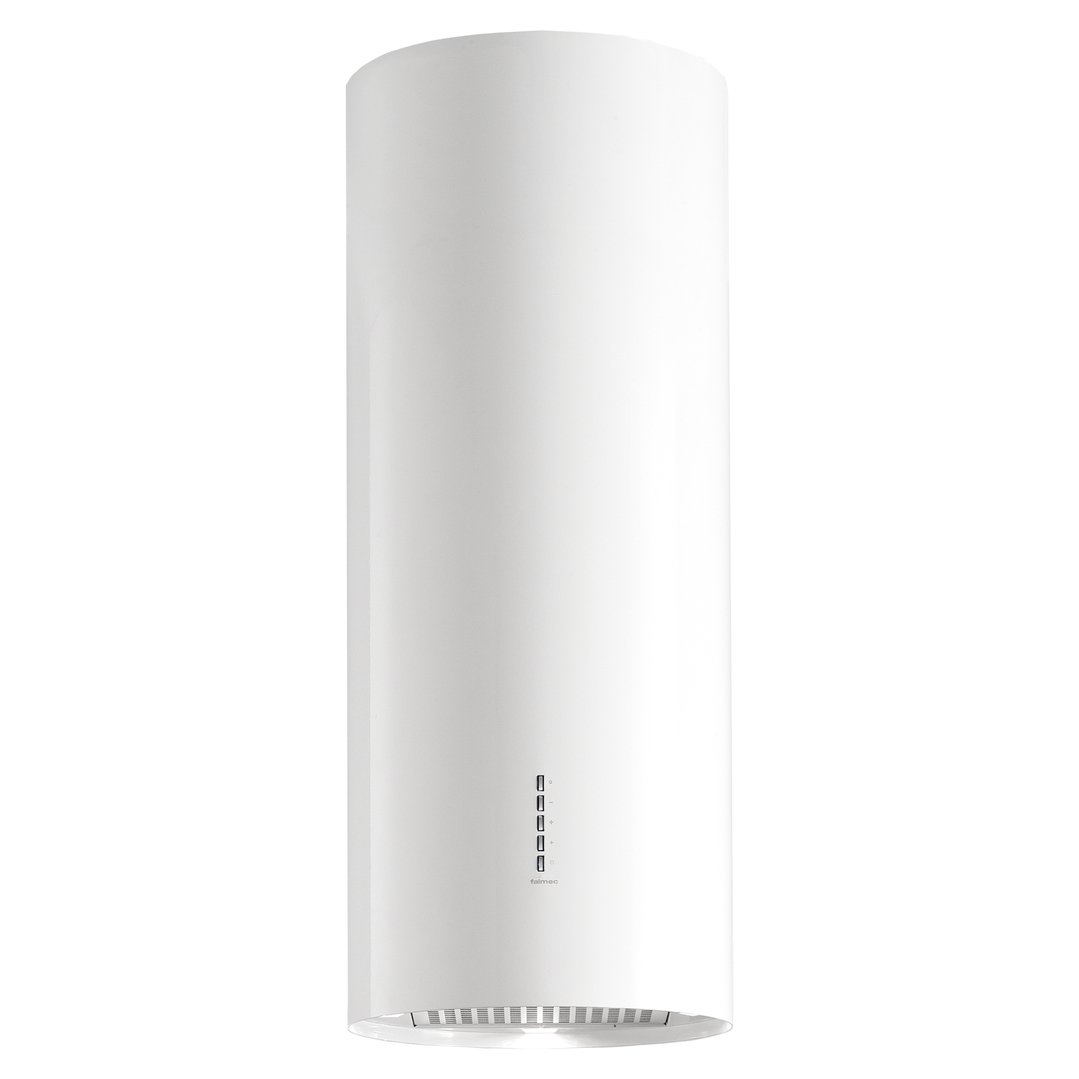
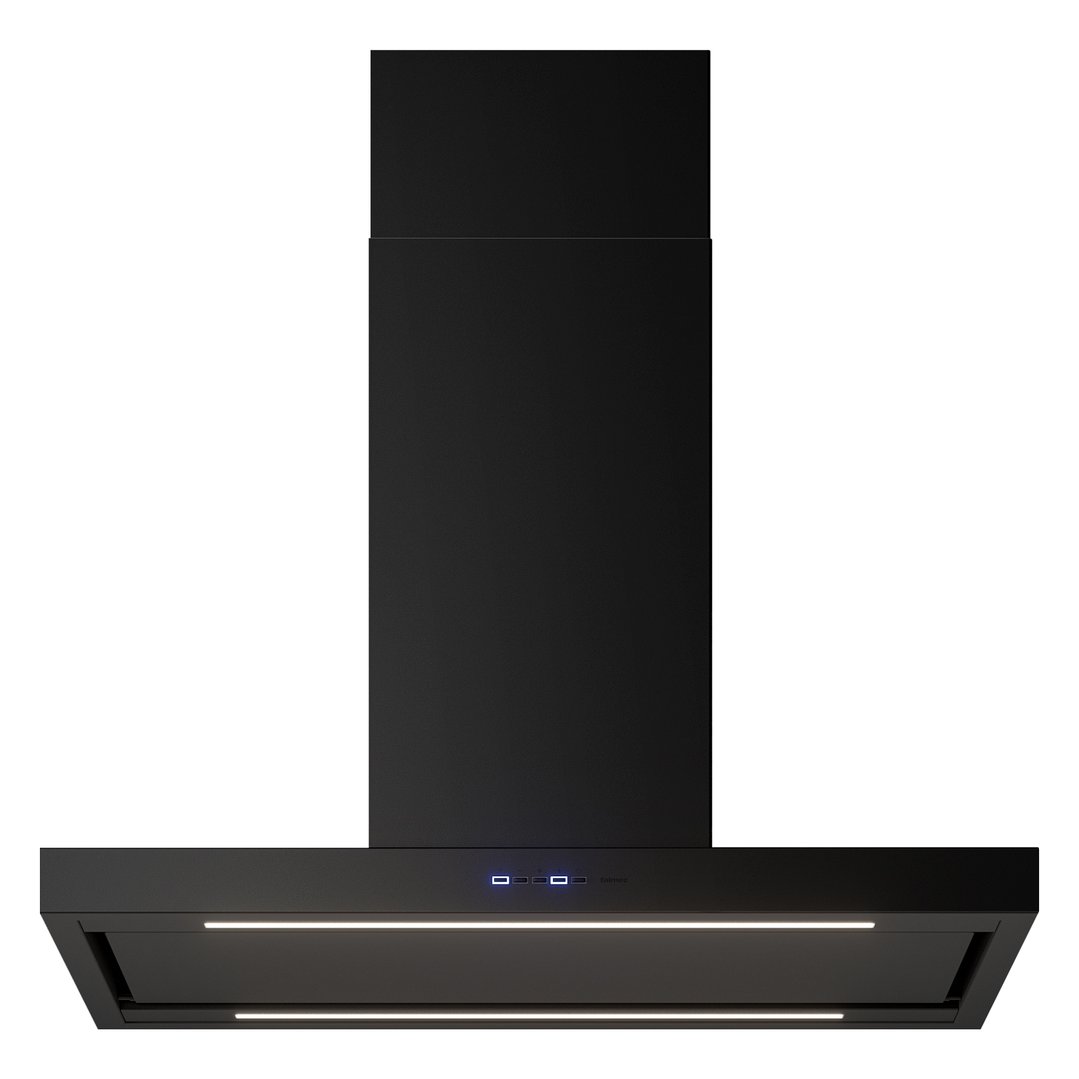
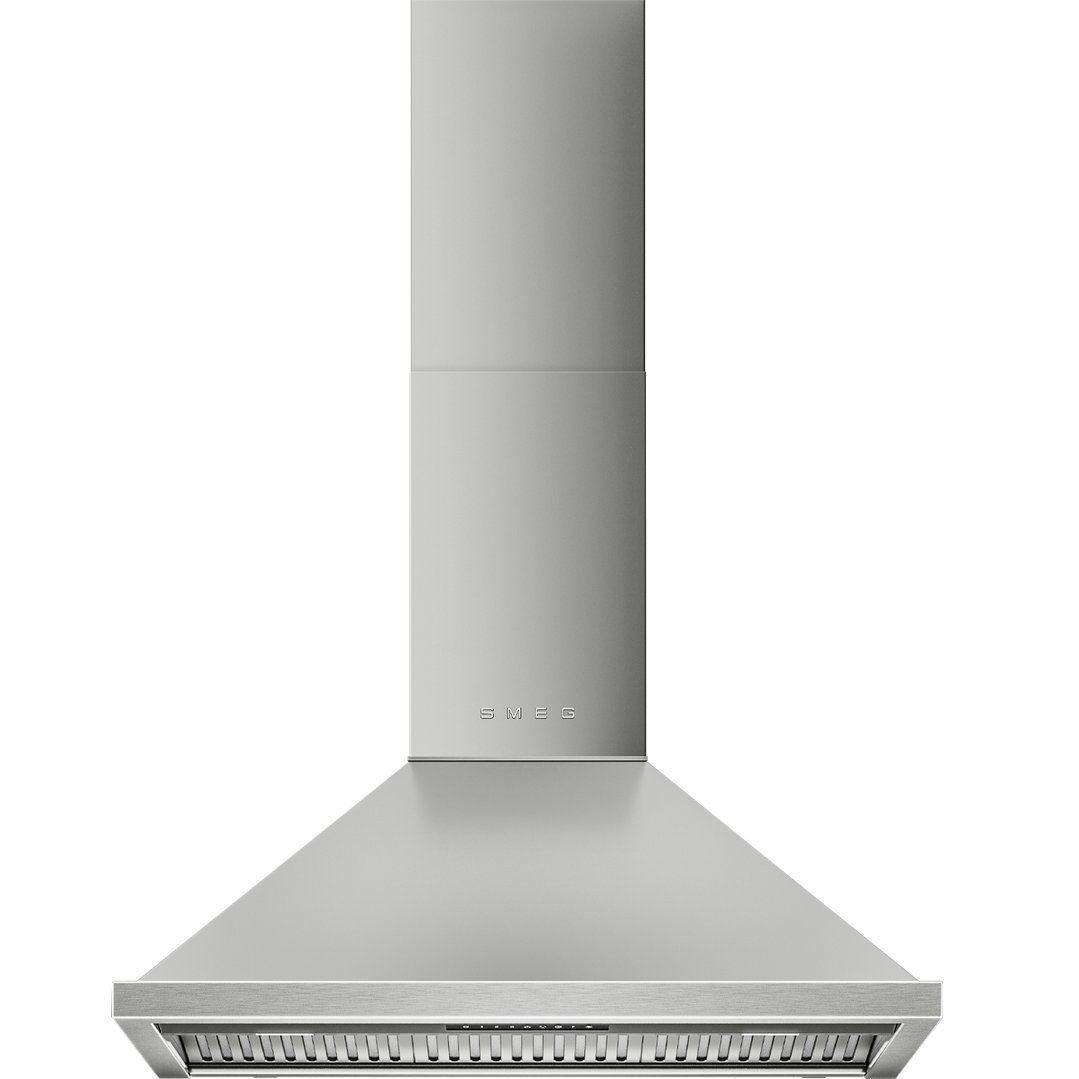
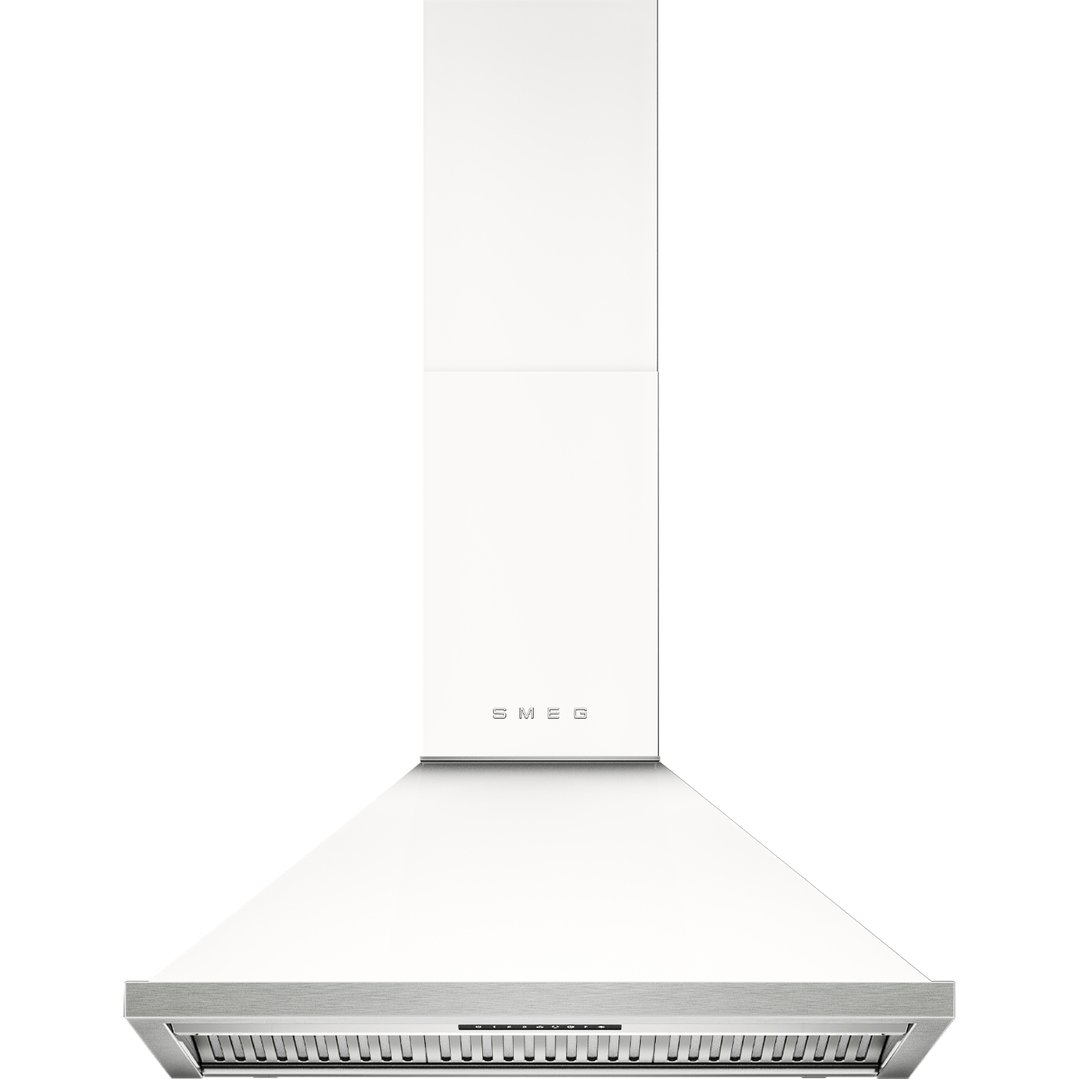
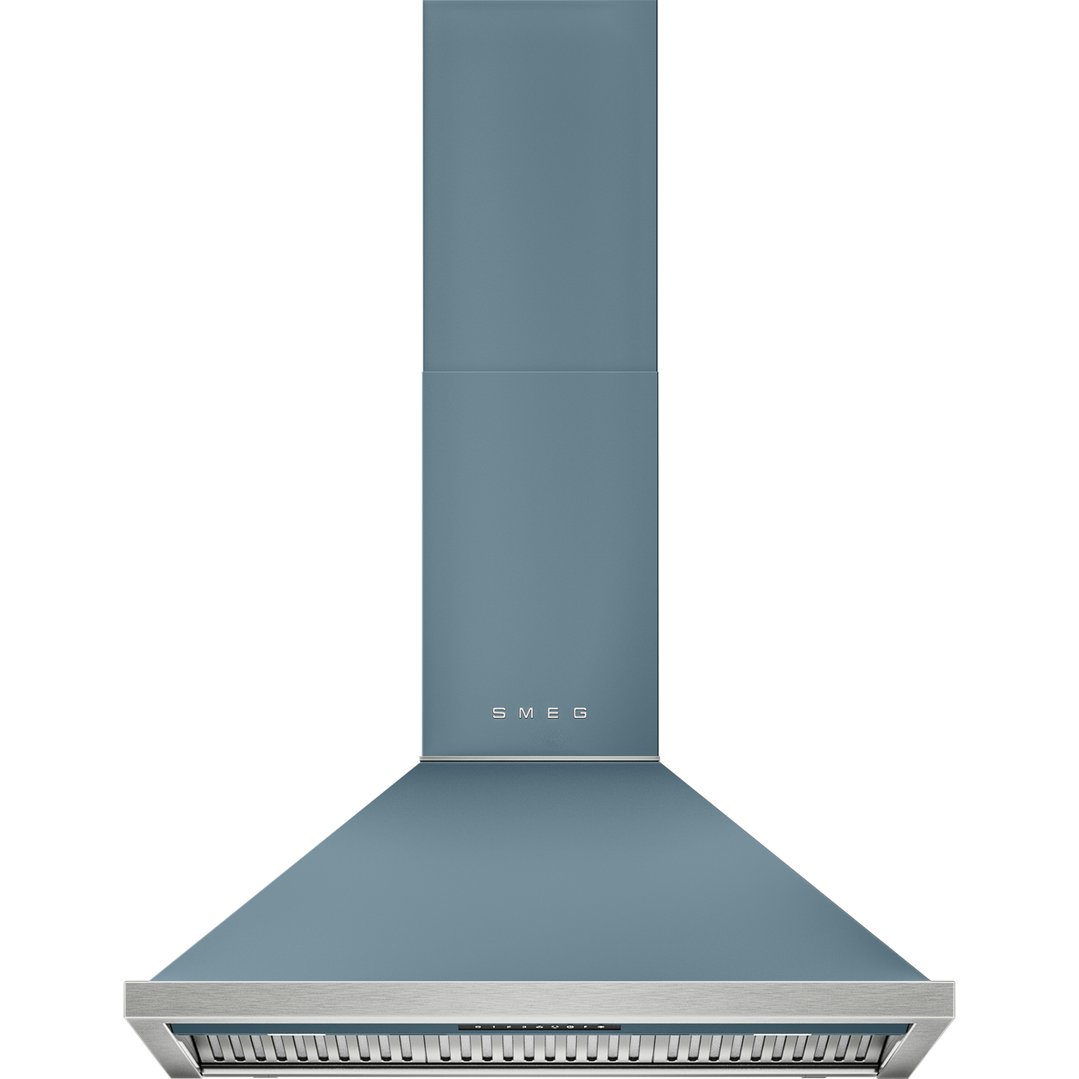
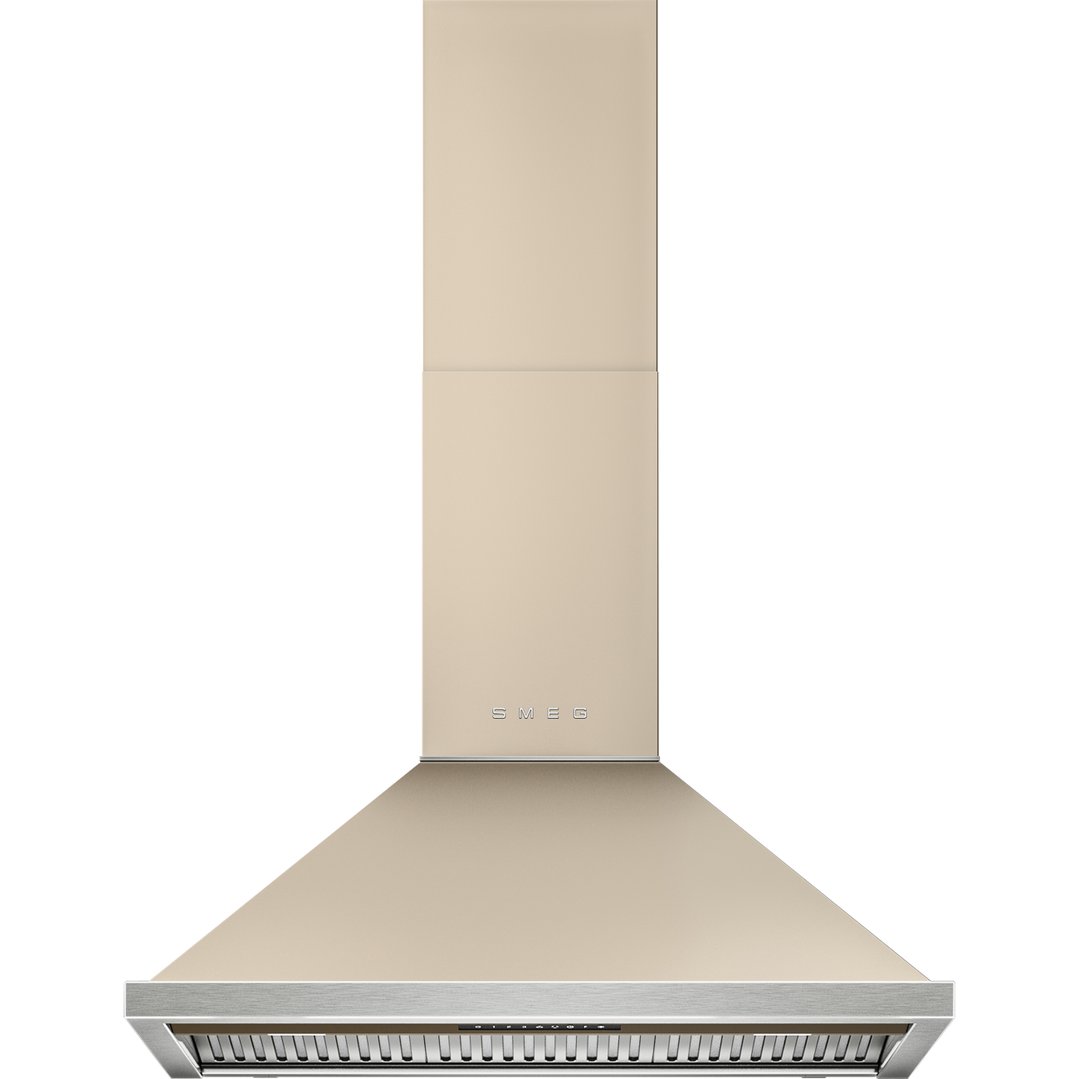
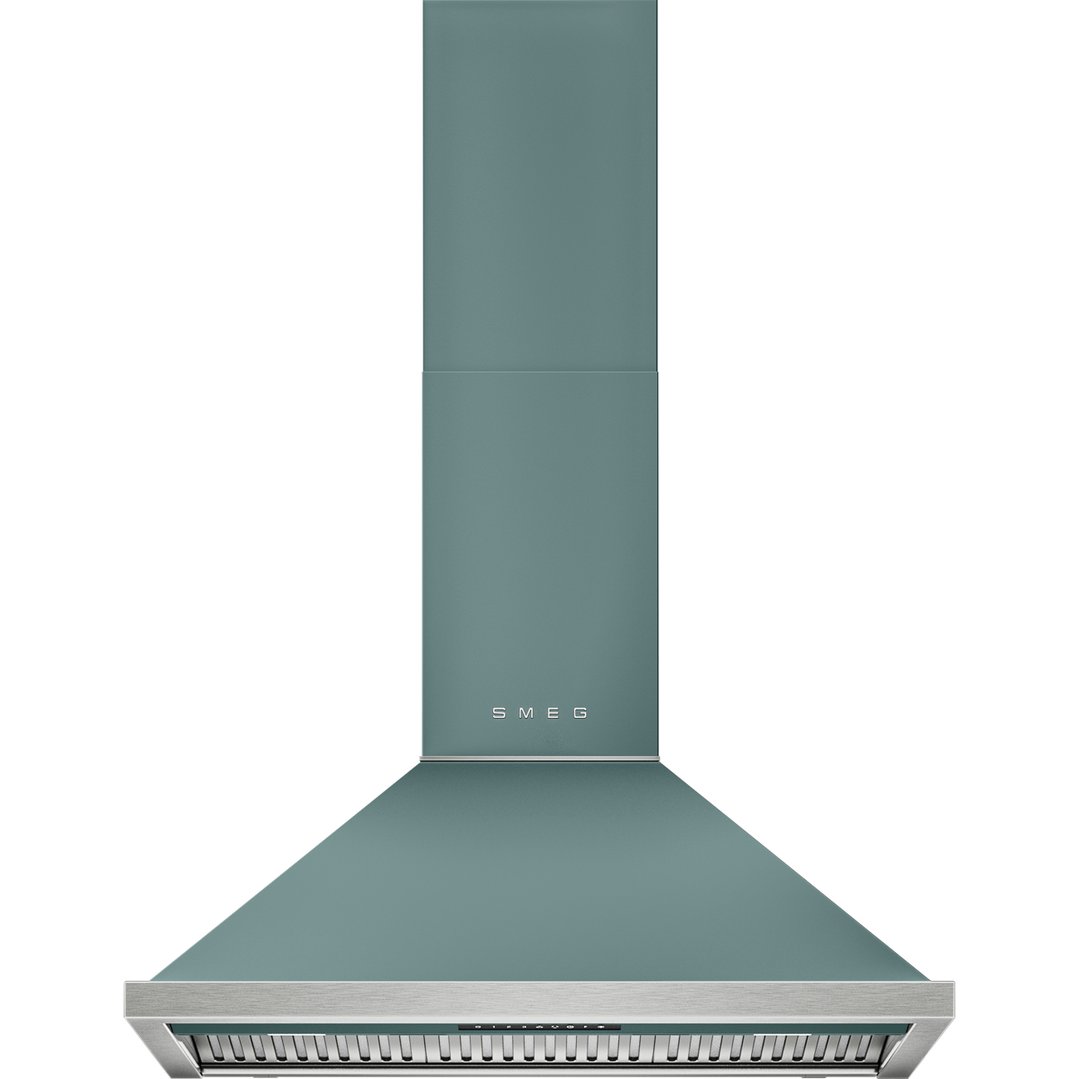
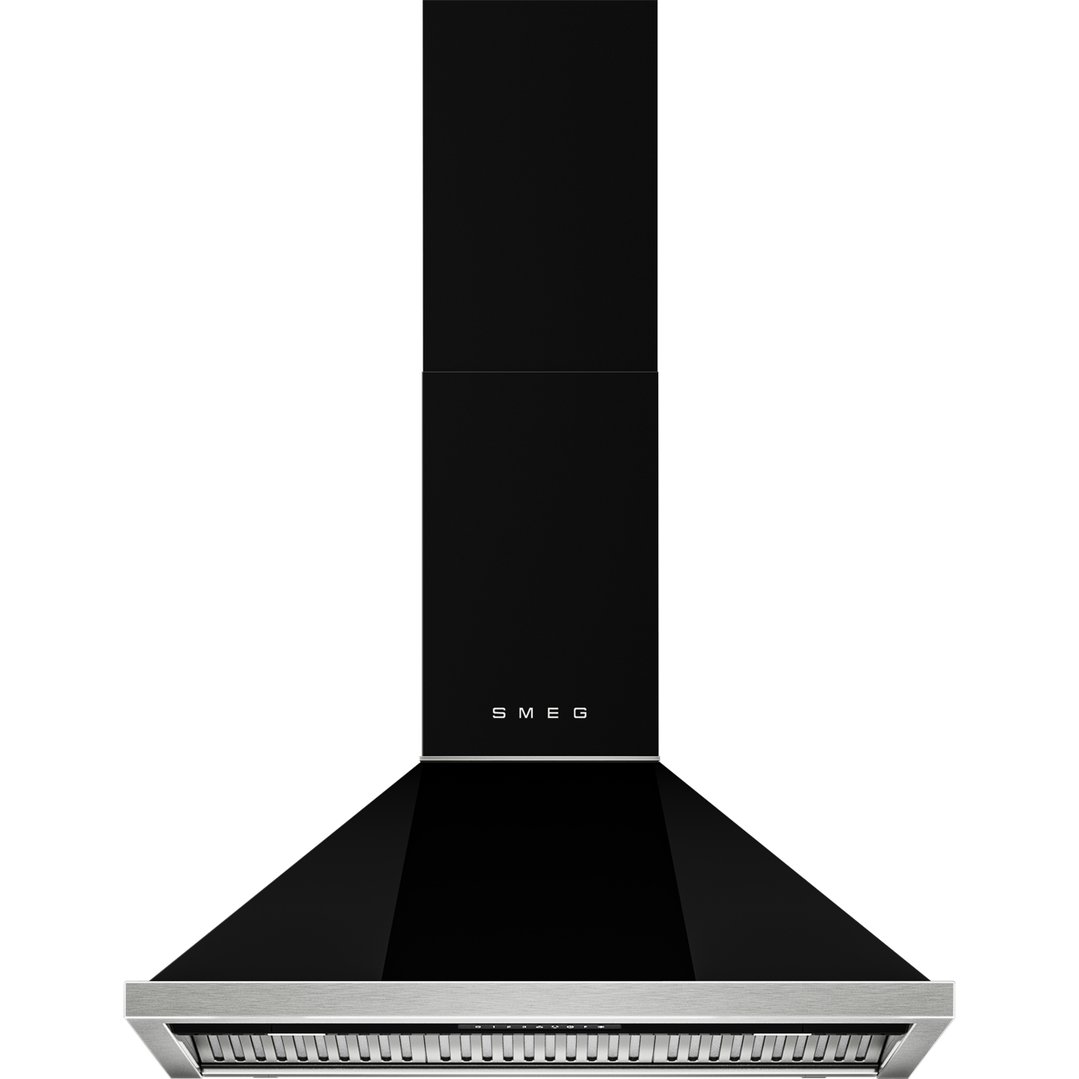
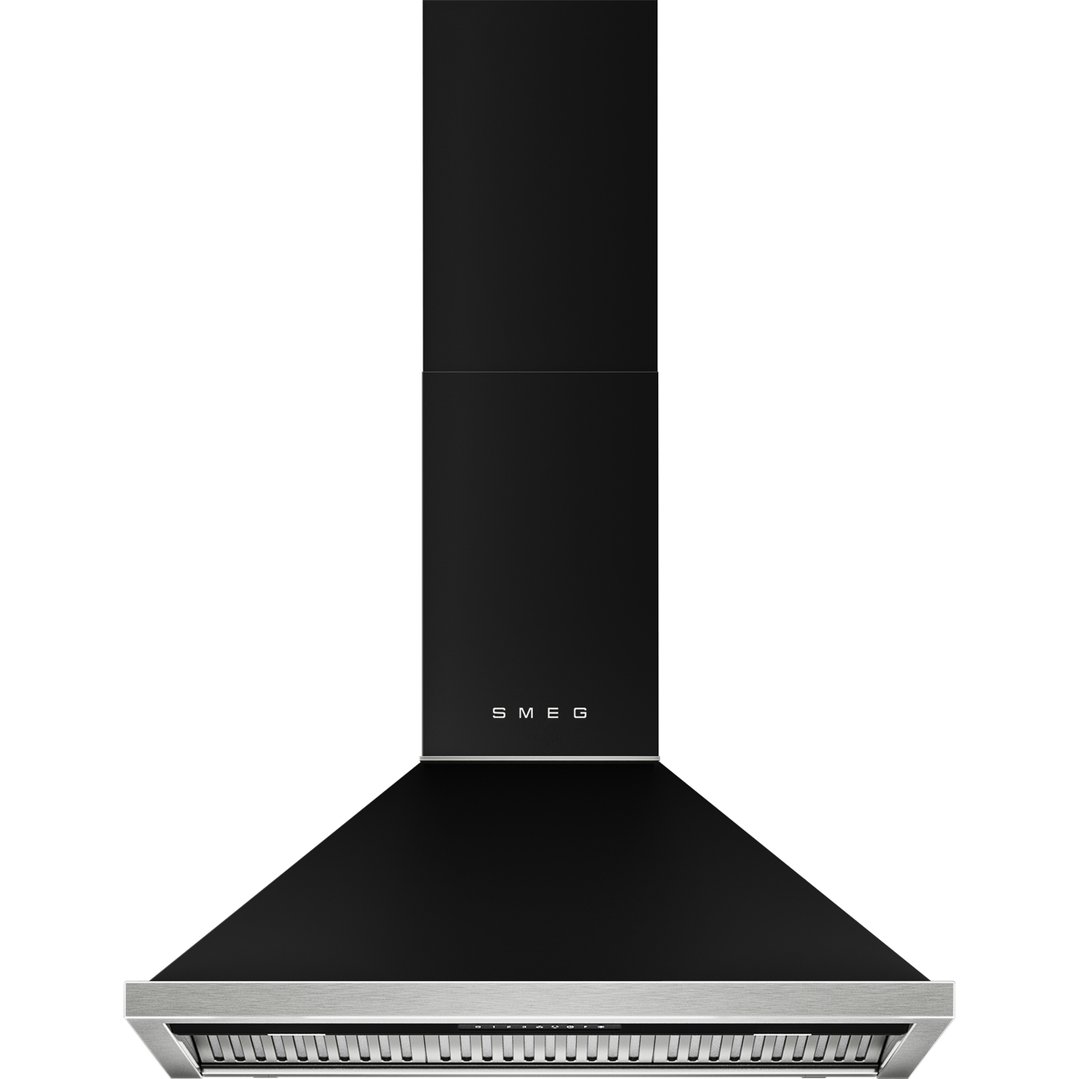
A canopy rangehood is the most visible rangehood type in a kitchen - deliberately so. Wall-mounted above the cooktop with a chimney-style body extending toward the ceiling, it's designed to be seen as well as perform. Its position directly above the cooktop gives it a natural advantage in capturing heat and vapour that rises, making it one of the most reliable formats for powerful extraction. At Signature Appliances, we offer a curated selection of premium canopy rangehoods designed for discerning home chefs, interior designers and renovators who value both performance and visual impact. Our range includes canopy rangehoods from Bosch, Fisher & Paykel and La Cornue in stainless steel, black, white and coloured finishes.
Key Features of Canopy Rangehoods
Extraction capacity: For a 60cm canopy above a gas cooktop in an average kitchen, 700-900 m3/h is a good target. Larger kitchens or 90cm cooktops benefit from 900-1200 m3/h.
Baffle filters vs mesh filters: Baffle filters (angled baffles that separate grease from air) are more effective and easier to clean - usually dishwasher-safe. Mesh filters trap grease in layers and need more frequent maintenance.
Noise level: Check both the maximum speed dB rating and the typical operating speed rating. Many high-extraction canopies are quiet at medium settings even if they get louder at full power.
LED lighting: Quality LED strips illuminate the cooktop clearly and last significantly longer than halogen alternatives.
Speed settings: More steps give better control. Some premium models include an intensive/boost mode for high-heat cooking that automatically reverts to a lower speed after 10 minutes.
Installation Notes
Canopy rangehoods need a duct connection to the outside - through the wall if the cooktop is against an exterior wall, or through the ceiling and roof if not. The chimney section covers the ducting between the hood and the ceiling. If external ducting isn't possible, most models can be converted to recirculation using a carbon filter kit. Width should match your cooktop. Standard sizes are 60cm and 90cm. Mount height above the cooktop should follow the manufacturer's specification - typically 65-75cm above electric/induction and 70-80cm above gas.
Frequently Asked Questions
Q. Does a canopy rangehood have to be wall-mounted?
Wall-mounted canopy rangehoods require a wall for mounting. If your cooktop is on an island bench, you need an island rangehood instead. Some models marketed as 'canopy' can be ceiling-mounted - check the installation specifications carefully.
Q. What's the difference between a canopy and an undermount rangehood?
A canopy rangehood is visible - it has a chimney body above the extraction hood and makes a design statement. An undermount rangehood hides inside an overhead cabinet and is invisible when not viewed directly. Canopy models are more powerful on average and better suited to kitchens without overhead cabinetry above the cooktop.
Q. Can I duct through the ceiling?
Yes - ceiling ducting is a common installation method, particularly in apartments or kitchens without an exterior wall directly behind the cooktop. The duct runs through the ceiling and roof space to exit outside. This requires a builder or licensed tradesperson to create the penetration and seal it correctly.
Q. What size canopy rangehood do I need?
Match the rangehood width to your cooktop width as a minimum - a 90cm cooktop needs a 90cm rangehood, and going slightly wider (10-15cm) improves capture of vapours that drift sideways during cooking. For extraction capacity, multiply your kitchen's volume (length x width x ceiling height in metres) by 10-15 for an enclosed kitchen or 15-20 for open-plan, and look for a model that meets or exceeds that figure in m3/h. Most Australian home kitchens land comfortably in the 600-900 m3/h range for a standard 60cm cooktop, with larger or open-plan kitchens pushing toward 900-1200 m3/h.
Q. Are canopy rangehoods noisy?
At maximum speed, most canopy rangehoods operate between 65-70dB, which is noticeable - but most day-to-day cooking happens at medium speed, where quality models from brands like Bosch, Miele and Fisher & Paykel typically sit between 45-55dB, comparable to a quiet conversation. The noise level at medium speed is the more relevant figure to check when comparing models, since maximum is really a short-burst setting for high-heat cooking rather than something you'd run continuously.
Compare with undermount rangehoods, island rangehoods and slideout rangehoods or browse our rangehood accessories for replacement filters. Whether you’re planning a complete kitchen makeover or simply seeking the perfect replacement, our team is here to join you on the journey. Book a consultation or visit our Signature Appliances showroom to experience our range in person and find the ideal fit for your home.