Gas Cooktops
Signature Appliances deliver on the promise of exceptional performance offered by gas cooktops. Enjoy the versatility, swift heat-ups, and efficiency so beloved by discerning chefs – paired with the stylish design choices that can complete a stunning kitchen aesthetic. Choose from a variety of configurations and styles to suit your needs and budget. With our dedication to exceptional quality, all Signature Appliances cooktops deliver staying power that’s primed for the busy home kitchen.

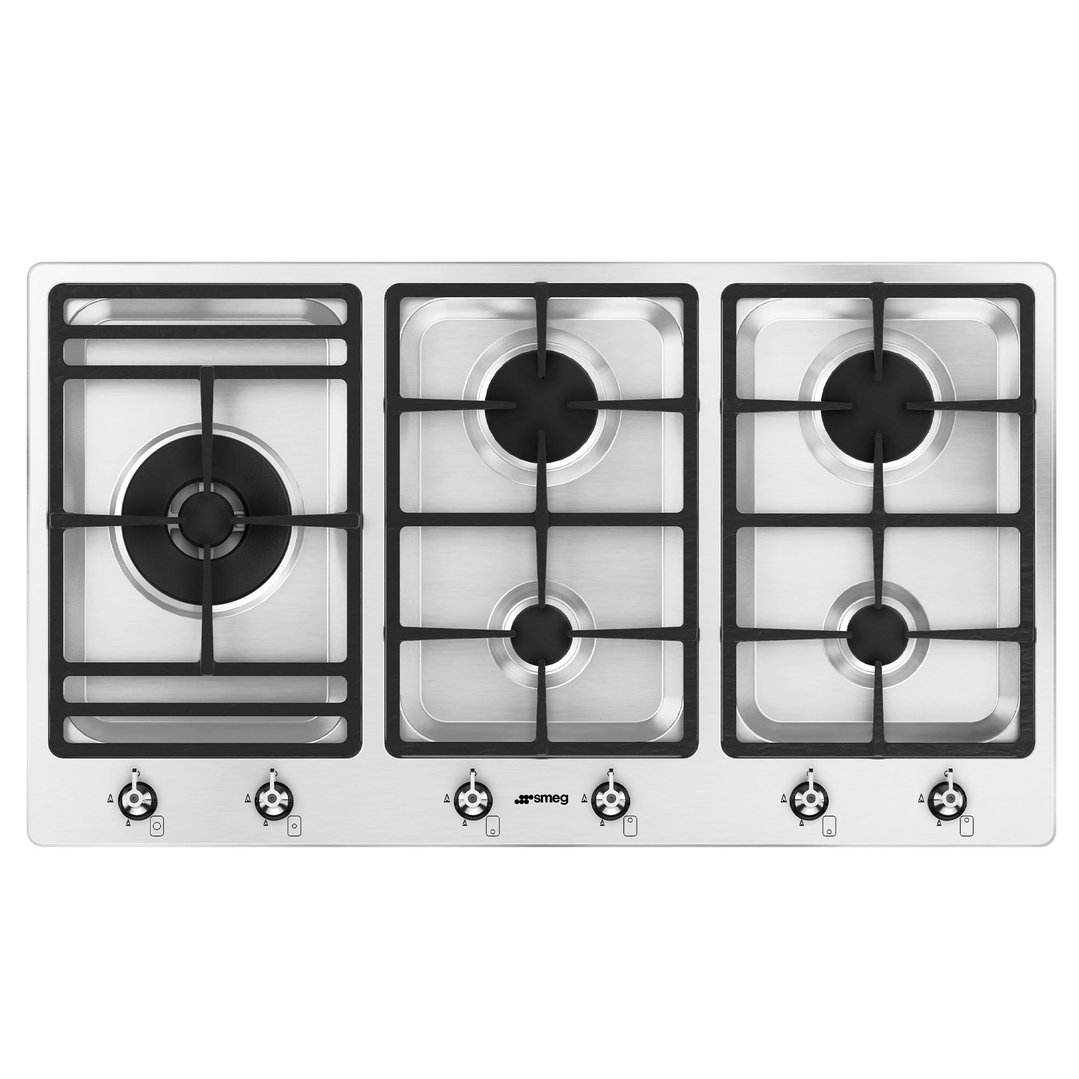

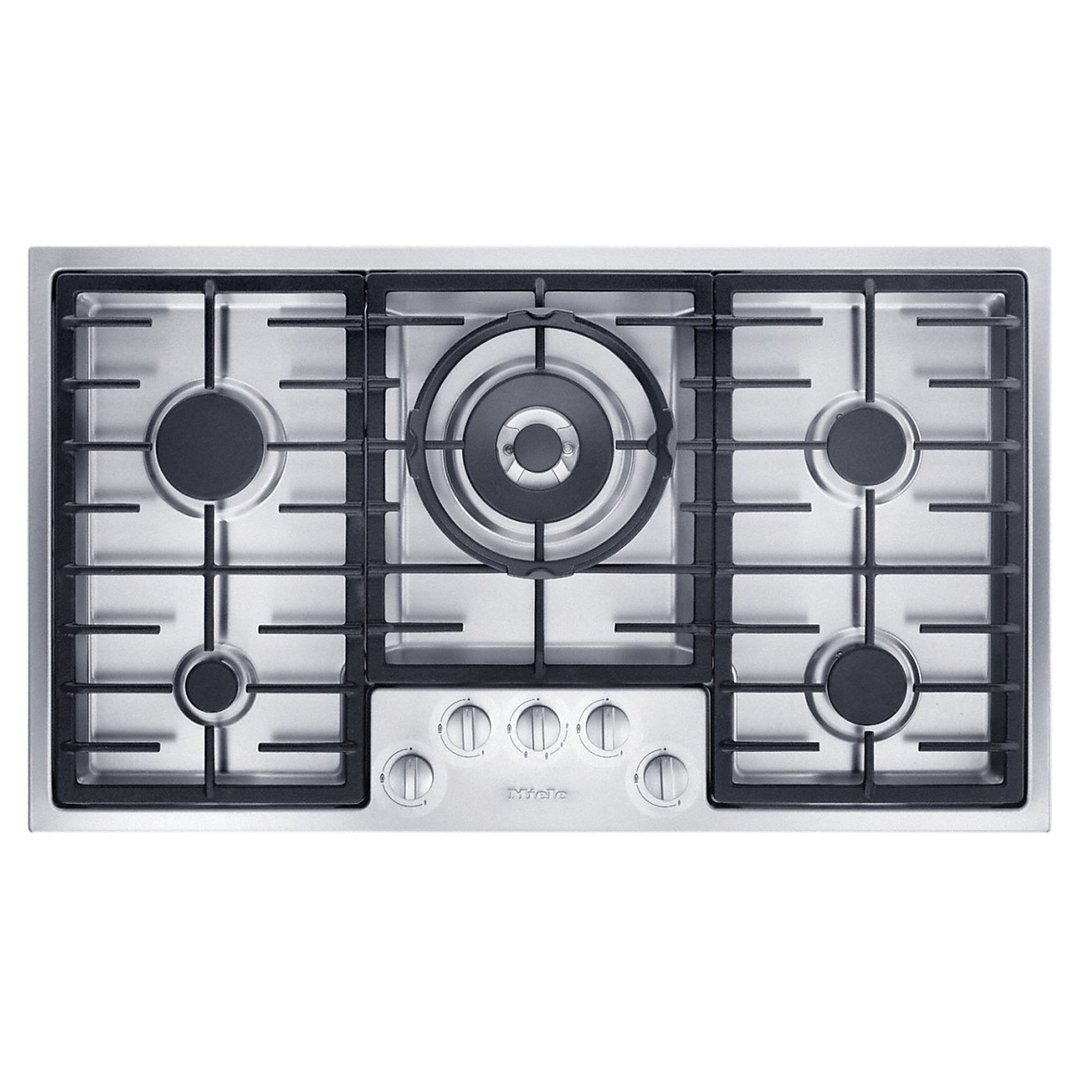


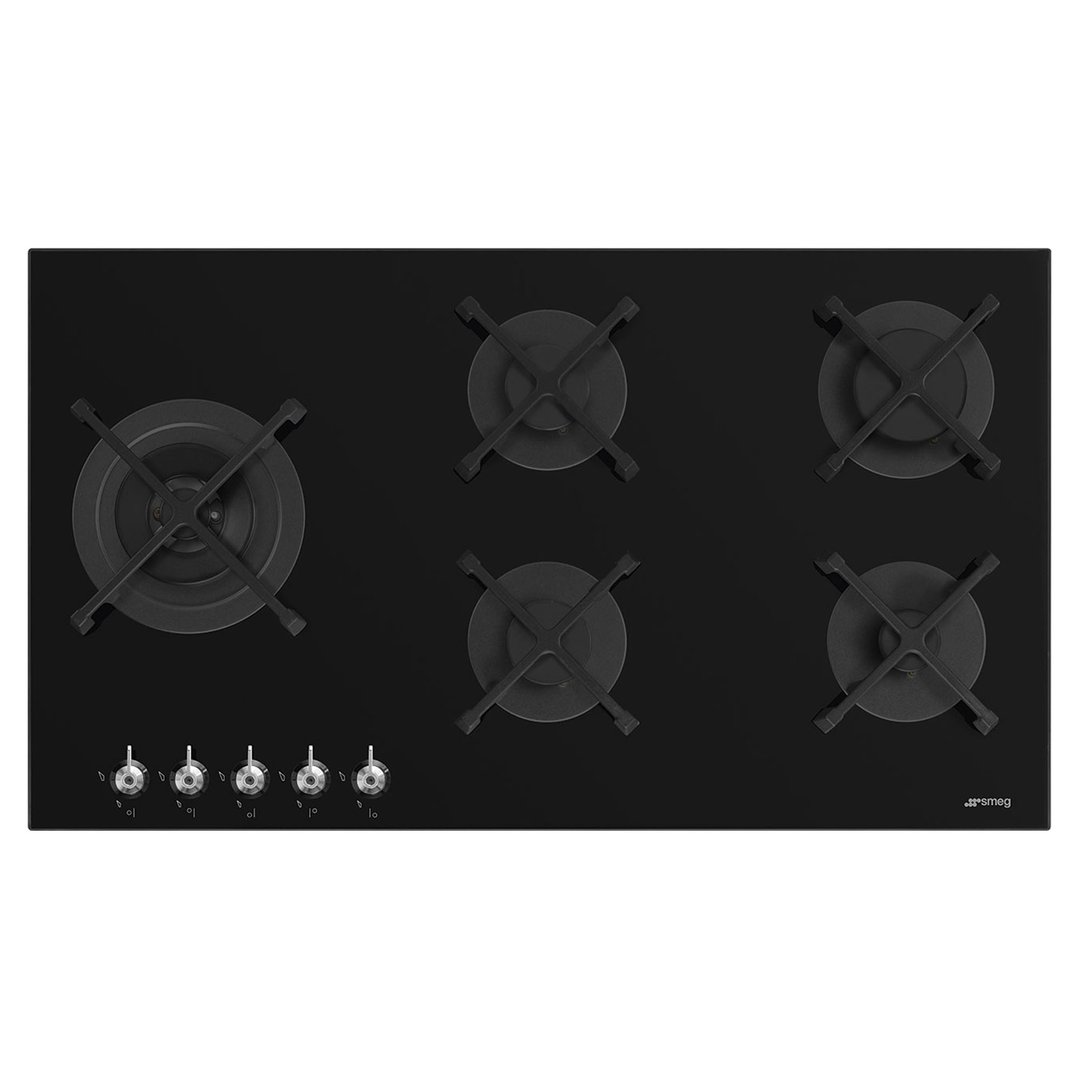

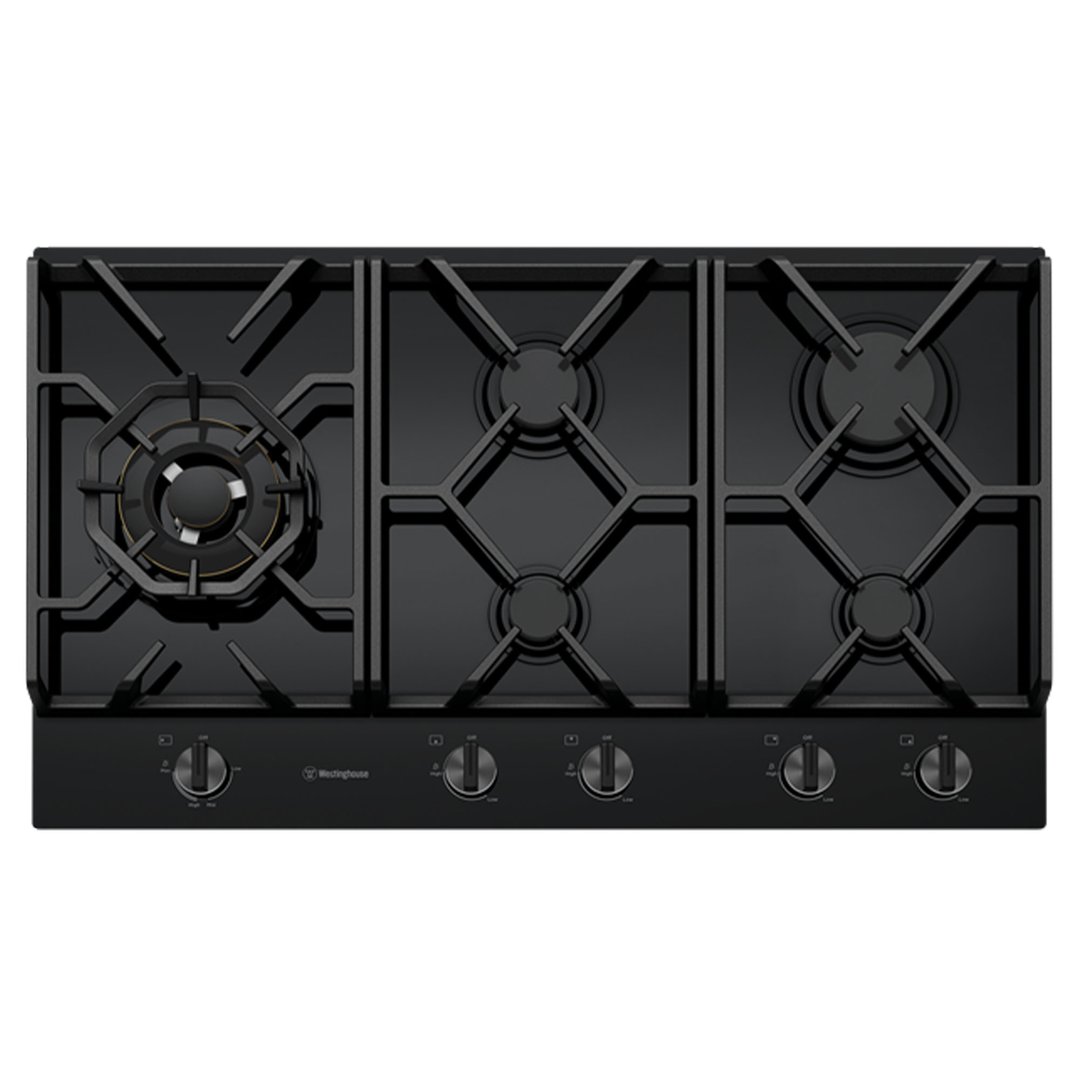

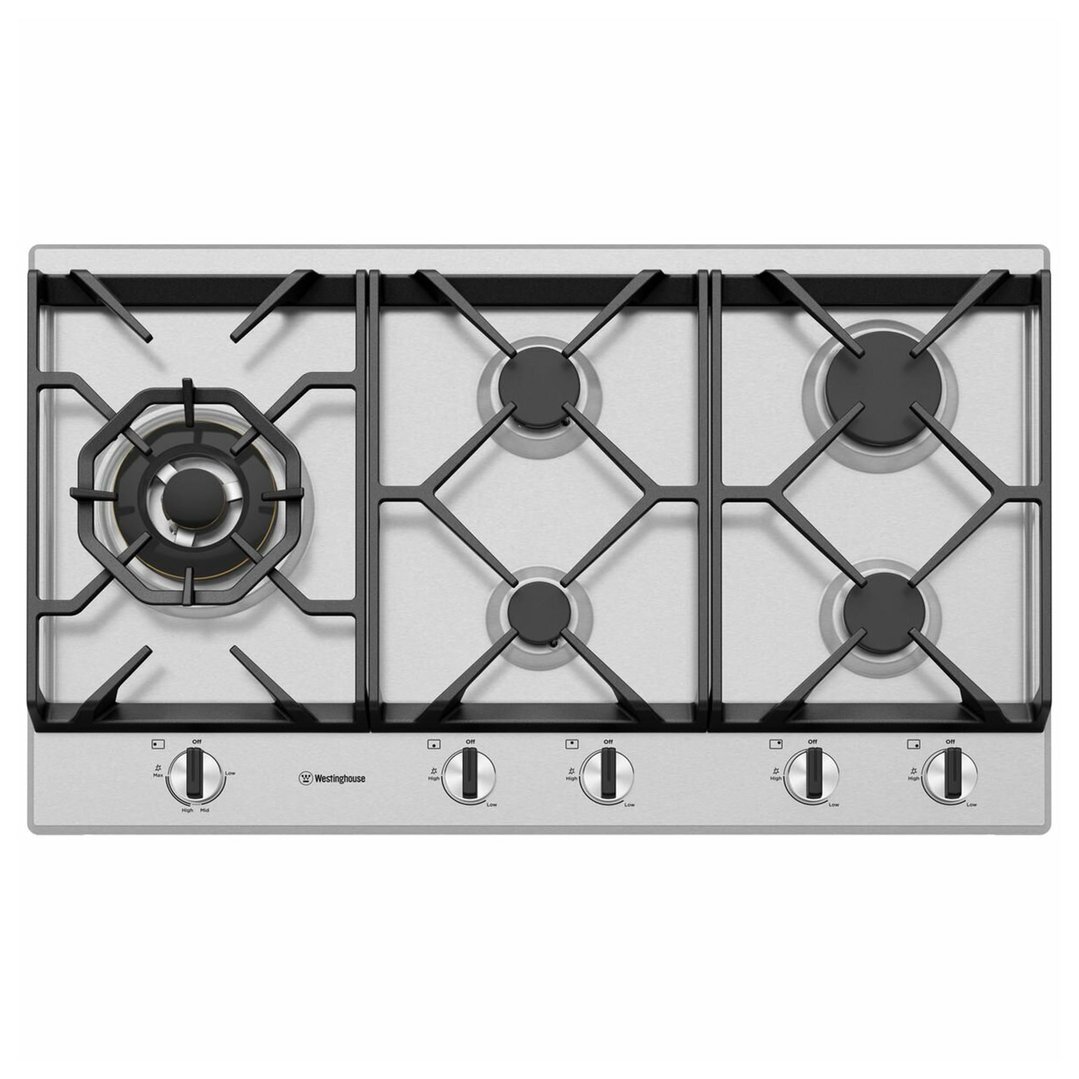
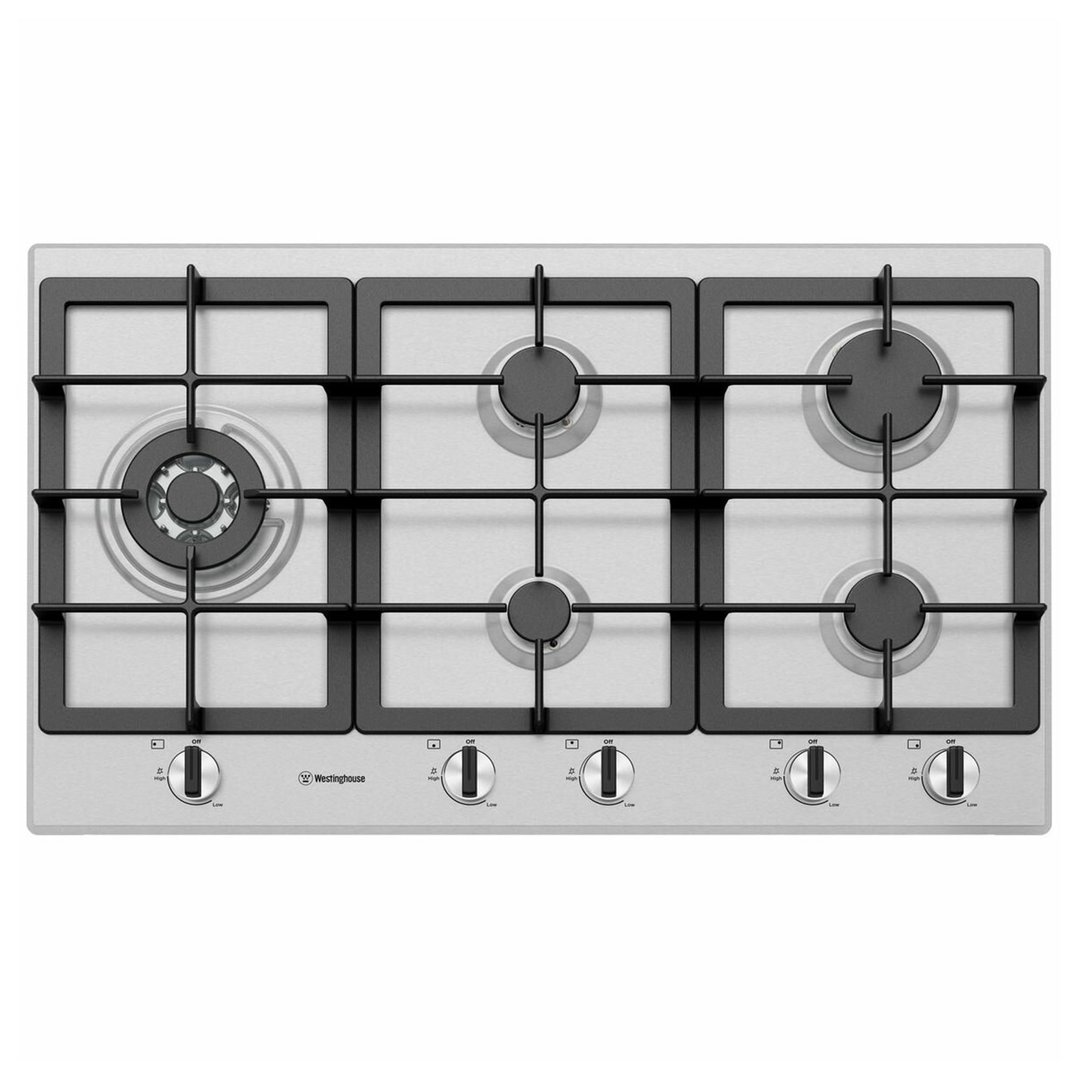

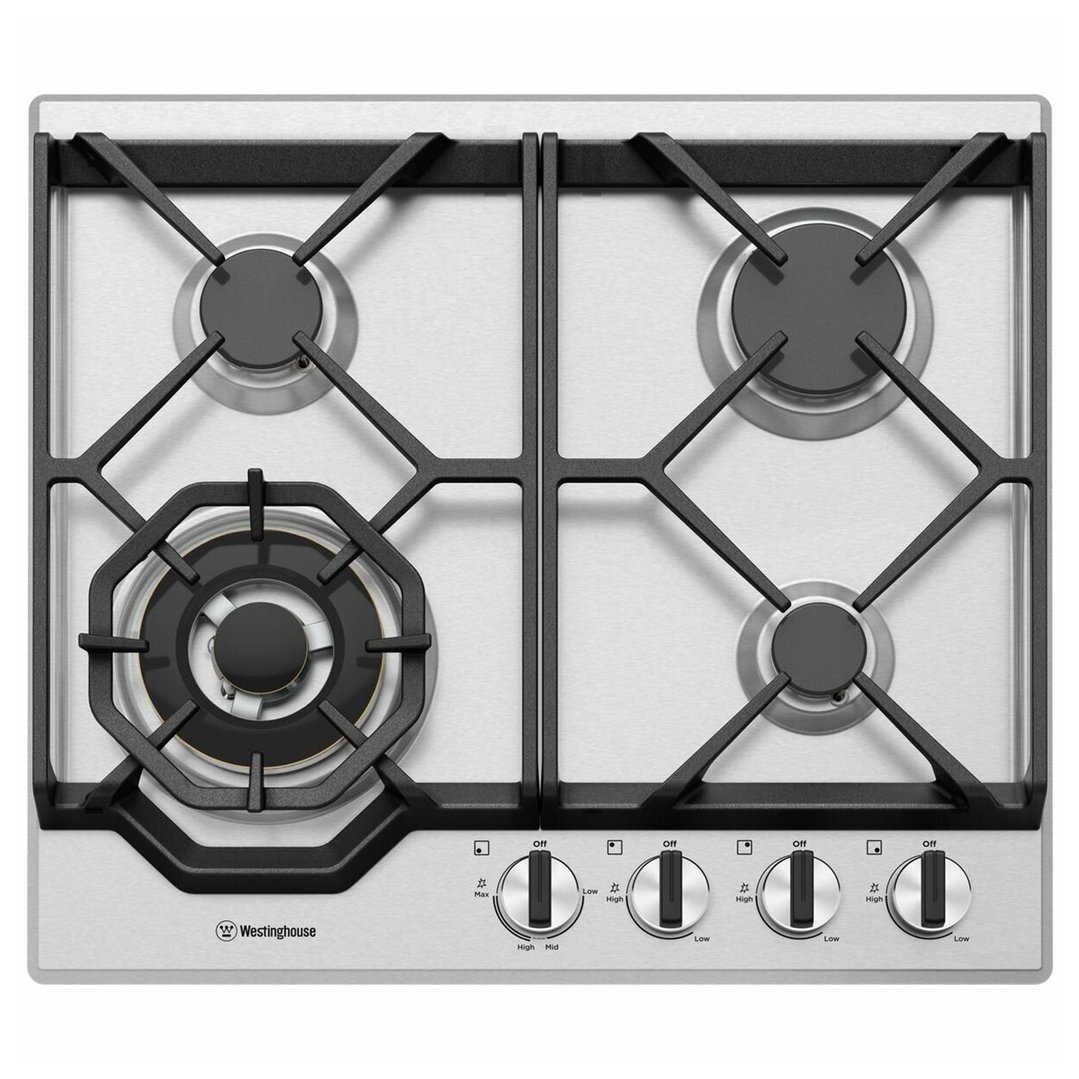
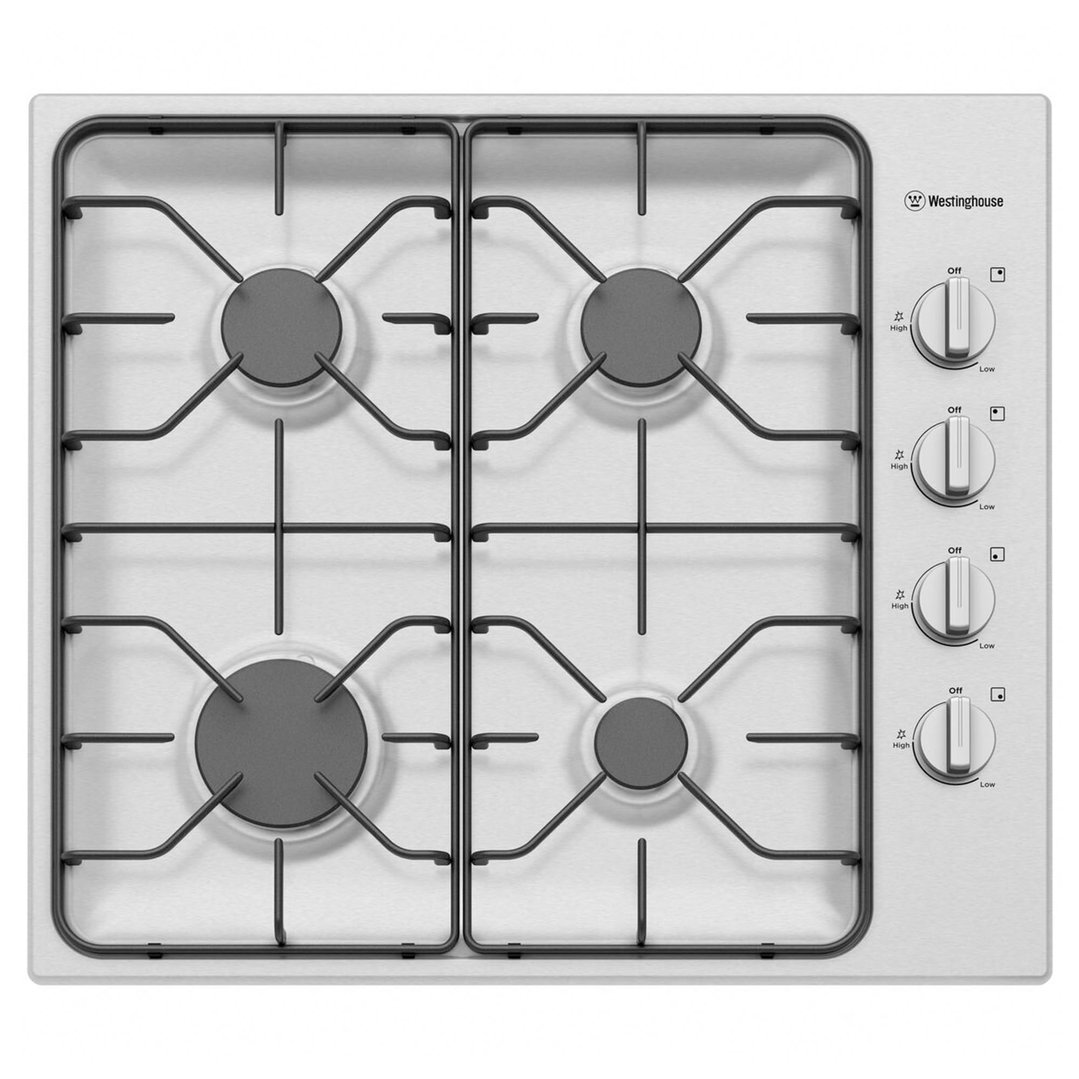
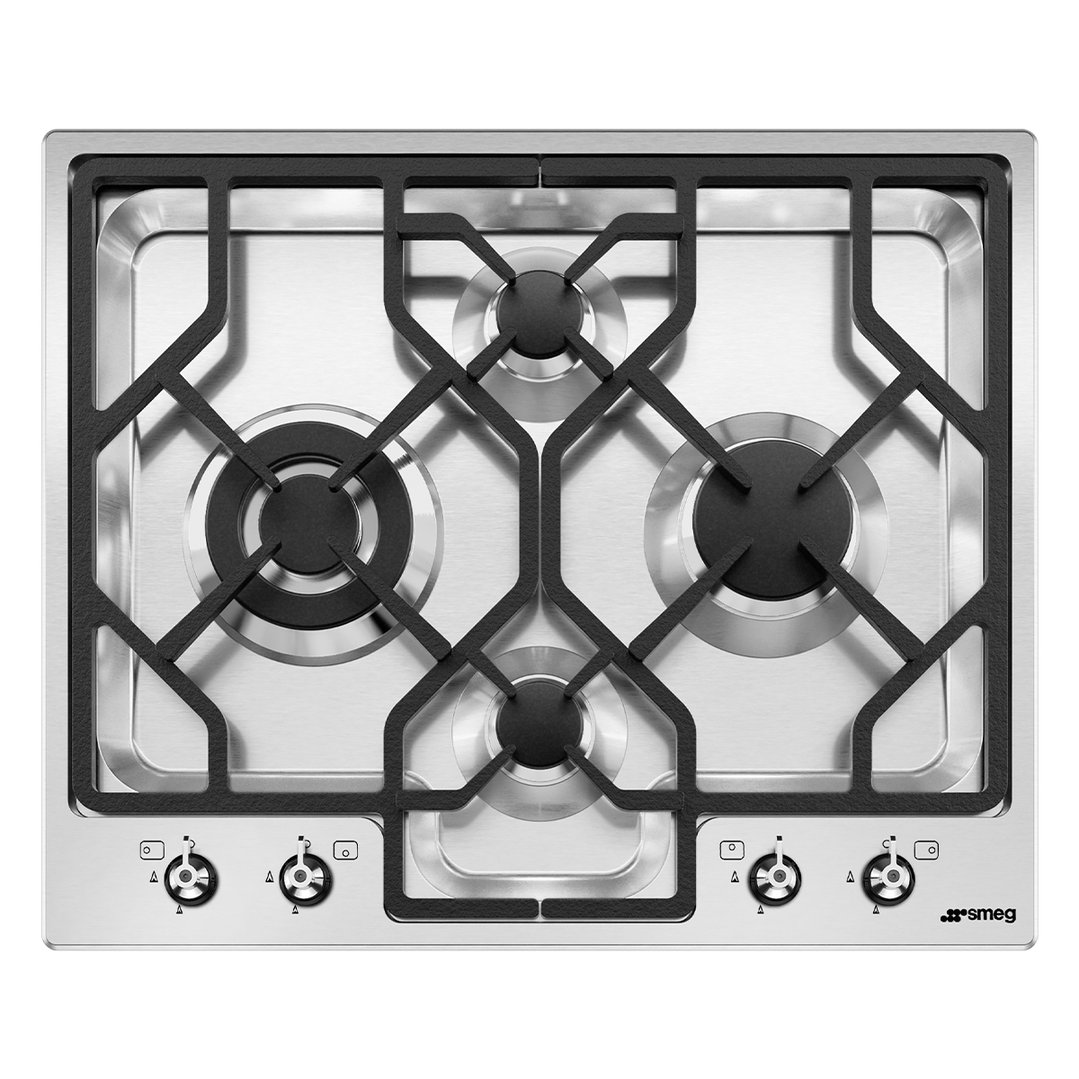
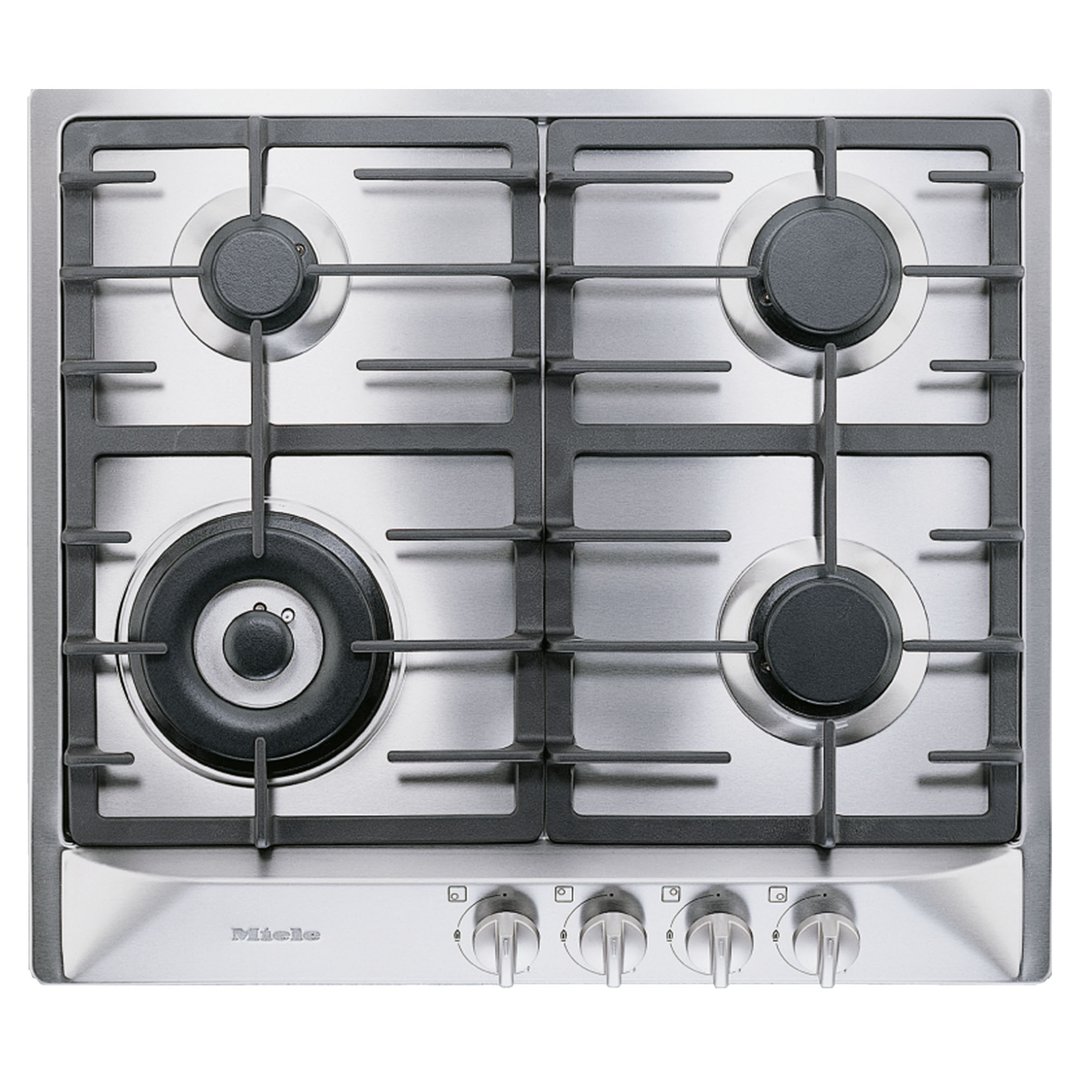

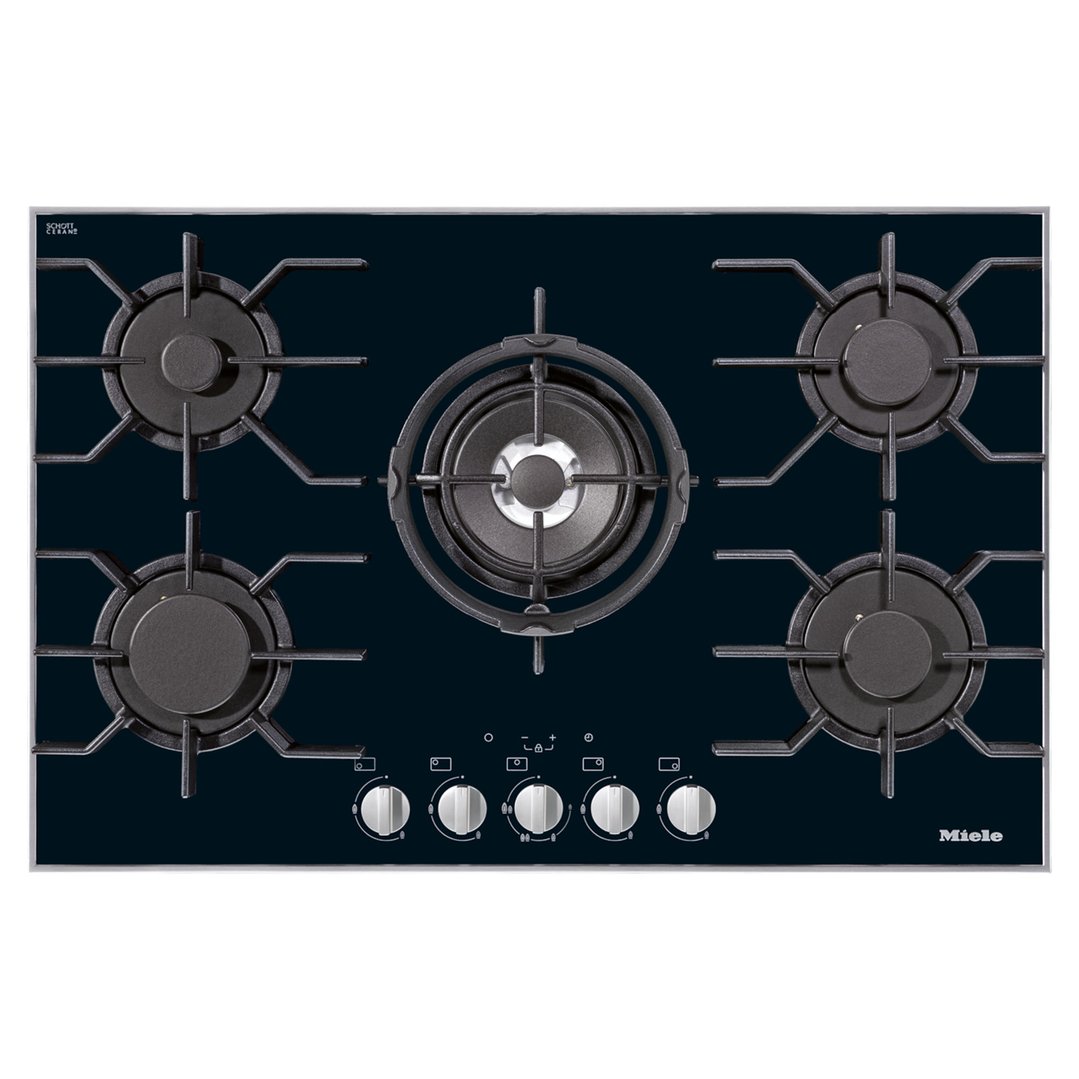
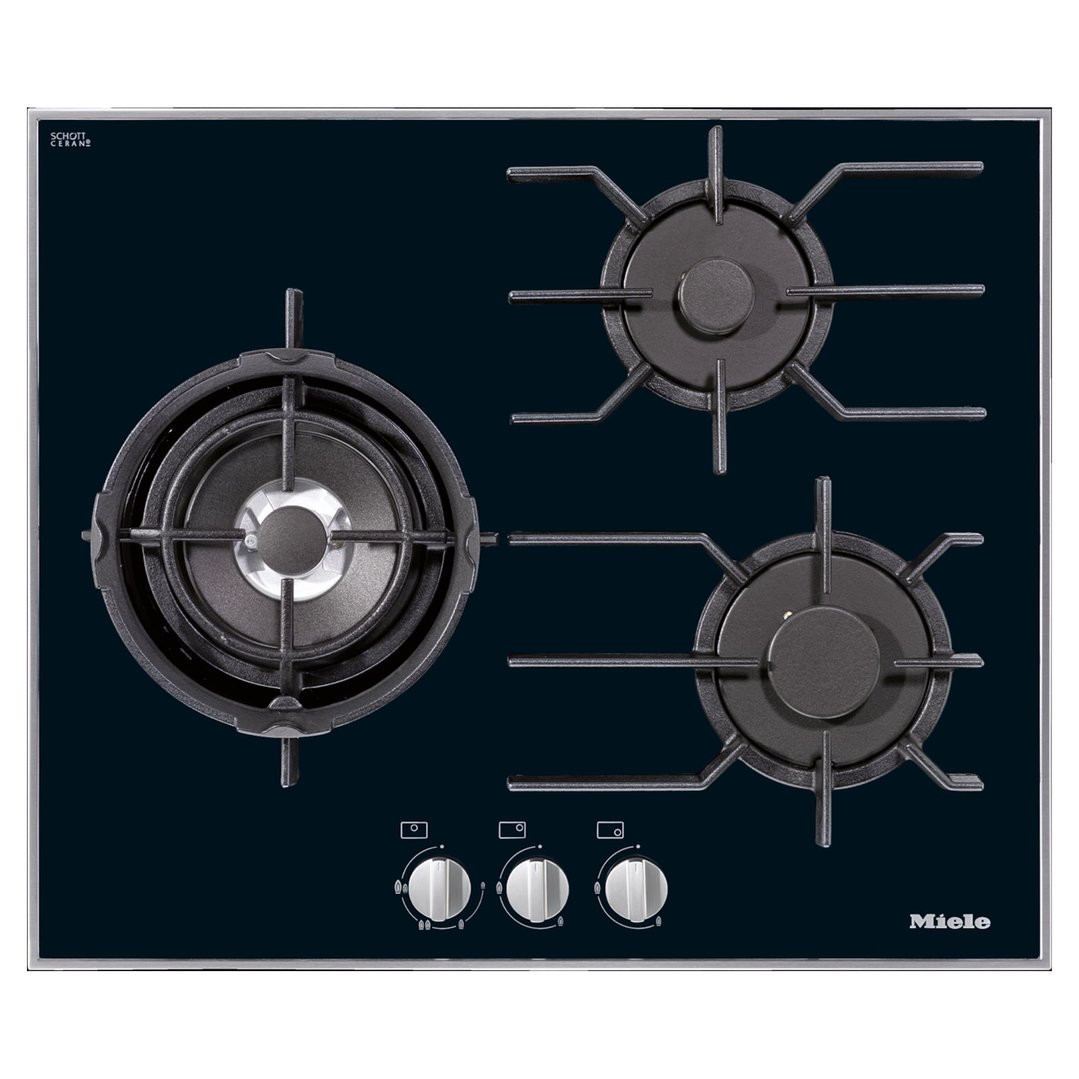
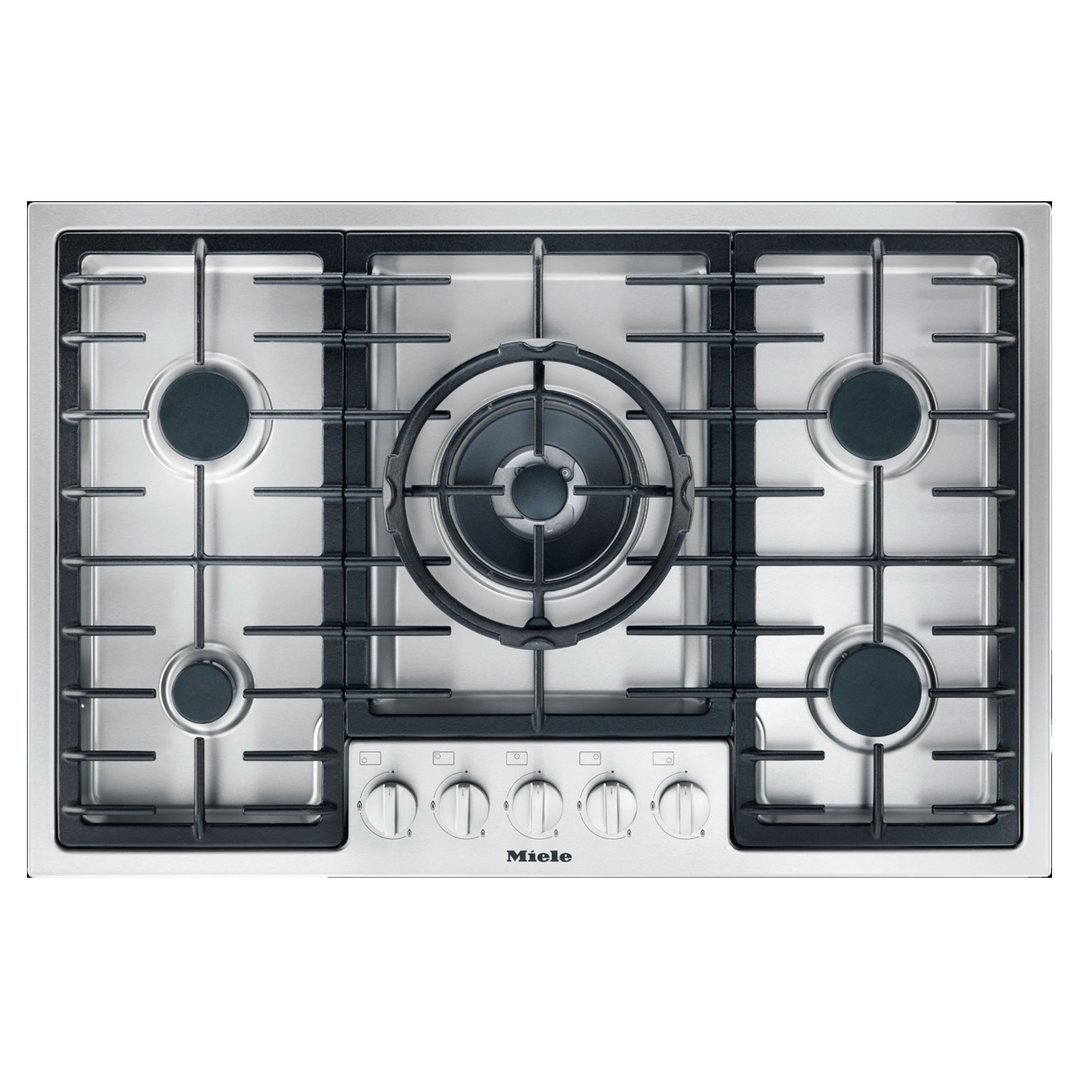
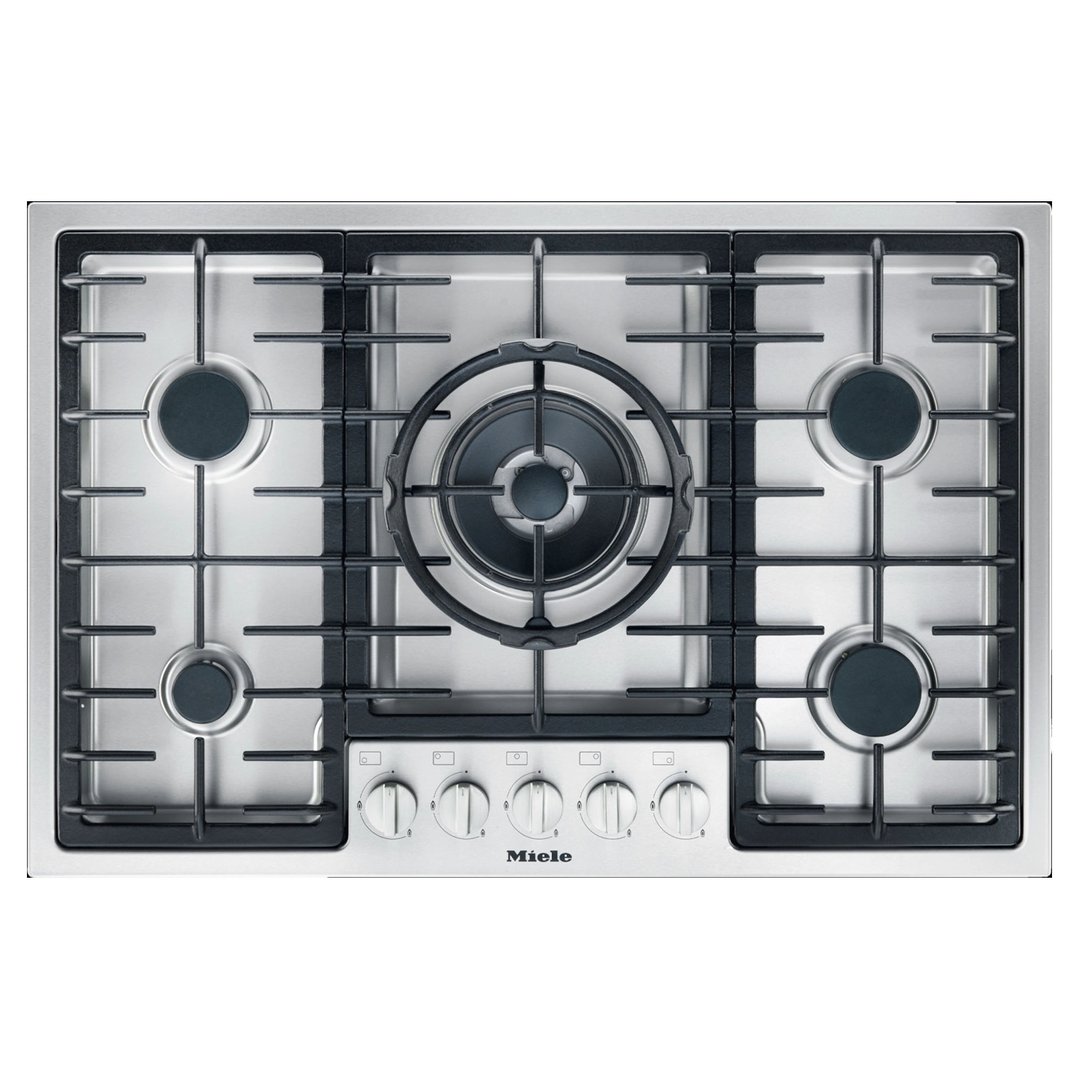
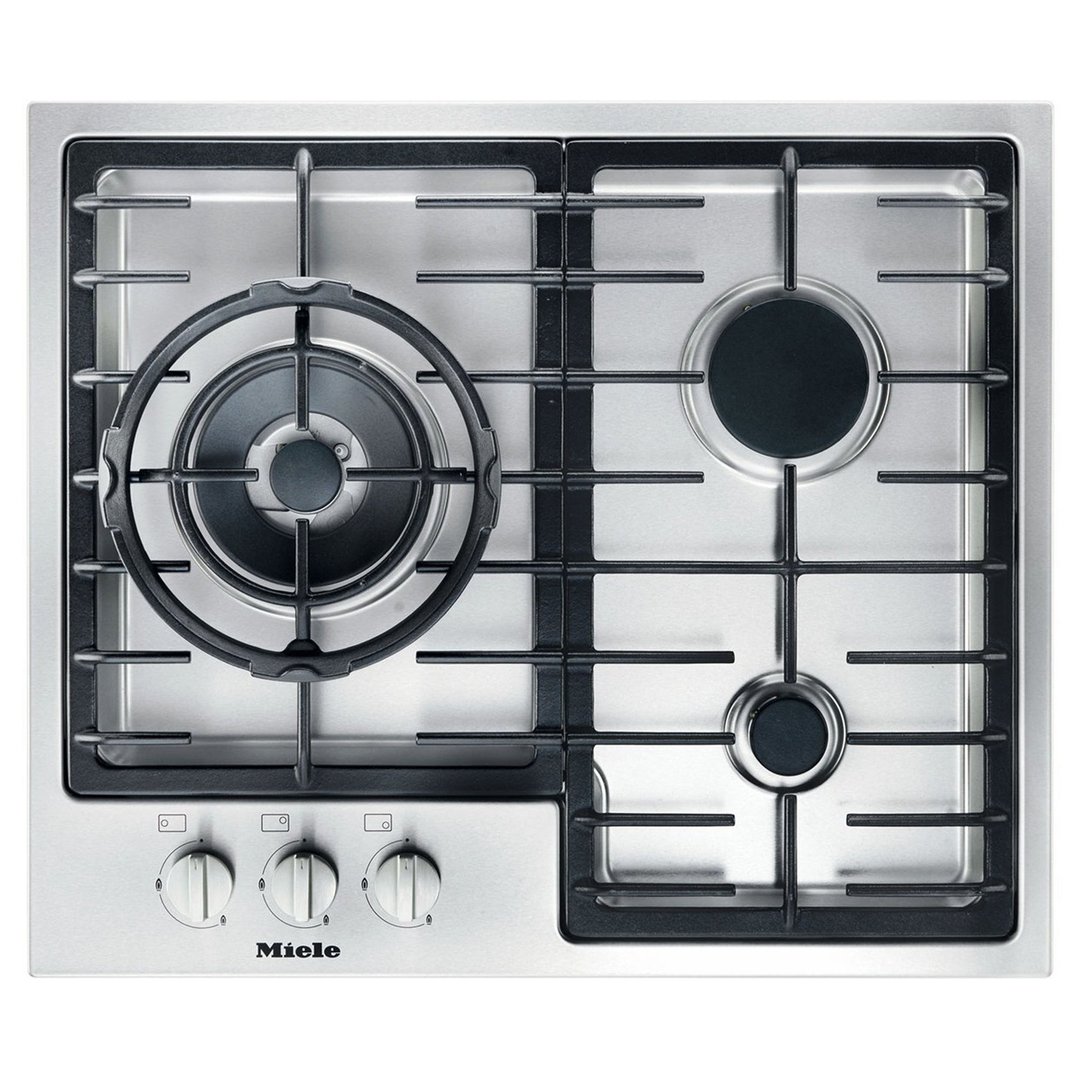
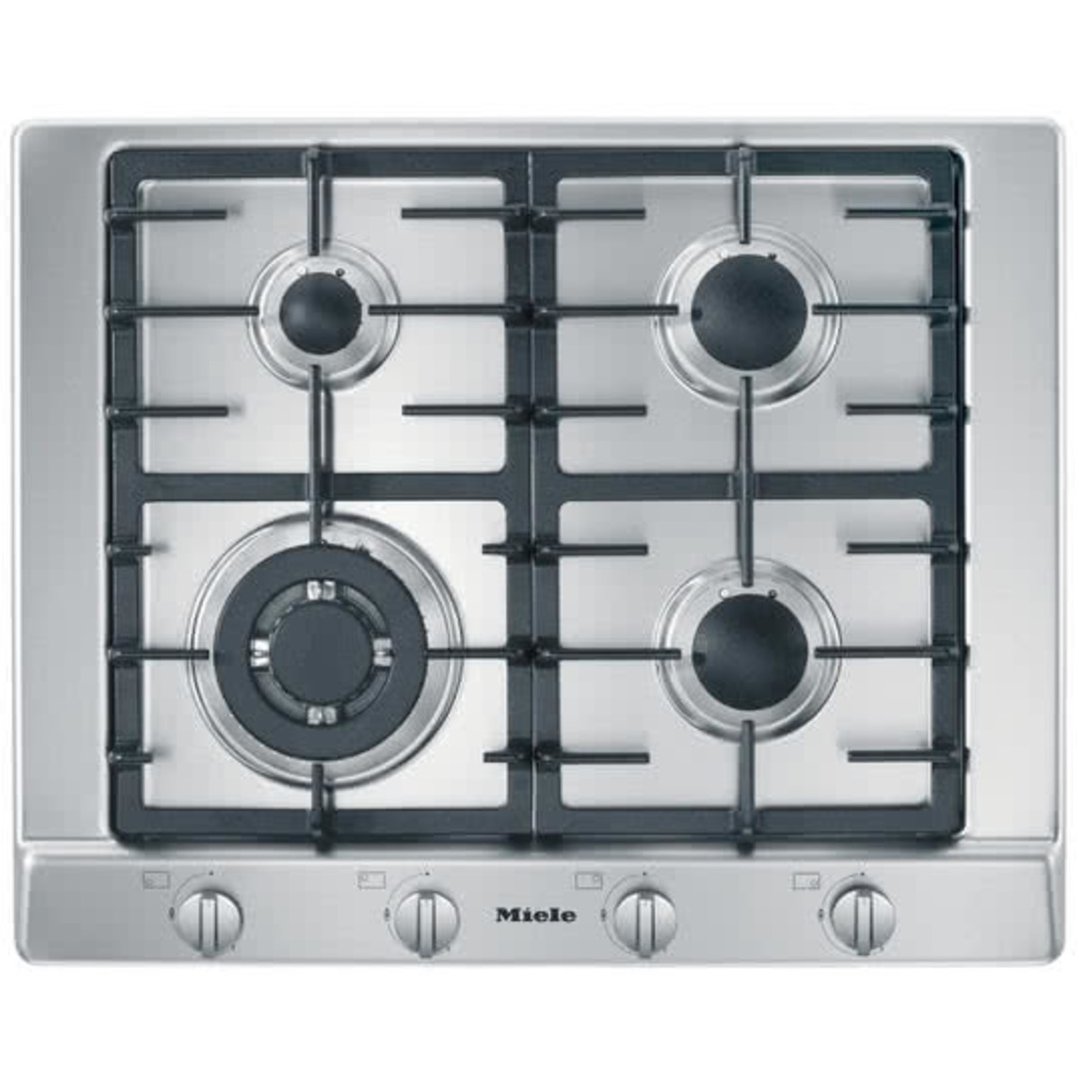

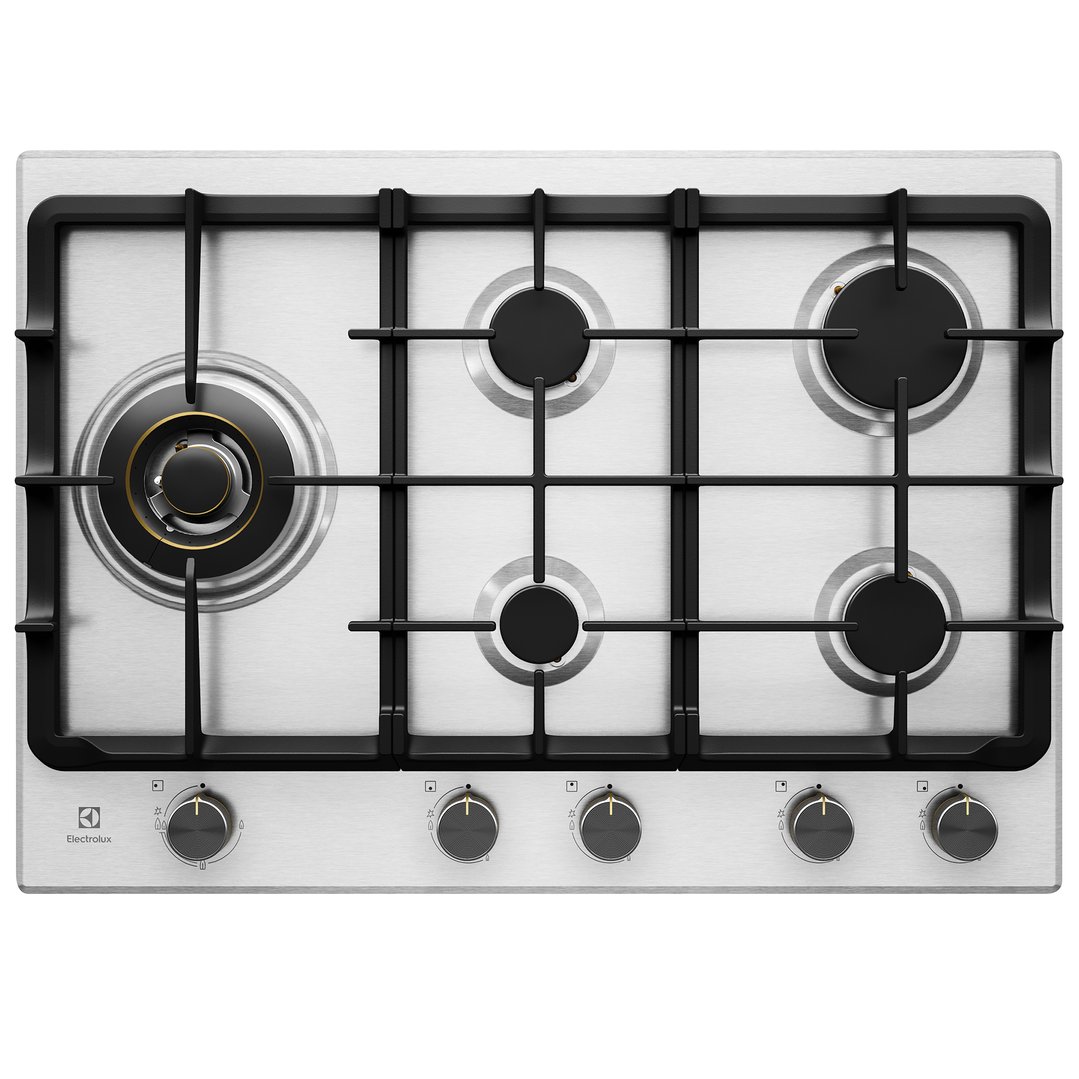

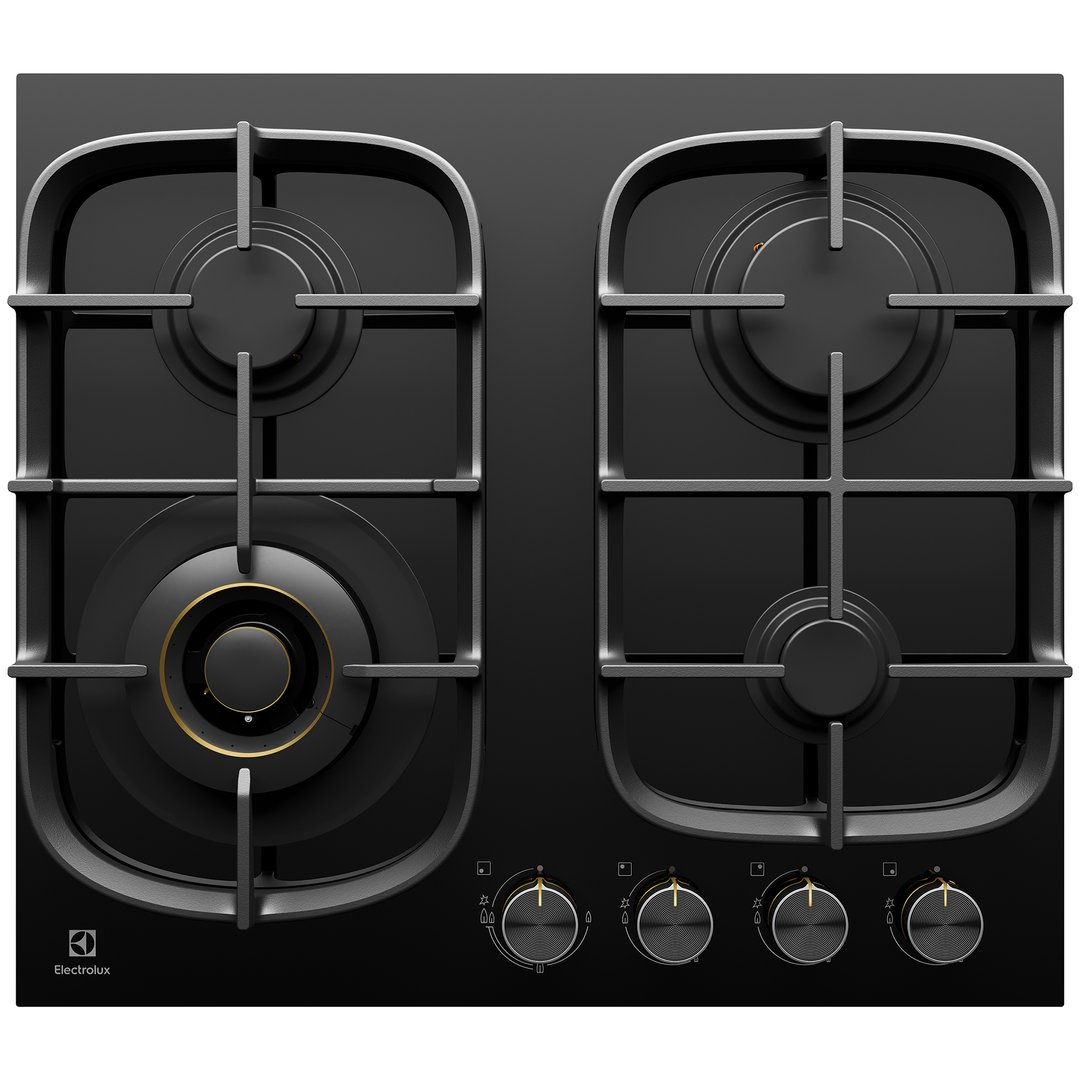
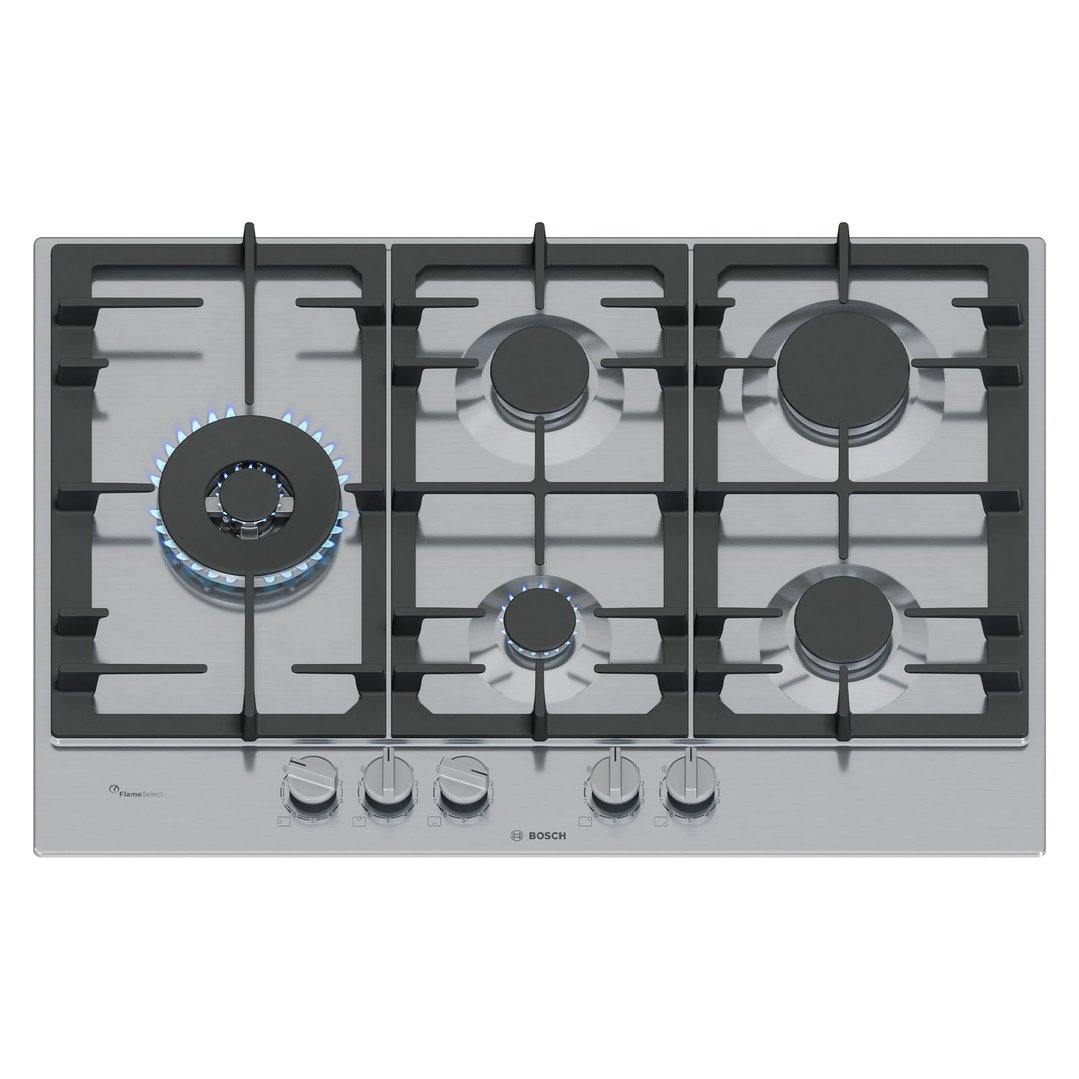
Gas remains the preferred choice for a large number of Australian home cooks. Instant visual feedback, compatibility with all cookware types and the ability to cook through a power outage make gas a genuinely flexible option. Whether you cook every night or infrequently but with real confidence when you do, a well-chosen premium gas cooktop is one of the more satisfying kitchen decisions you can make.
Burner Types and Heat Output
The burner configuration matters more than the raw number of burners. Here's how to think about it:
Auxiliary burner (1-1.5kW): Gentle, low heat for delicate sauces, melting chocolate or keeping food warm without scorching.
Medium burner (1.75-2.5kW): The workhorse of any gas cooktop. Soups, curries, pasta, sauteed vegetables - this is the zone you'll use most.
Large burner (3-4kW): High heat for sustained frying, boiling large pots or cooking proteins at temperature.
Wok burner (4-5kW+): The most powerful output available on a domestic cooktop. Delivers the intense, concentrated heat needed for proper stir-frying. Usually positioned at the centre or side of the cooktop.
When comparing 60cm and 90cm models with the same number of burners, the 90cm version has more physical space between zones - making simultaneous multi-pot cooking noticeably more comfortable.
Key Features to Look For
Flame failure device (FFD): Mandatory on all gas cooktops sold in Australia since July 2017. Cuts gas supply automatically if the flame goes out. Every model in our range includes this.
Cast iron trivets: Heavier than enamel-coated steel but far more stable. Cast iron supports large, heavy pans without wobble and is near-indestructible with basic care.
Electronic ignition: Push-button ignition built into the knob. No matches or lighters needed. The most convenient option for everyday use.
Gas on glass vs stainless steel: Black tempered glass looks sharp and wipes clean easily on the surface, though spills around burner caps need more attention. Stainless steel is more forgiving of fingerprints and has a timeless, professional finish.
Continuous grates: Some premium models have grates running the full cooktop width, letting you slide pots between burners without lifting - useful if you regularly cook with heavy casserole dishes or stockpots.
LPG convertibility: Most models are designed for natural gas but can be converted to LPG with a conversion kit. Important if you're in a rural area without mains gas.
Size Guide
60cm / 4 burners: The most common configuration. Works well for most households and layouts.
75-80cm / 5 burners: A comfortable step up, often with a wok burner plus auxiliary.
90cm / 5-6 burners: More zone spacing and capacity for larger households or regular entertainers.
For kitchens with limited benchtop space but high cooking demands, a dual fuel cooktop combines gas burners with induction zones.
Ventilation
Gas combustion produces nitrogen dioxide, water vapour and particulates - all of which benefit from active extraction. A properly matched rangehood is an essential consideration. Match the rangehood width to the cooktop width and ensure the extraction rate suits your kitchen size. For kitchens without overhead cabinetry, a ceiling-mounted rangehood or island rangehood is the right pairing. For kitchens with existing overhead cabinetry, an undermount or canopy rangehood integrates cleanly.
Luxury Gas Cooktops from the World’s Leading Brands
Our collection includes high-end gas cooktops from globally respected names such as Smeg, Fisher & Paykel, Bosch and Neff - brands known for innovation, craftsmanship and enduring style.
Frequently Asked Questions
Q. Is gas cooking being phased out in Australia?
Some state governments have introduced policies encouraging a shift away from gas in new residential builds, but gas cooktops remain widely available and in high demand across Australia. For existing homes with gas already connected, the choice remains yours. For new builds, check local planning requirements.
Q. What's the difference between natural gas and LPG?
Natural gas comes through the mains (common in metro areas), while LPG is stored in bottles - more common in rural areas. Most cooktops are designed for natural gas but include or offer an LPG conversion kit. Conversion requires replacing the burner injectors and adjusting pressure settings - a job for a licensed gasfitter.
Q. How does a flame failure device work?
A thermocouple sits next to the burner. When the flame is lit, it generates a small electrical current that keeps the gas valve open. If the flame goes out - blown by wind or extinguished by a boilover - the thermocouple cools, the current stops and the valve closes. It typically activates 10-30 seconds after the flame extinguishes.
Q. Are cast iron trivets hard to maintain?
Not at all. Cast iron handles high heat without warping and is extremely durable in daily use. They need to be fully dry before storing to prevent surface rust. A wipe with a damp cloth and occasional drying in a warm oven is the extent of the maintenance.
Q. Do I really need a dedicated wok burner?
If wok cooking is a regular part of your repertoire, yes. Standard large burners don't deliver enough concentrated heat for authentic stir-frying - the wok needs intense, direct flame. Wok burners typically output 4-5kW versus 3-4kW for a large standard burner. Check whether the trivet supports a round-bottomed wok directly or needs a separate wok ring.
Q. How do I know if my kitchen is plumbed for gas?
If you have an existing gas connection anywhere in the house, a licensed gasfitter can extend or relocate the line. No connection at all means connection costs that vary depending on proximity to the mains and your local supplier's fees. Check with your energy provider for an estimate before committing.
Q. Can I convert a natural gas cooktop to LPG myself?
No. Gas appliance conversion must be carried out by a licensed gasfitter. The injectors need to be replaced and the regulator adjusted correctly - getting this wrong is a safety risk.
Browse our full cooktops range, or explore induction cooktops, ceramic cooktops and canopy rangehoods. Whether you’re planning a complete kitchen makeover or simply seeking the perfect replacement, our team is here to join you on the journey. Book a consultation or visit our showroom to experience our range in person and find the ideal fit for your home.