Combi Microwave Ovens
An efficient and highly effective solution, these combination appliances present the speed of microwave heat-ups alongside convection oven capabilities - delivering sensational results in sensationally quick time. And our range is informed by the quality of leading manufacturers, who add features such as superior automatic programming and Smart functionality to their stylish units.

was $6,499 you
pay $5,524Ends in 9 Dayswas $5,199 you
pay $4,419Ends in 9 Days



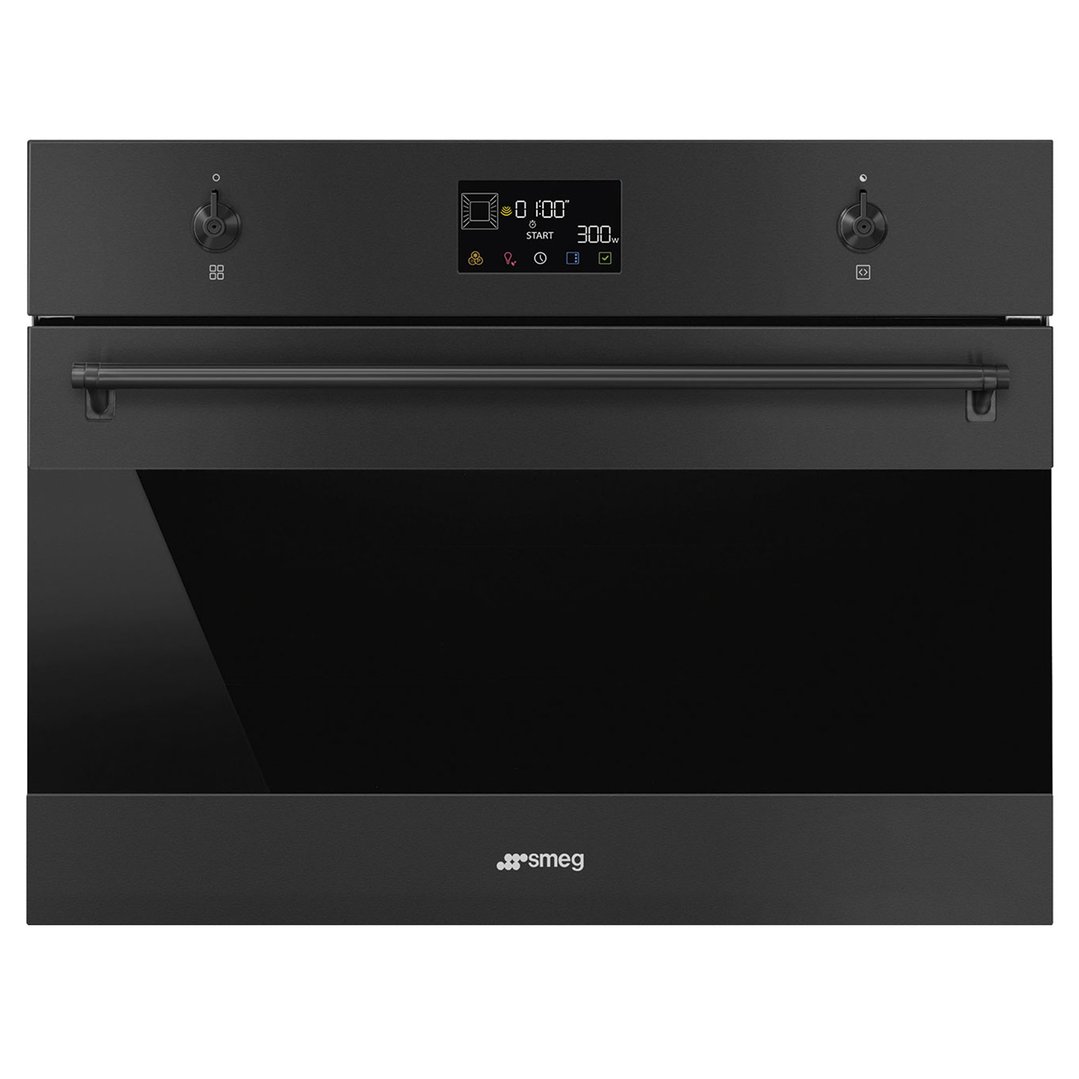

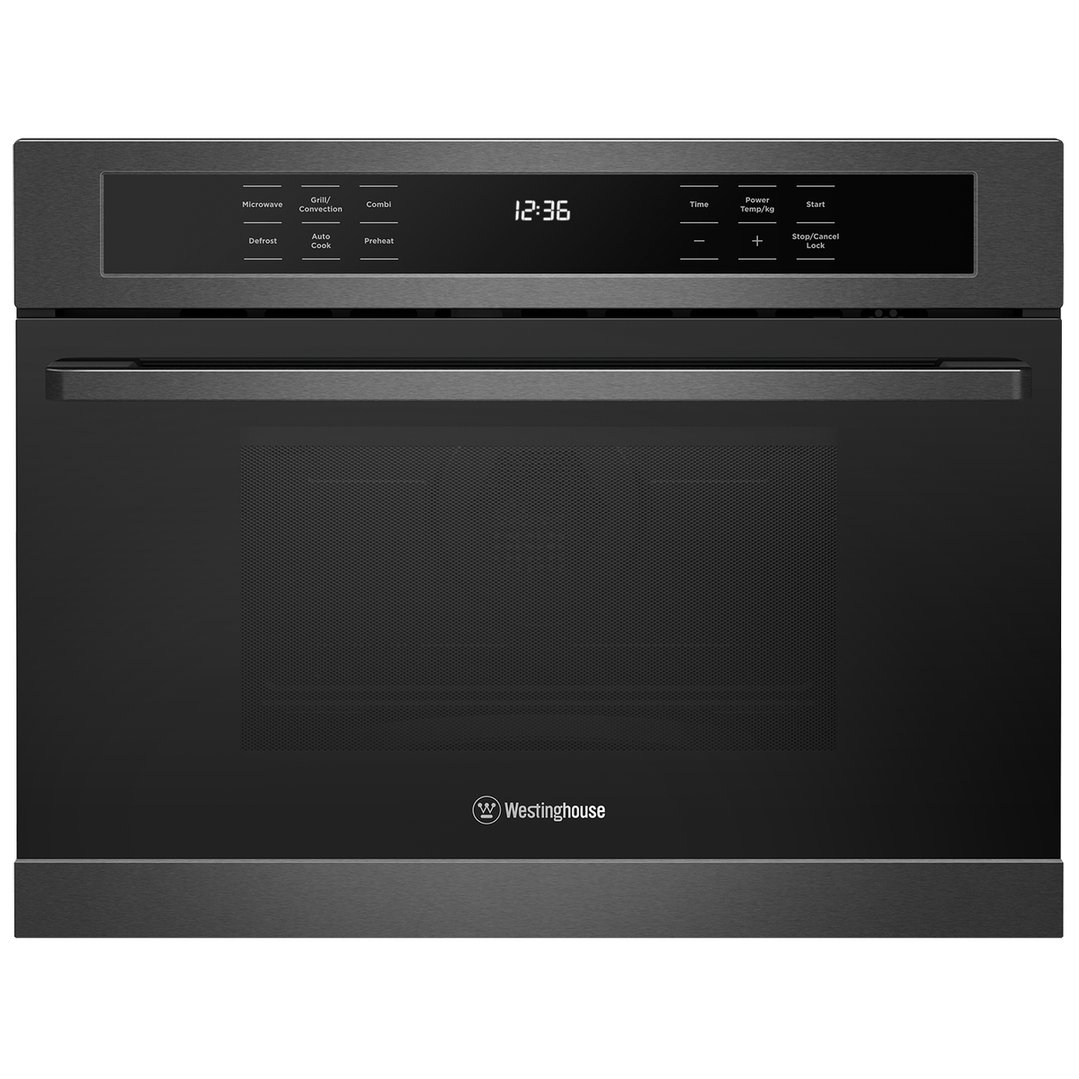

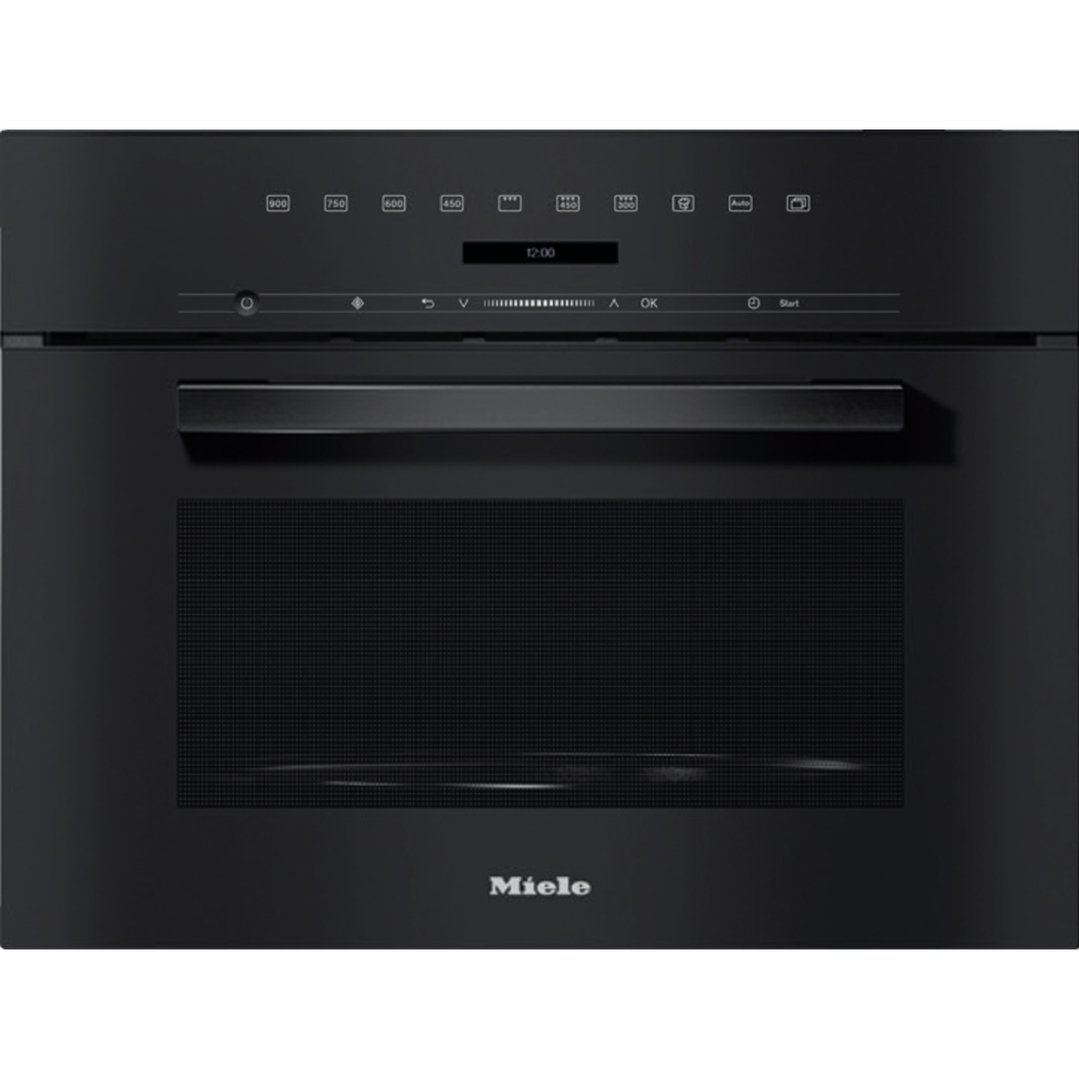
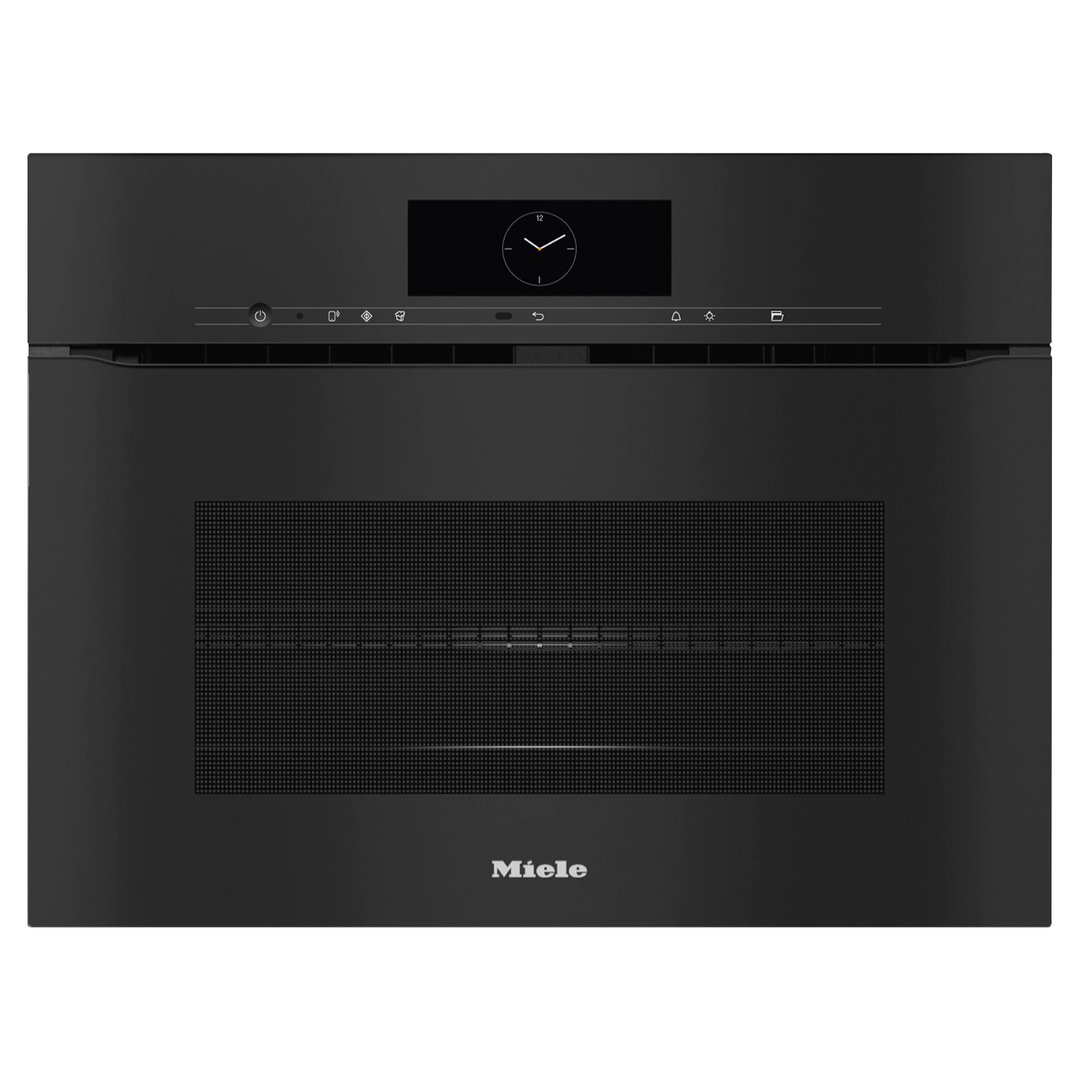
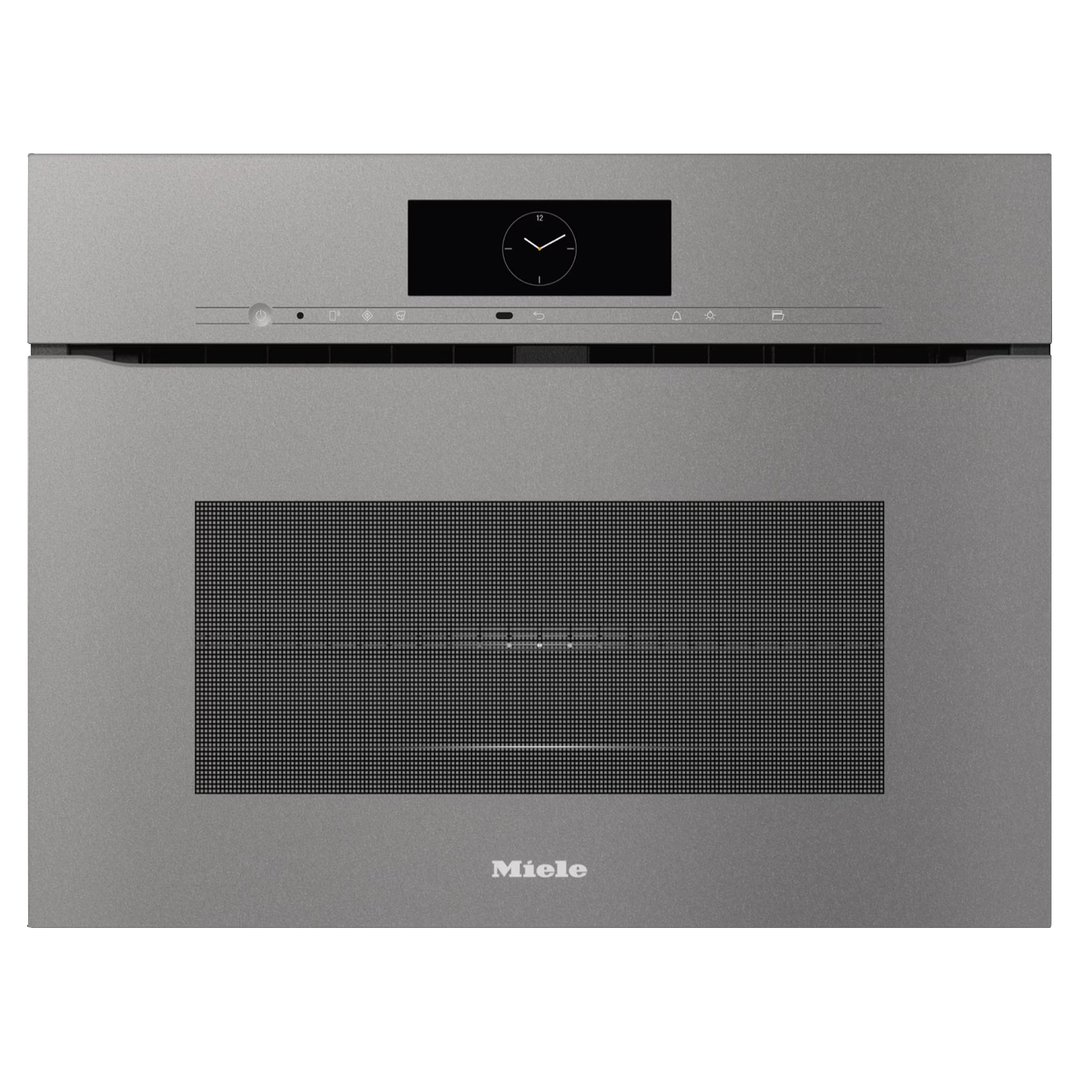
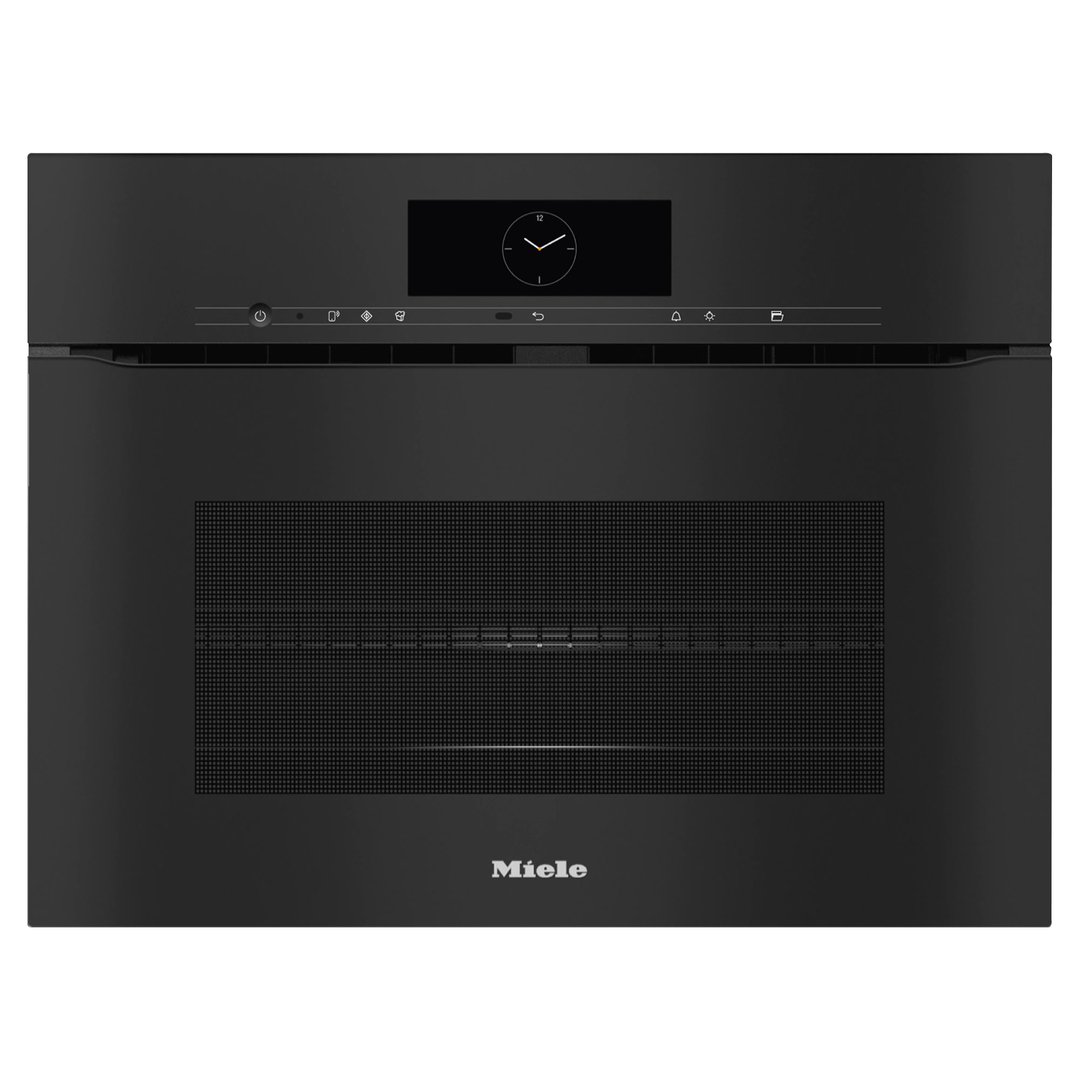
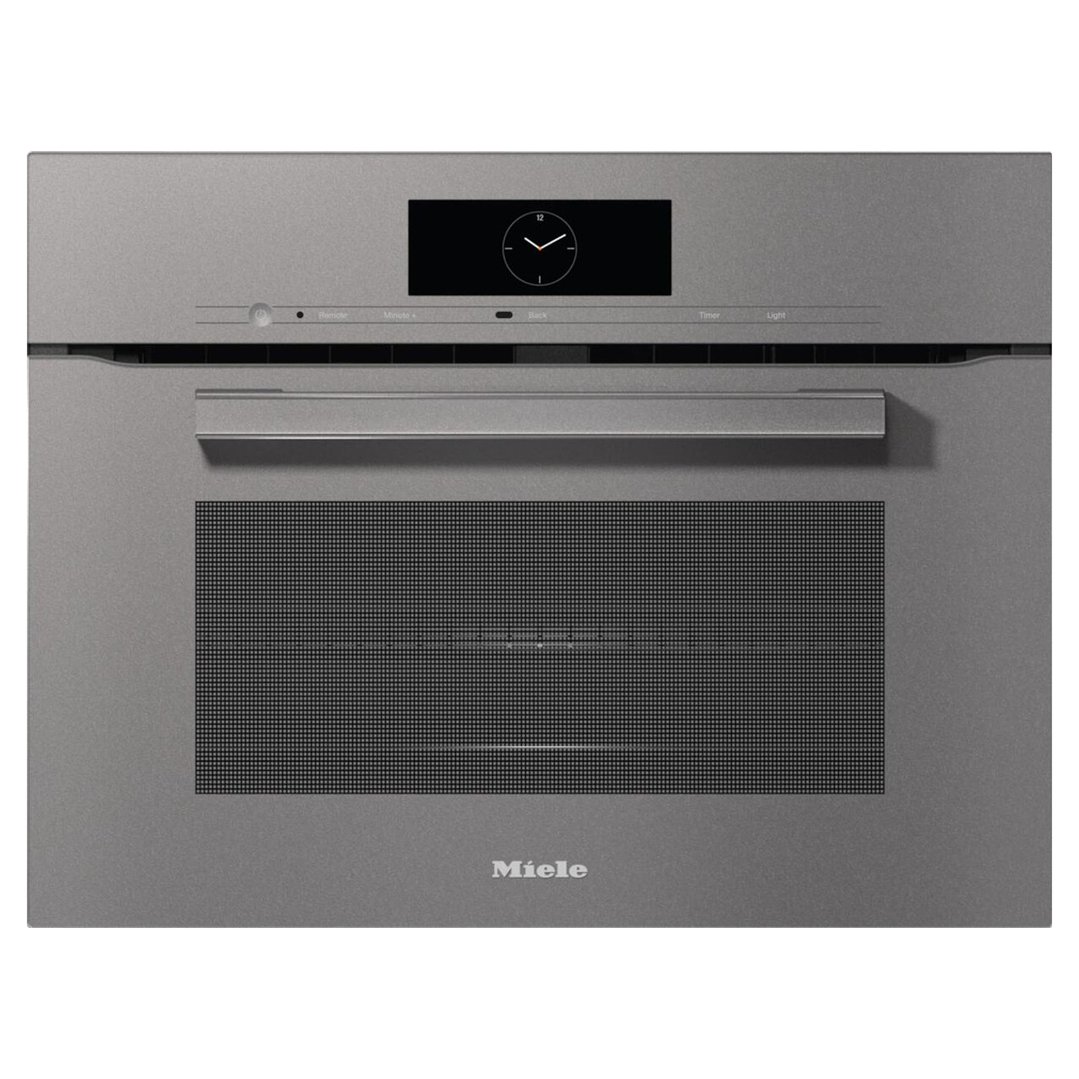
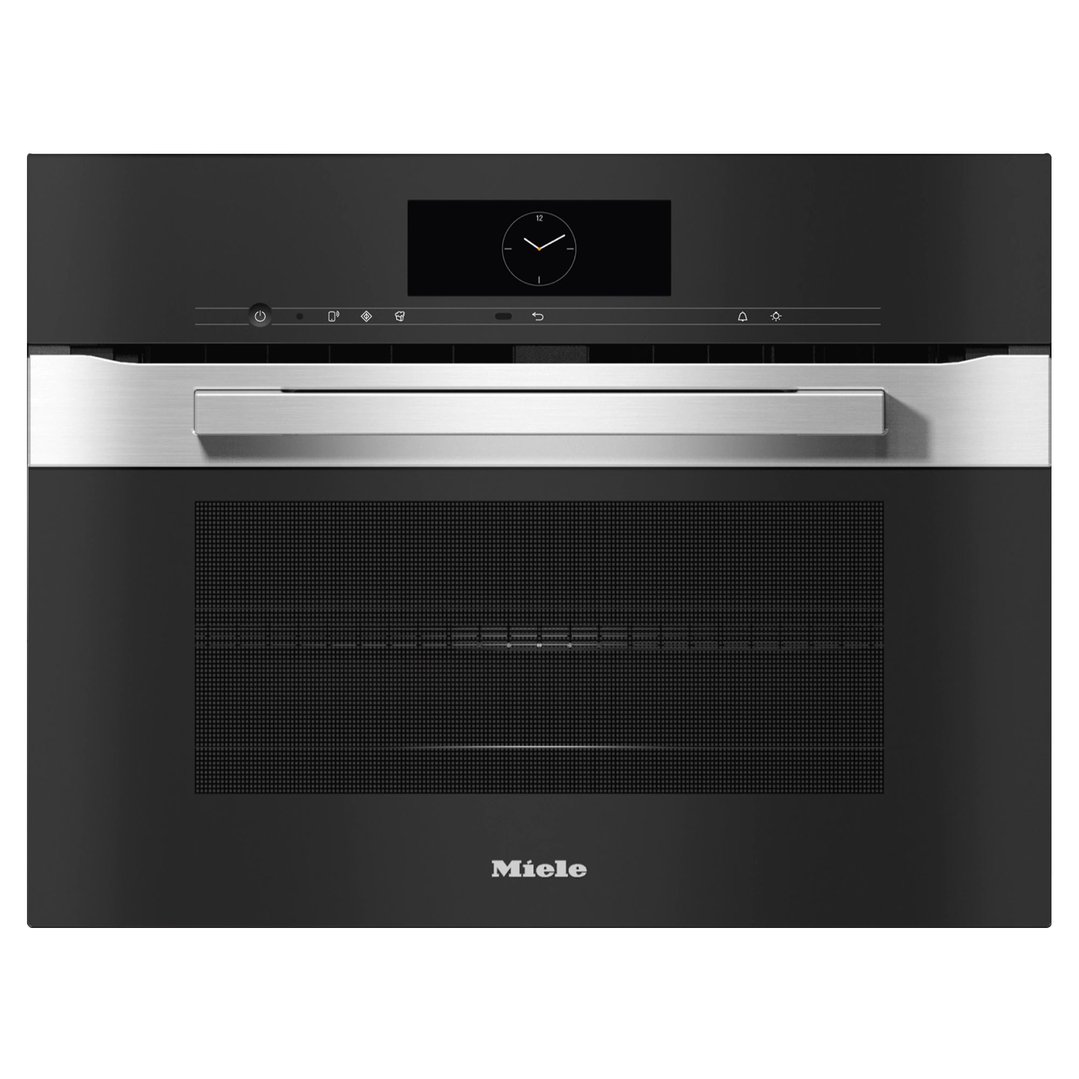
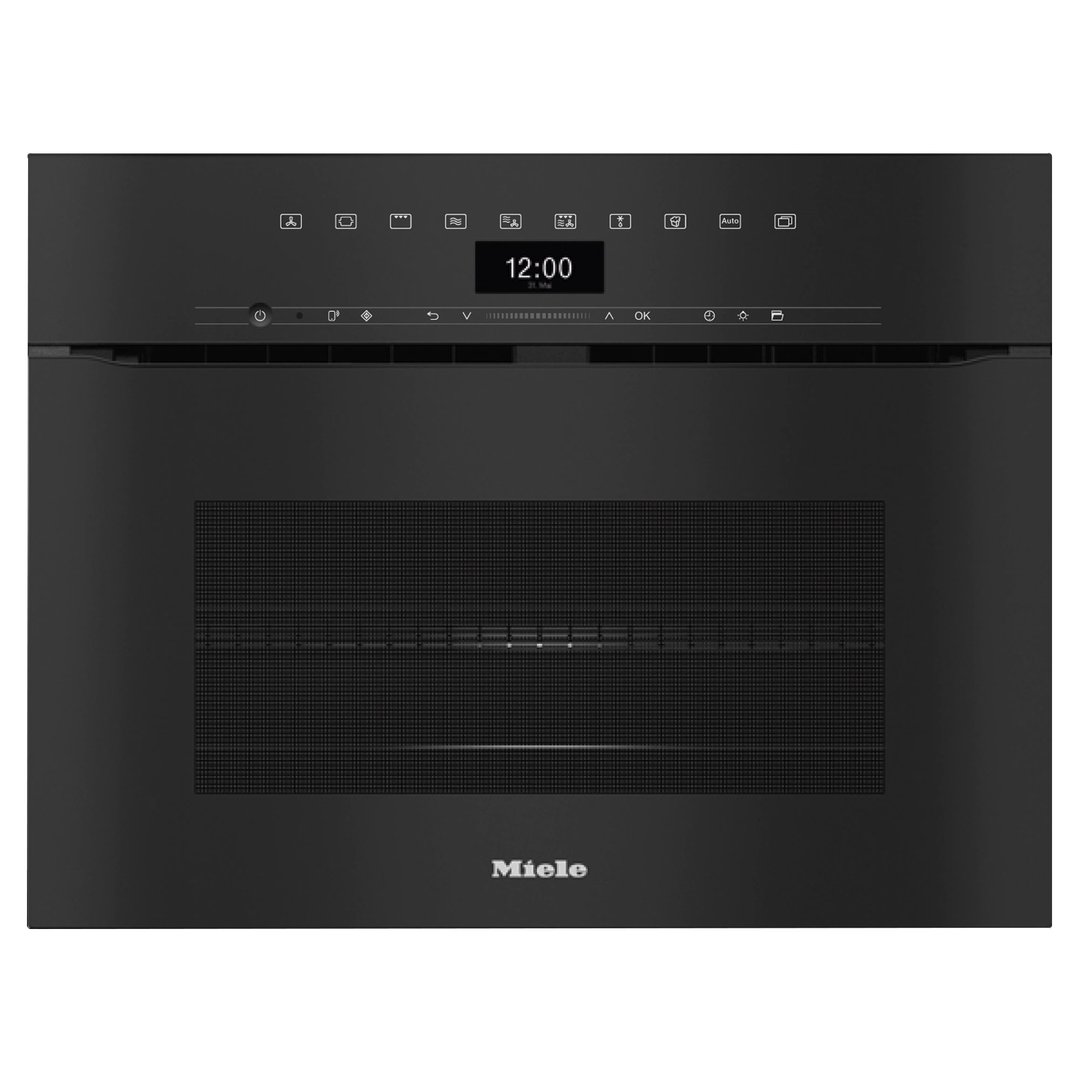
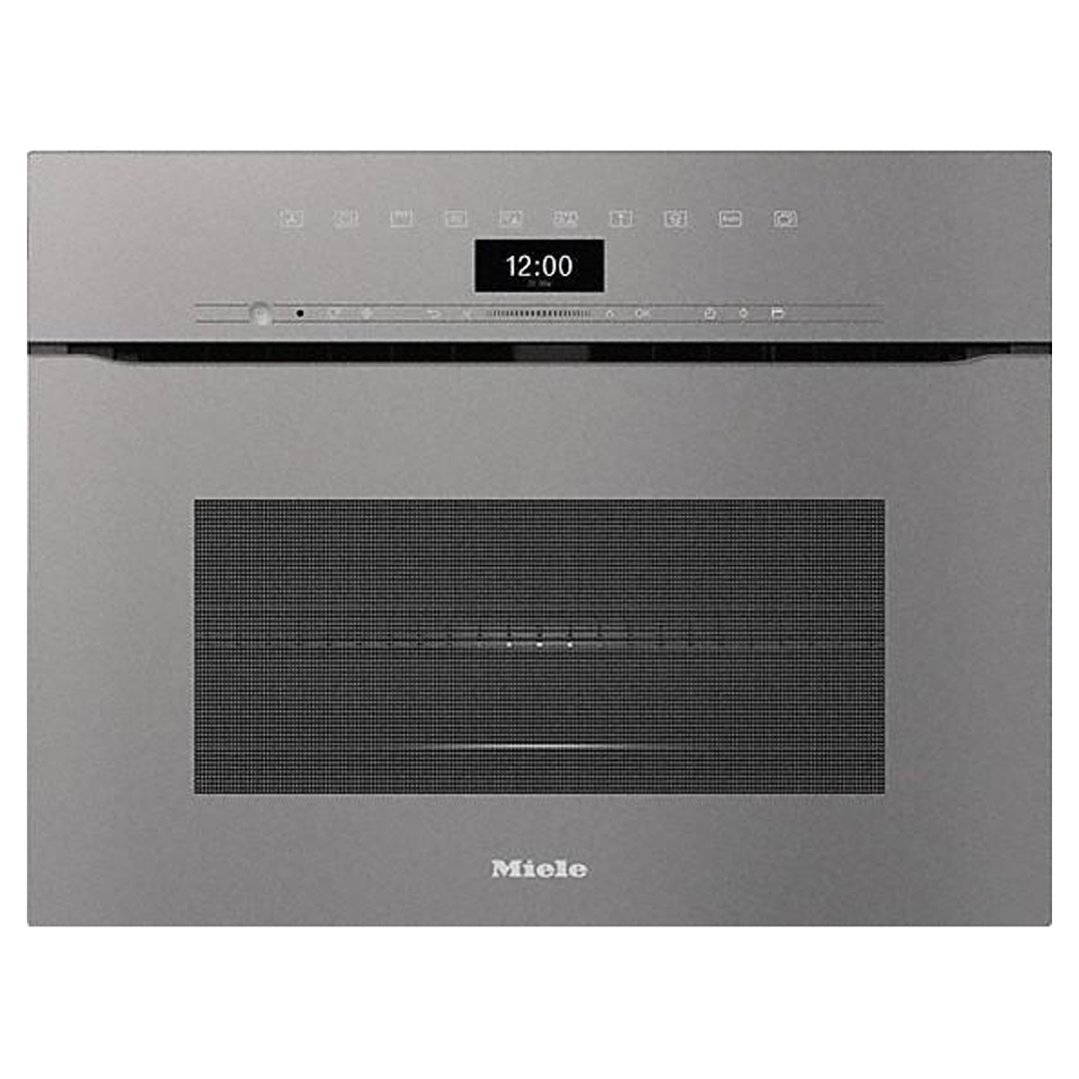
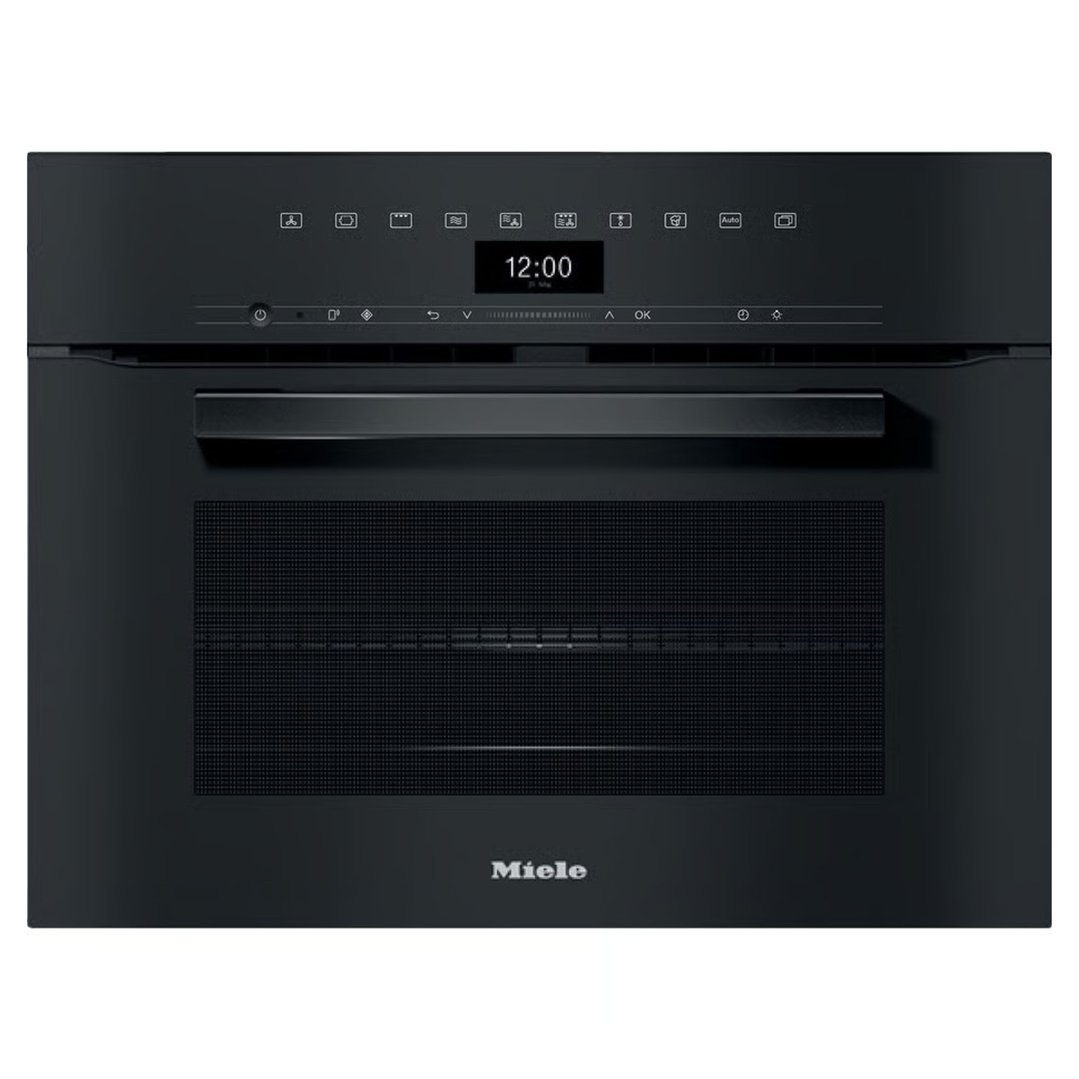
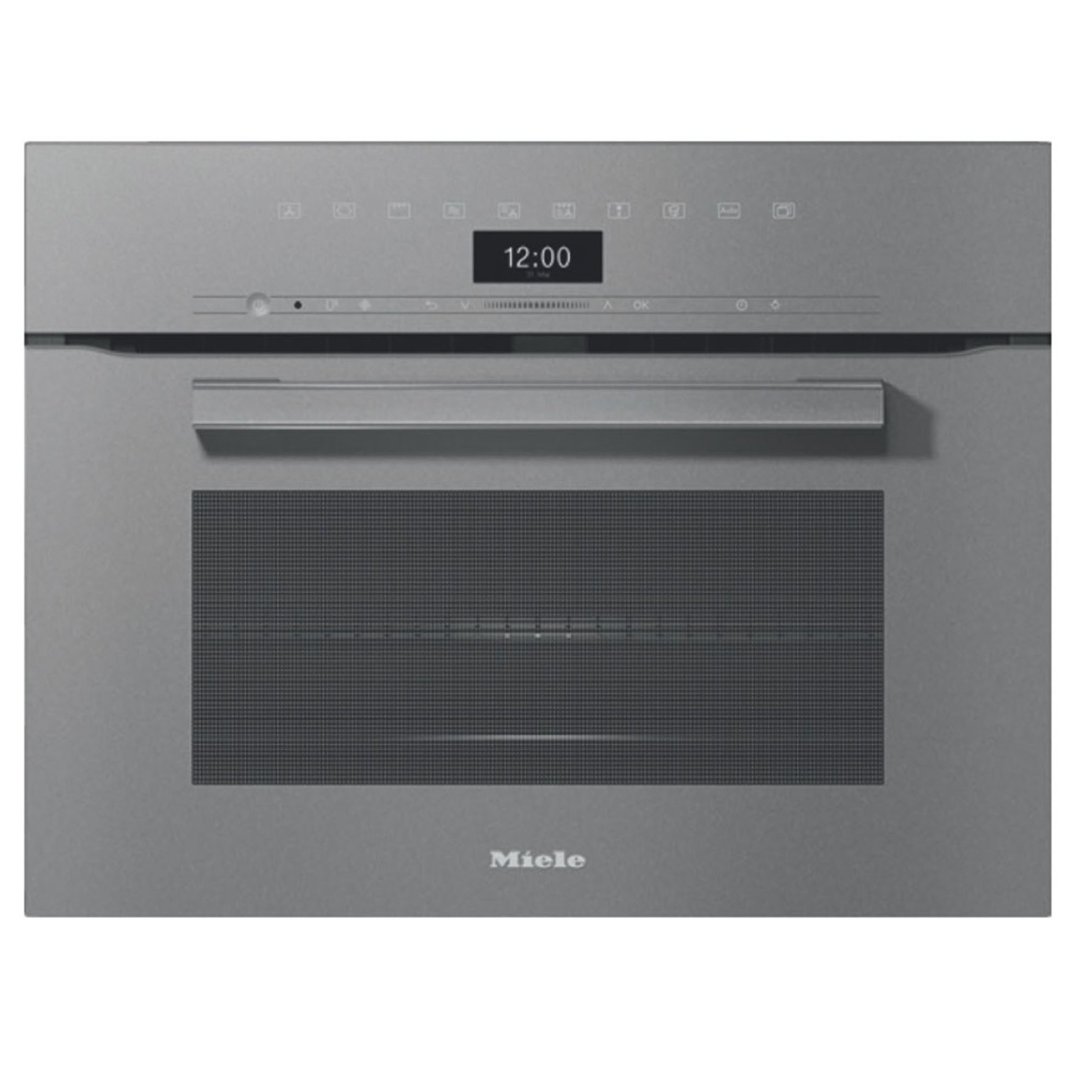
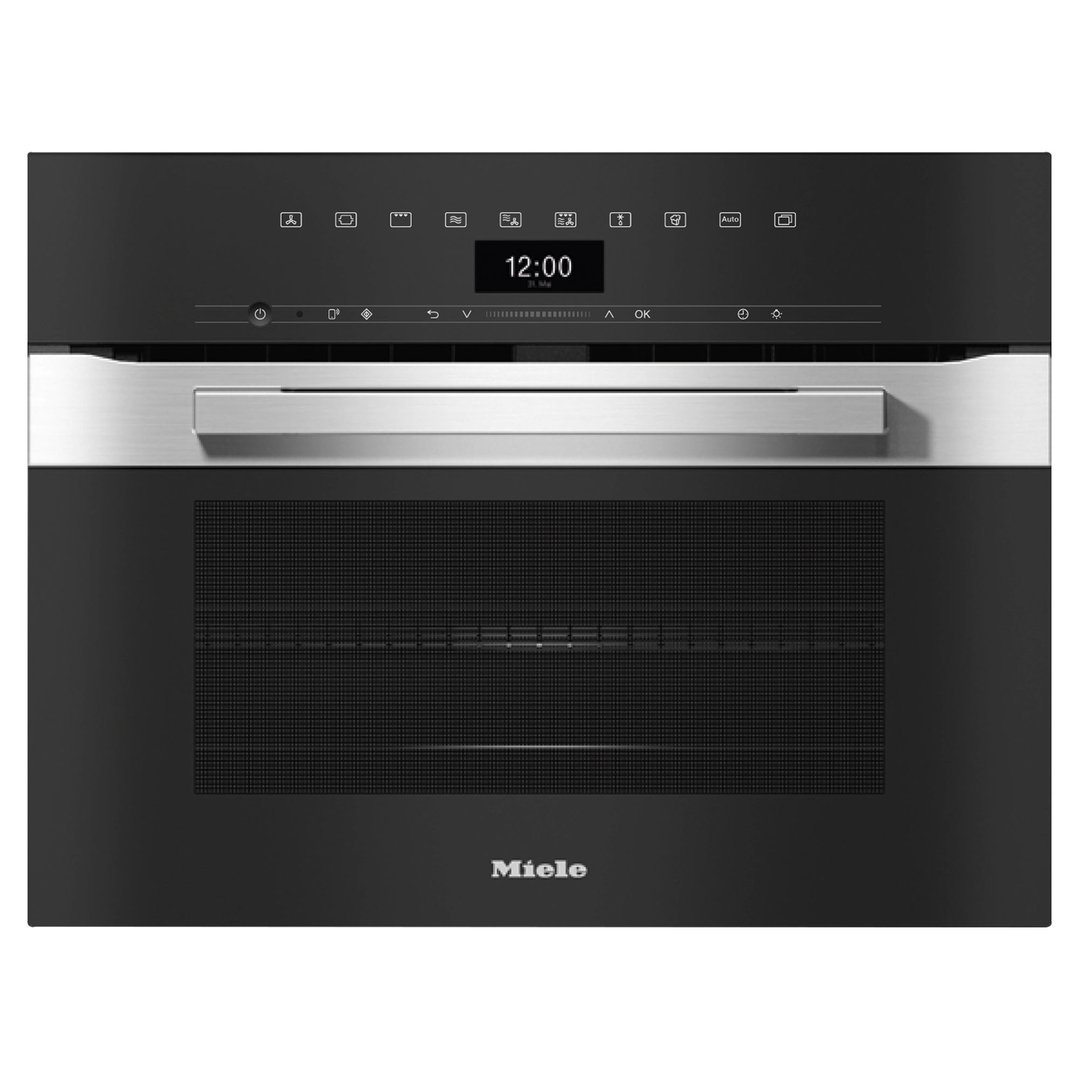
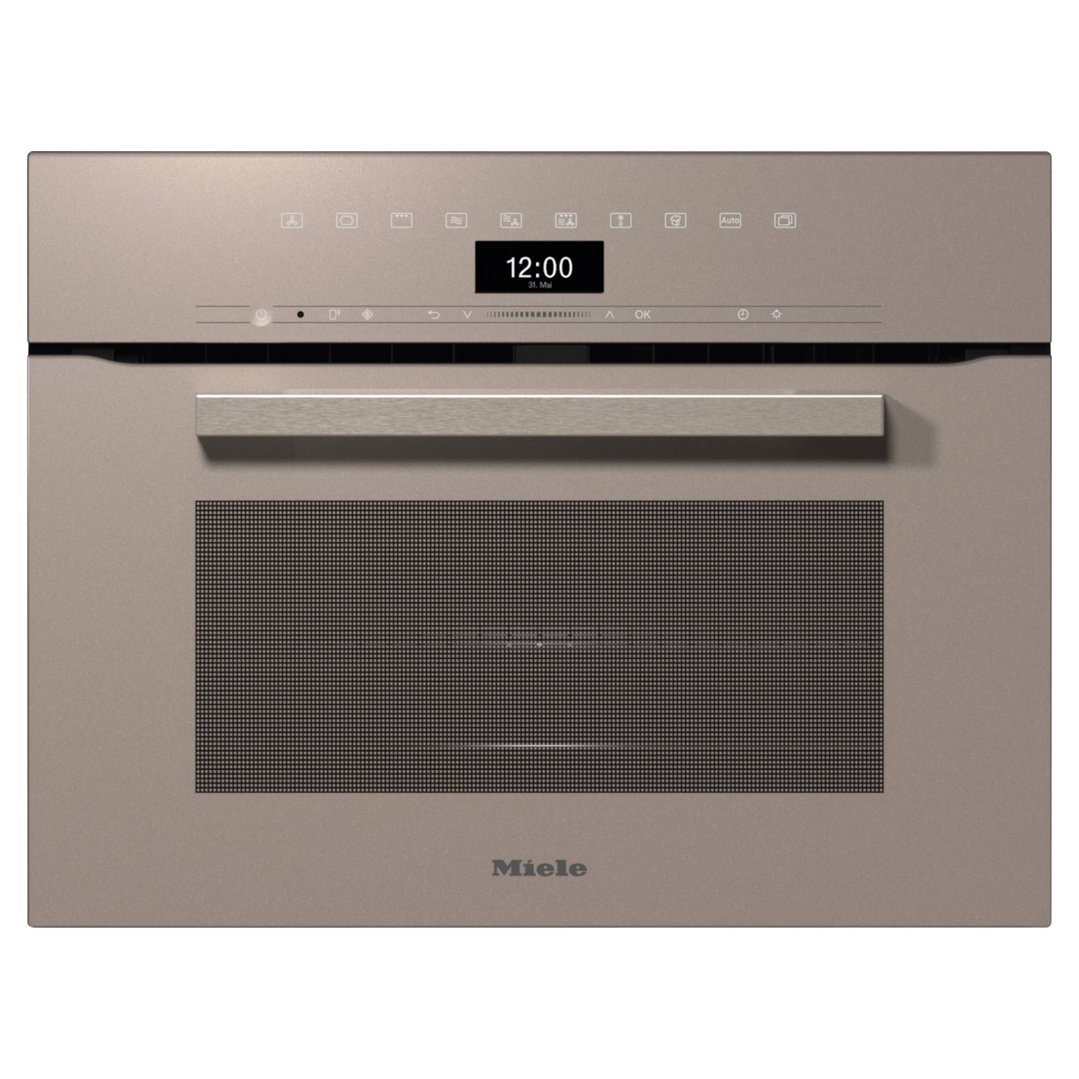
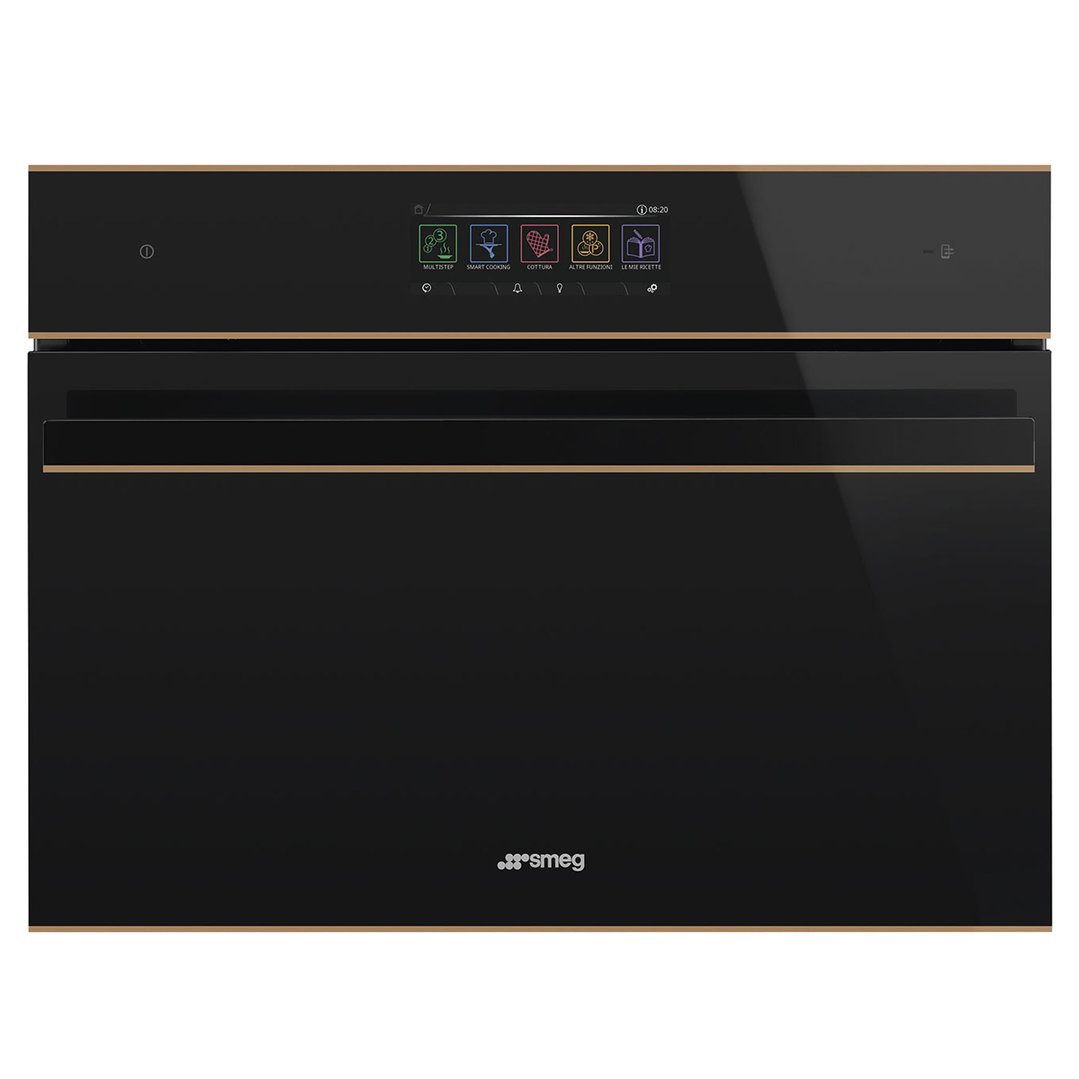
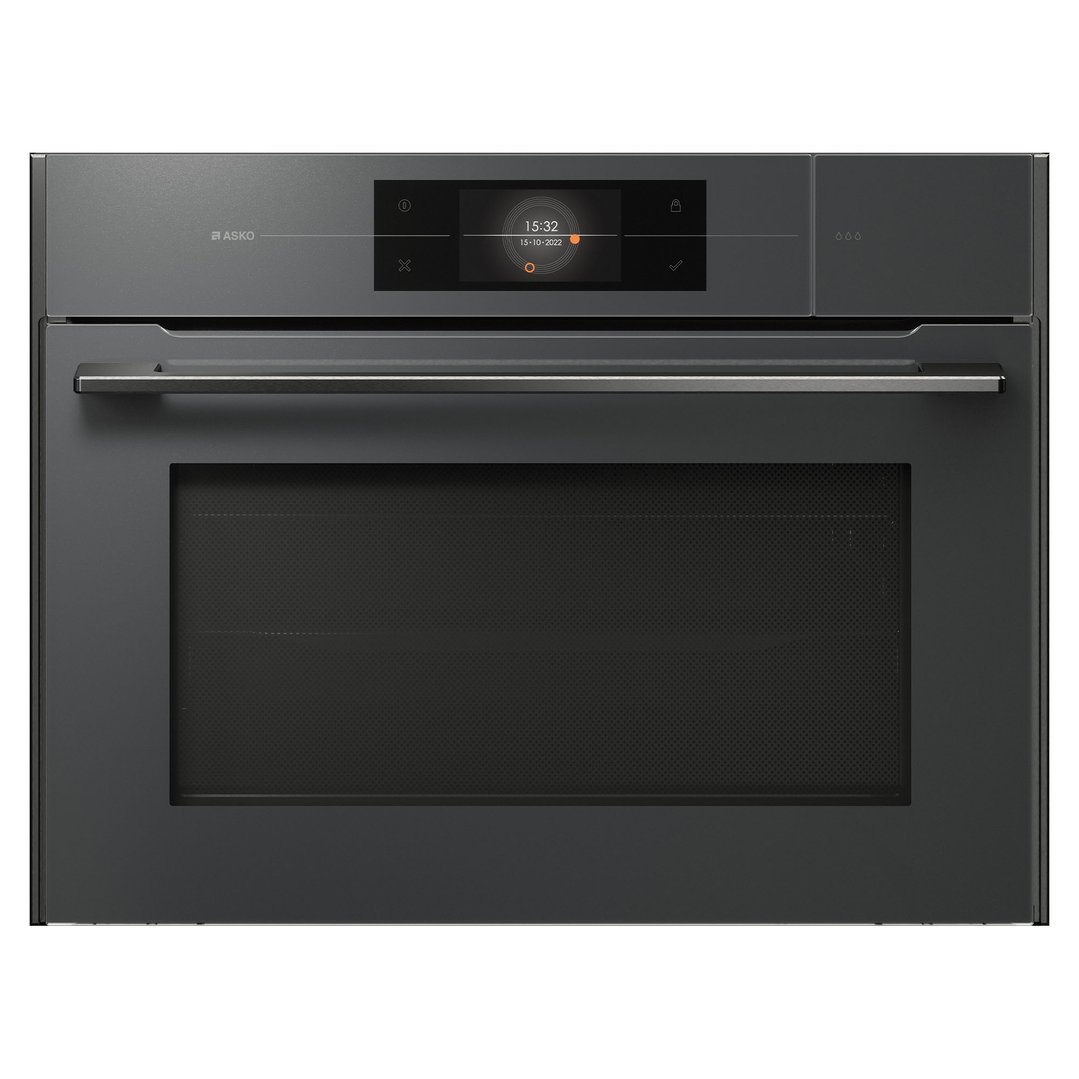
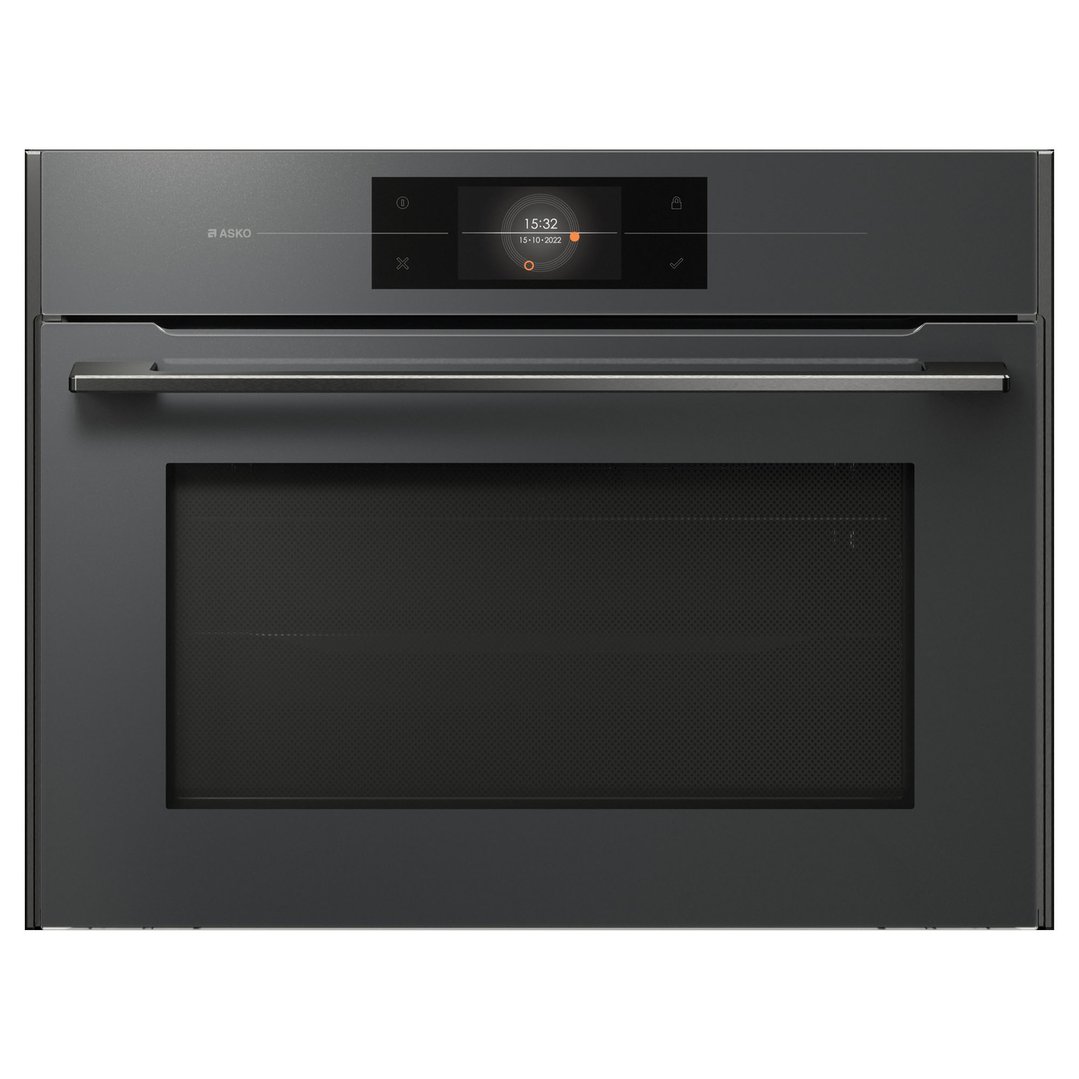

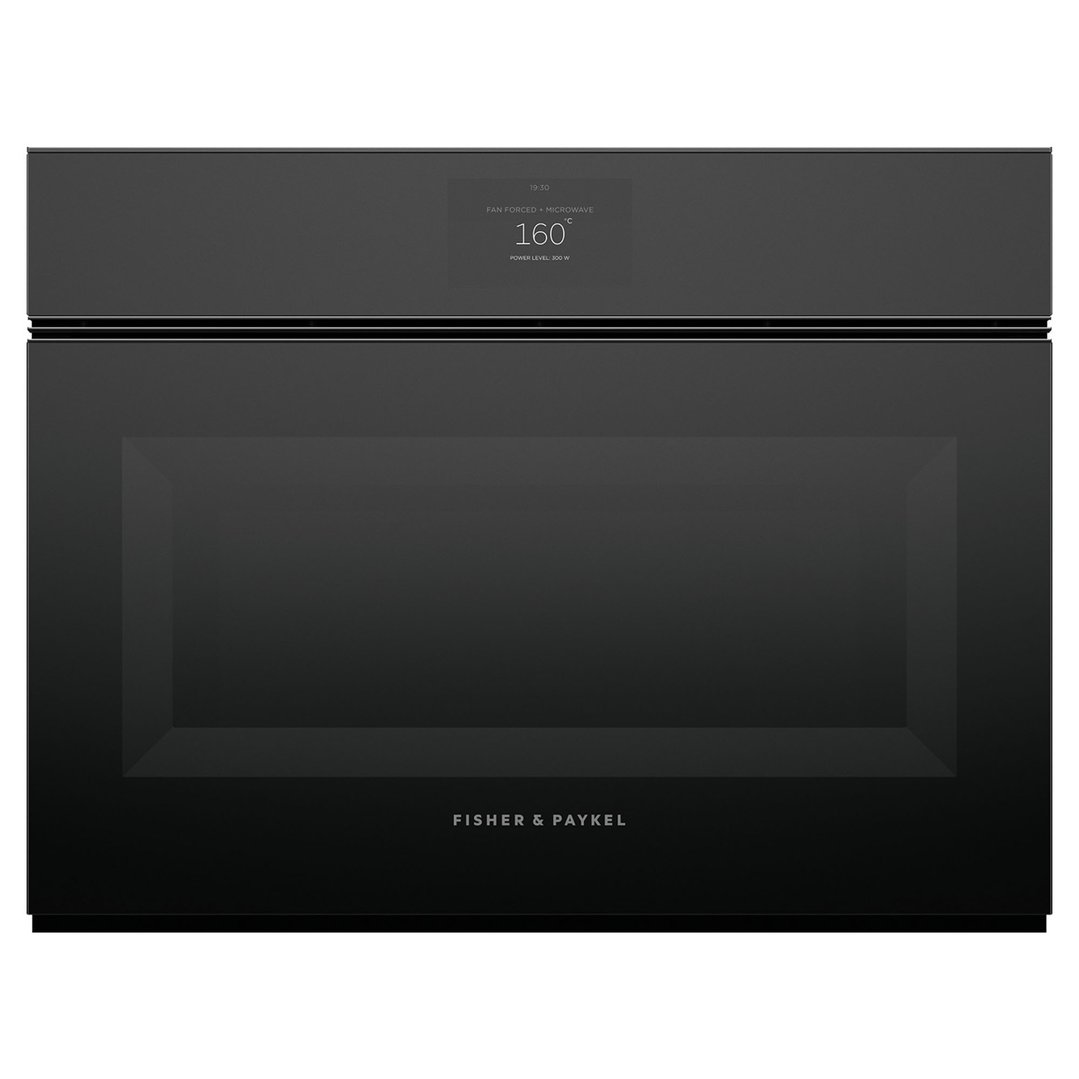
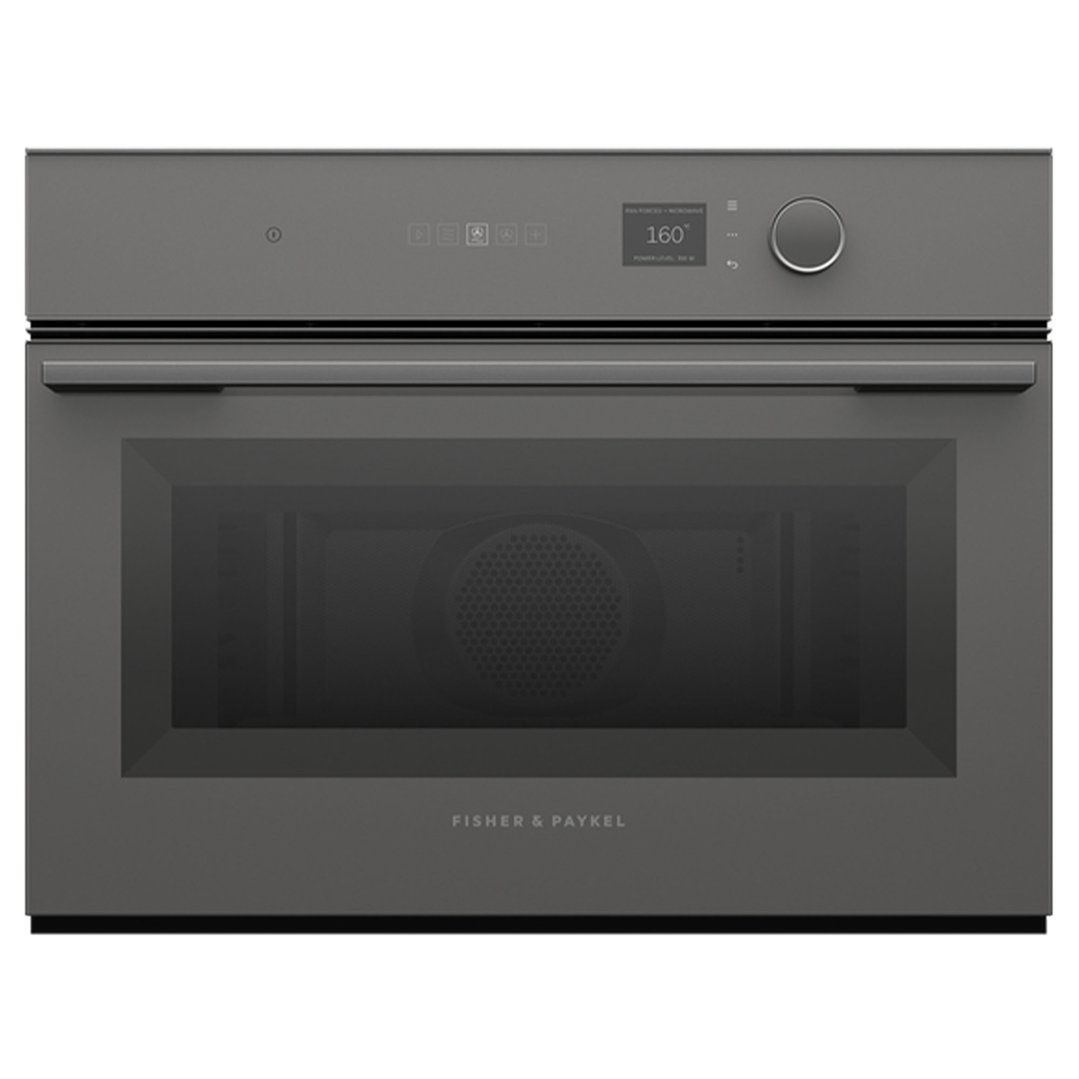
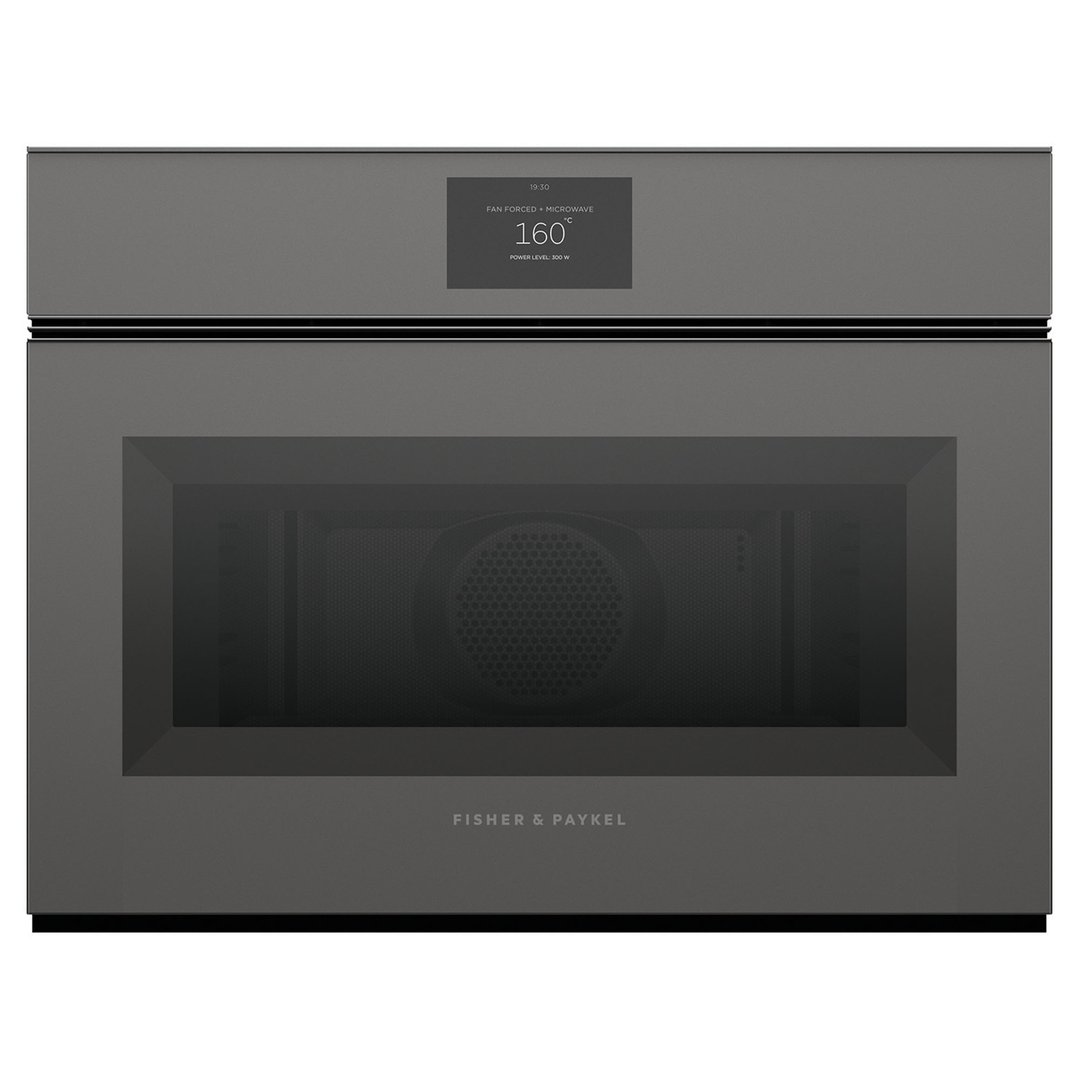
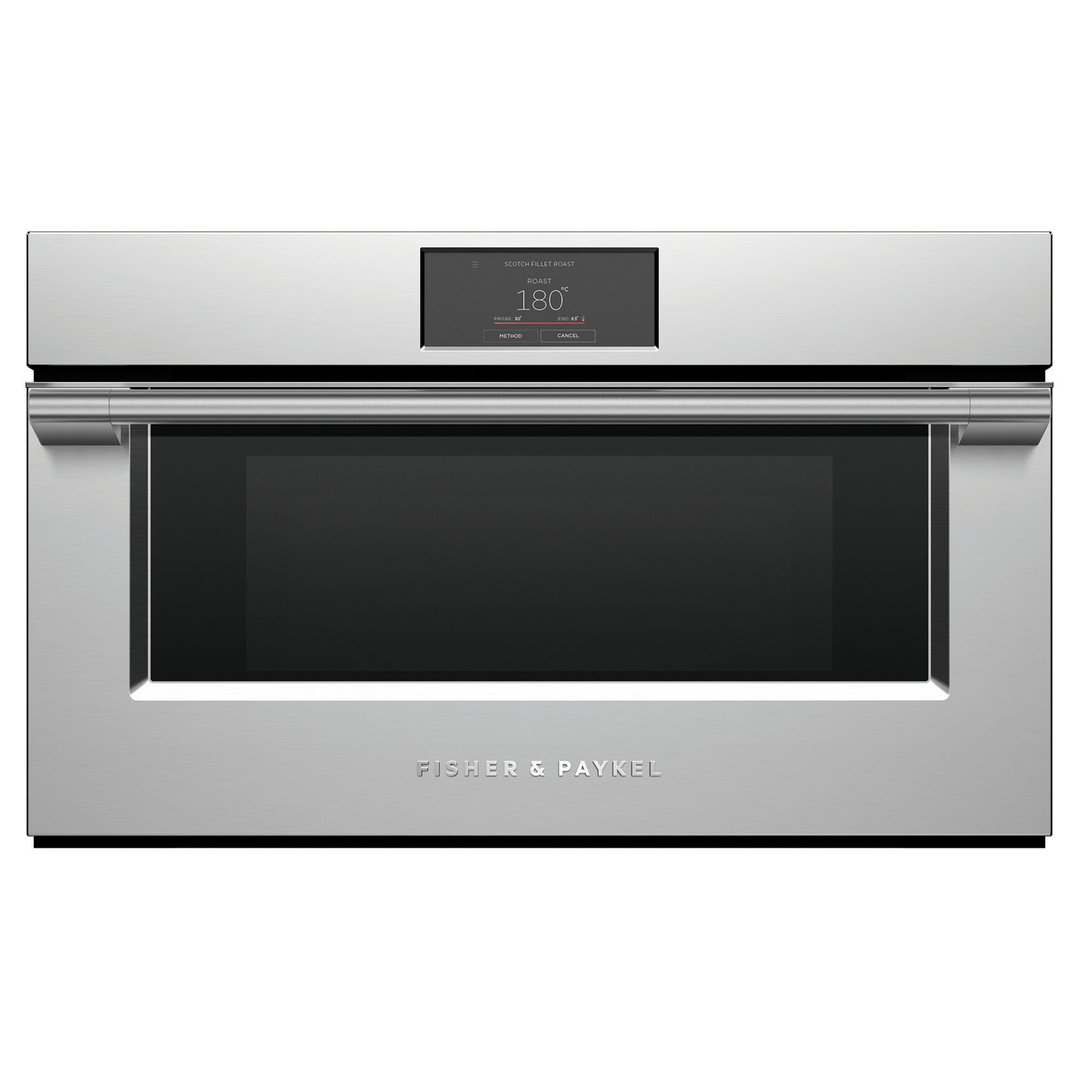
A combi microwave oven does what neither a standalone microwave nor a conventional oven does alone - it combines microwave speed with convection heat and a grill, all in one compact unit. You can defrost, reheat, bake, grill and brown in the same appliance. For households that want a second oven, or for compact kitchens where space is limited, it's a genuinely versatile option. Built-in combi microwave ovens install into cabinetry in the same way as a built-in oven and match the visual profile of other appliances in the same range. They're a different product from a countertop combination microwave - these are dedicated built-in units designed for full integration.
How a Combi Microwave Works
The three main cooking modes are microwave (for speed), convection (circulated hot air for even baking and browning) and grill (direct top heat for crisping). Combination modes use two or three of these simultaneously - microwave plus convection gives faster baking without sacrificing browning. Grill plus microwave crisps the top while heating through quickly.
Wattage matters for microwave performance. Look for 900W or above for adequate speed. Convection temperatures should reach 220-230C minimum for proper baking and pastry work.
Key Features to Look For
Inverter technology: Delivers consistent power output rather than cycling on and off. Food heats more evenly and is less likely to have cold spots. Available on selected higher-end models.
Auto-cook programmes: Pre-set programmes for common foods that automatically select the right combination of modes and time. Reduces guesswork for everyday tasks.
Sensor cooking: Some models detect steam from food to determine when it's cooked, adjusting time automatically.
Size and installation: Most built-in combi models are 45cm high (compact), fitting neatly between a 60cm oven and a warming drawer. Check cutout dimensions carefully against your cabinet plan.
Finish matching: Most brands offer combi microwaves in the same finish options as their built-in ovens, making consistent tower configurations possible.
Luxury Combi Microwave Ovens from the World’s Leading Brands
Discover combi microwave ovens from Bosch, Fisher & Paykel and Smeg, all brands renowned for their engineering excellence and contemporary styling. Whether you’re adding versatility to your main oven or designing a compact cooking zone, these models combine premium finishes with everyday practicality.
Frequently Asked Questions
Q. Can a combi microwave replace a conventional oven?
For smaller households or as a second oven, yes. A quality combi microwave handles baking, roasting and grilling adequately for most day-to-day tasks. The cavity is smaller than a full-size oven, so for large roasts or big batches of baking, a full built-in oven is still the better tool.
Q. Is a combi microwave better than a standard microwave?
It depends on what you need. If you primarily use a microwave for defrosting, reheating and basic warming, a standard microwave at a lower price does the job. If you also want to bake, grill and crisp - and want one appliance rather than two - the combi is the better investment.
Q. At what height should I install it?
Ideally between bench height and eye level - a comfortable reaching height. If installing alongside a full-size oven, placing the combi microwave directly above the oven with the oven at eye level works well. The combi ends up at a natural reaching height and the heavier appliance is at a better ergonomic position.
Q. Do I still need a rangehood with a combi microwave oven?
Yes. A combi microwave installed in cabinetry doesn't ventilate your cooktop. You still need a separate rangehood to extract steam and cooking vapours from the cooktop surface.
Q. Can I bake in a combi microwave oven?
Yes - baking is one of the main reasons households choose a combi over a standard microwave. In convection mode, the unit circulates hot air in the same way a conventional oven does, so cakes, slices, muffins and biscuits all come out properly baked rather than steamed. For most everyday baking, the results are comparable to a full-size oven. The main limitation is cavity size - at 40-45 litres, you're working with less space, so a large sponge in two tins or a full batch of biscuits may need to be done in stages. Where a combi microwave earns its place in baking is combination mode: microwave plus convection together cuts baking time noticeably without sacrificing the browning you'd expect from dry heat alone.
Q. How much power does a combi microwave oven use?
A built-in combi microwave draws from two power sources: the microwave element (typically 800-1000W) and the convection heating element (usually 1800-2200W). When running in combination mode with both active simultaneously, total draw can reach 2800-3200W. This is comparable to a standard electric oven. Most models run on a standard 10A household circuit, but check the product specification - some higher-output models require a dedicated 15A circuit, particularly if they include a grill element as well. For everyday reheating and defrosting in microwave-only mode, consumption is similar to a standard microwave at 800-1000W.
Browse built-in ovens, steam ovens and warming drawers to complete your cooking tower. Whether you’re planning a complete kitchen makeover or simply seeking the perfect replacement, our team is here to join you on the journey. Book a consultation or visit our Signature Appliances showroom to experience our range in person and find the ideal fit for your home.