Downdraft Rangehoods
Experience the innovation of Downdraft Rangehoods at Signature Appliances. These appliances provide a unique ventilation system which draws kitchen fumes and odours from units that rise from behind the cooking area. A sophisticated, elegant solution, our range is produced by leading manufacturers to ensure best performance.

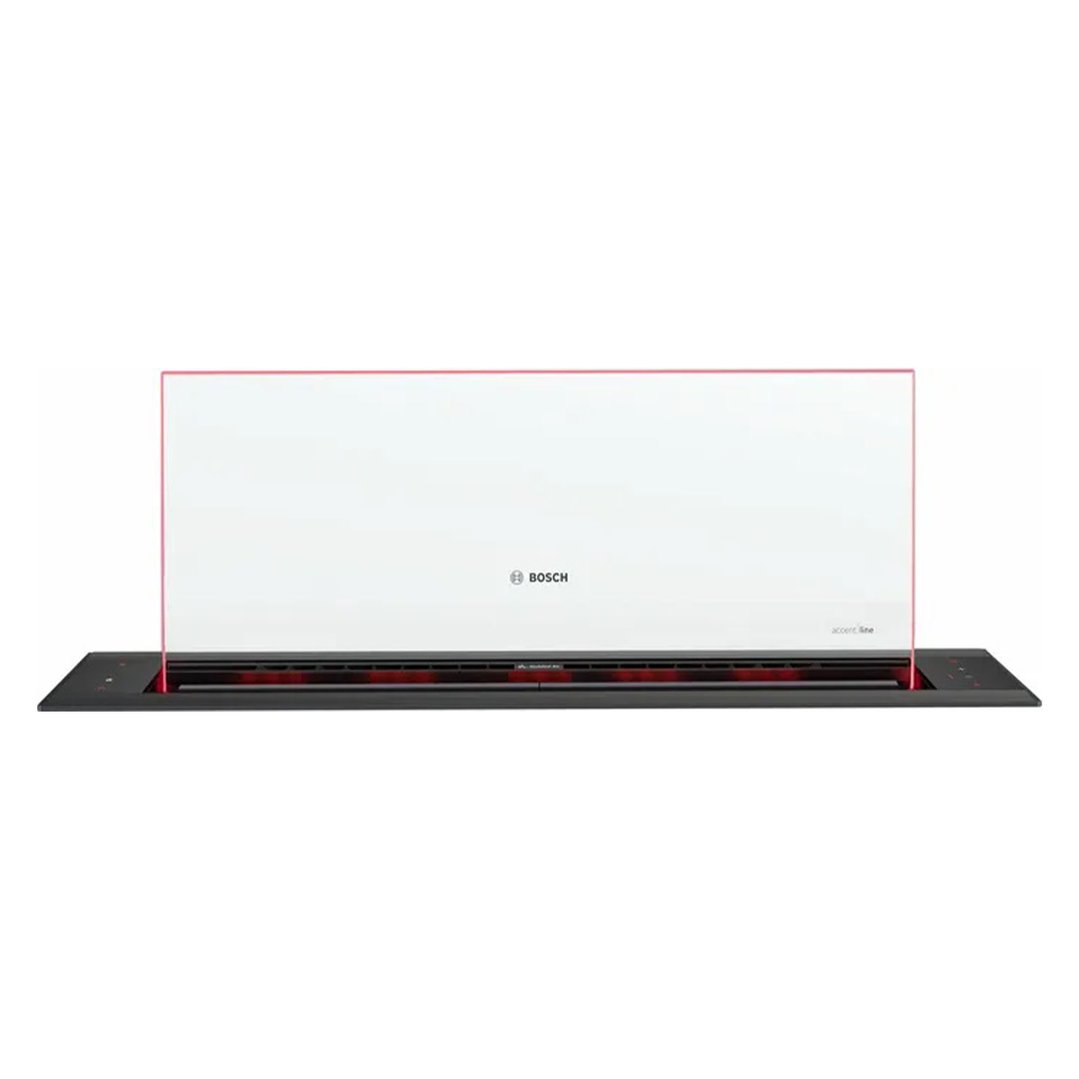

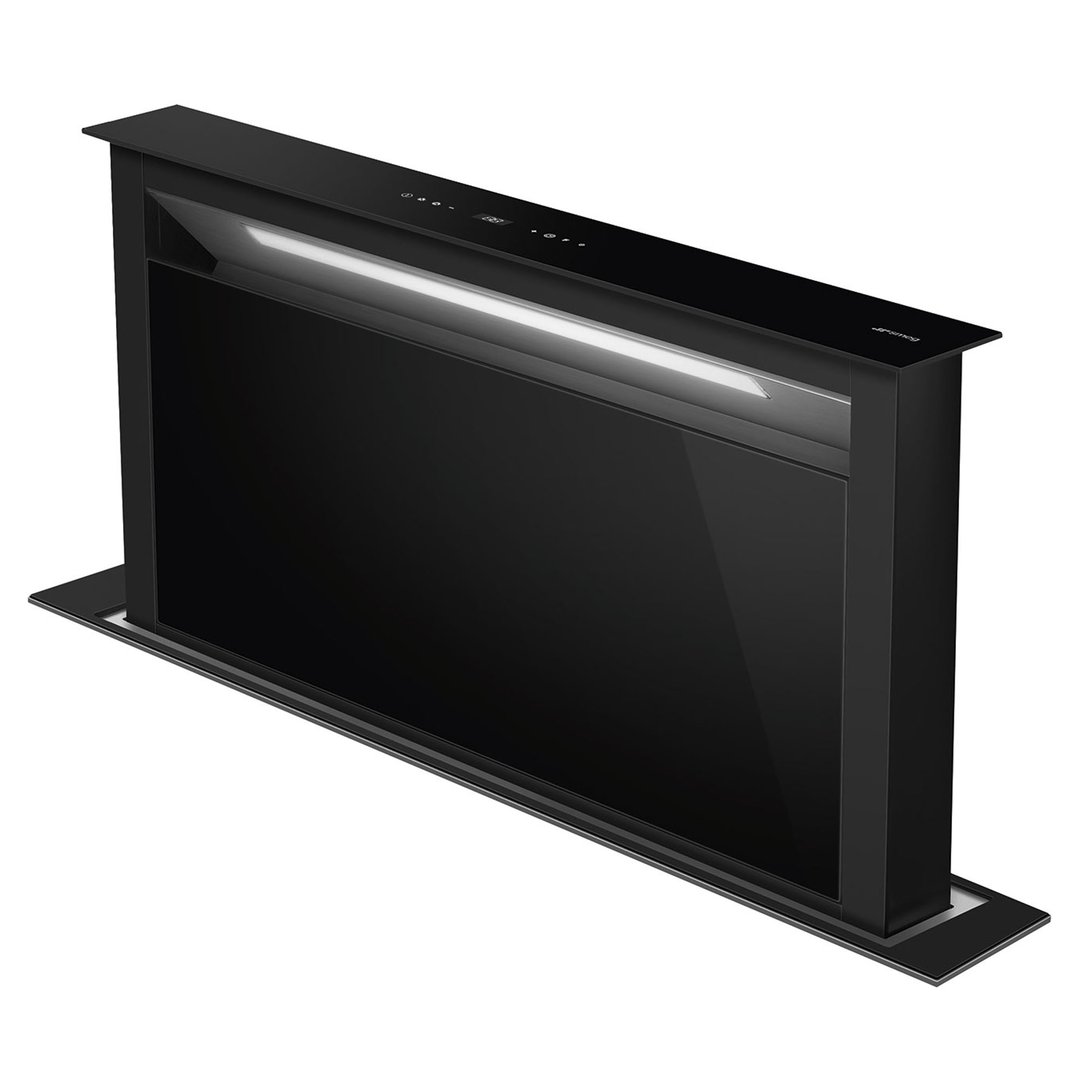

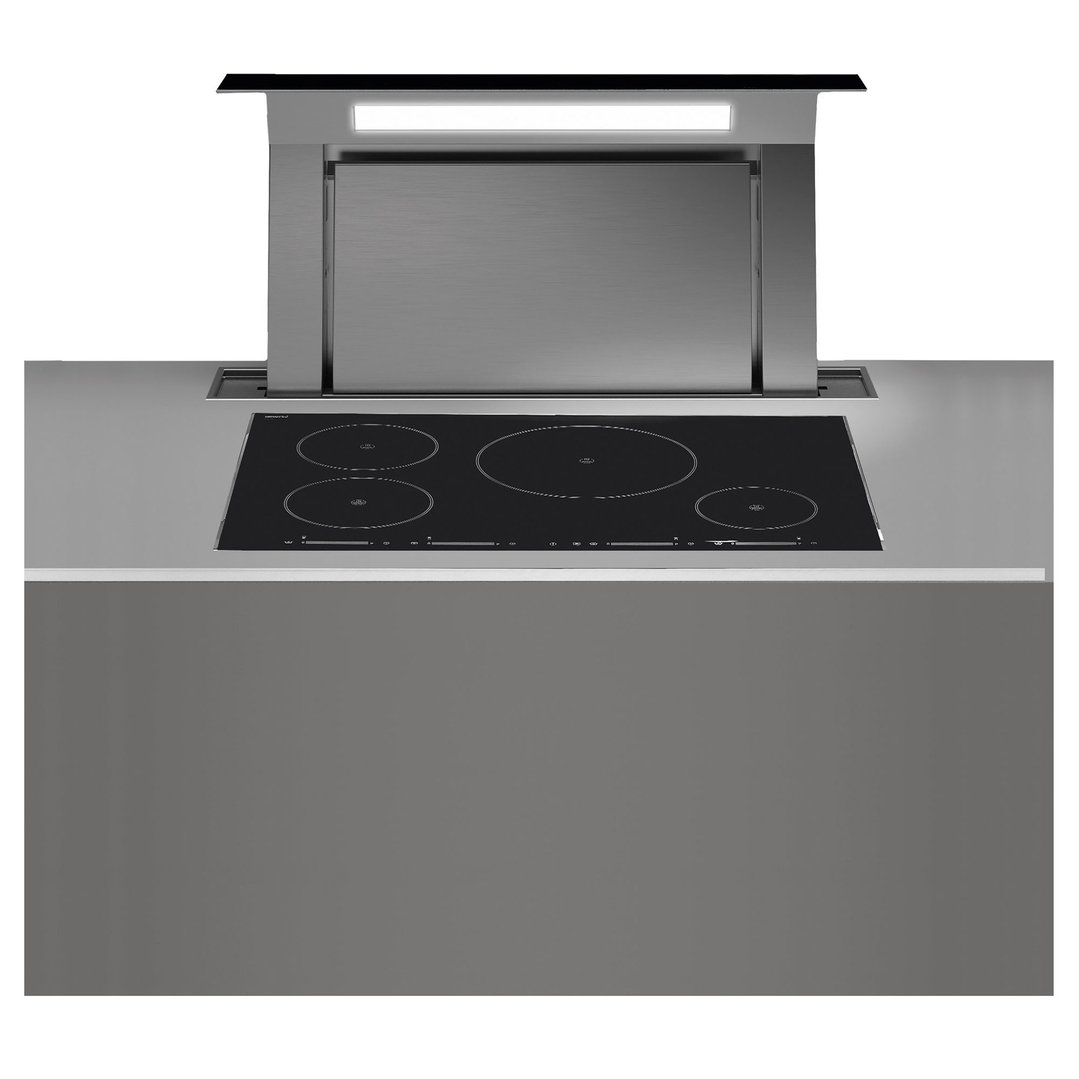

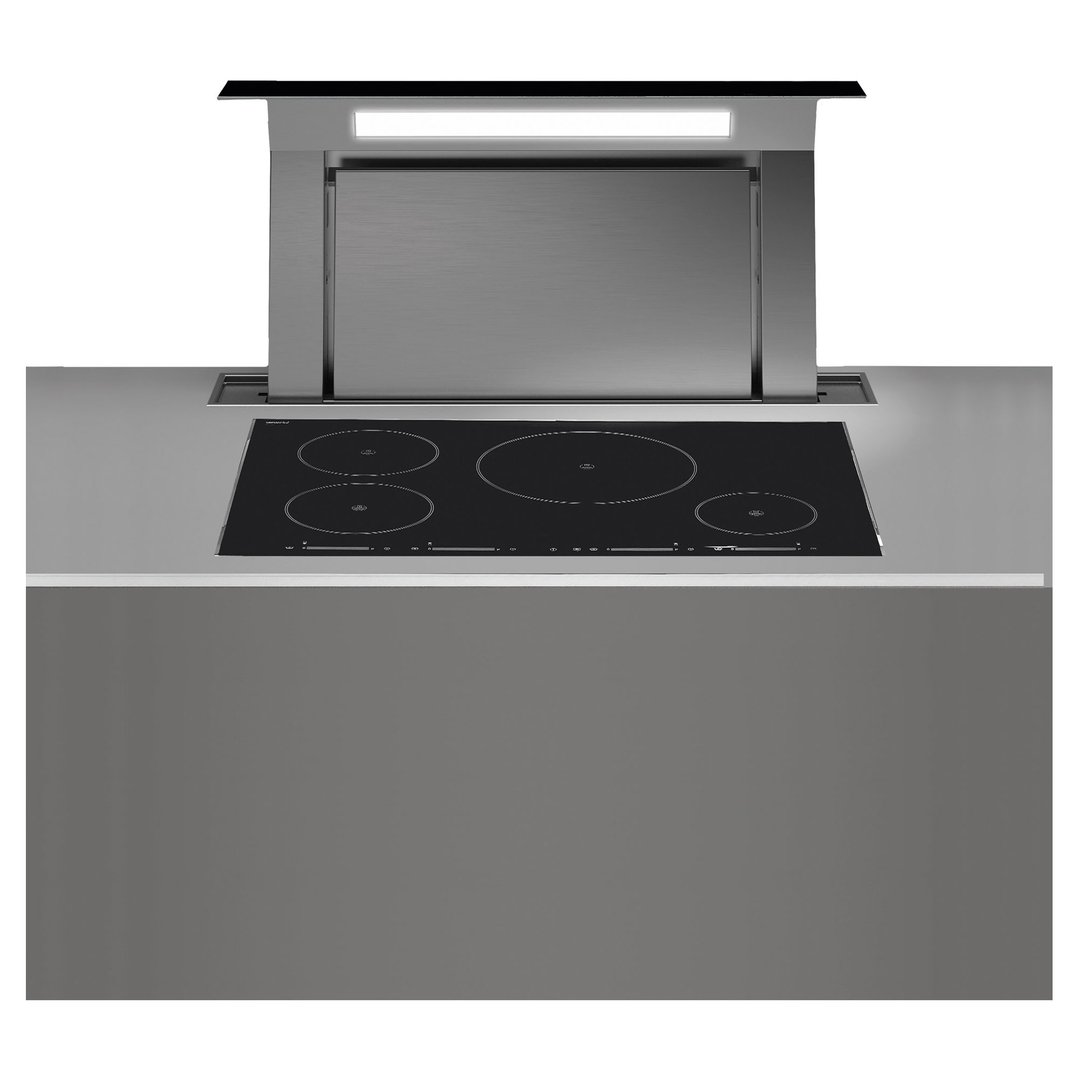
A downdraft rangehood extracts cooking vapours downward rather than upward. Instead of an overhead hood, a panel rises from the benchtop behind the cooktop (or integrates into the cooktop itself) and uses powerful fans to draw air horizontally and then downward through ducting beneath the benchtop. The appeal is spatial: no overhead cabinetry, no ceiling penetration, no pendant hood. The cooking space above remains completely open. This is particularly valuable for island bench configurations where the overhead options are either complex (ceiling-mounted) or visually dominant (island rangehood).
At Signature Appliances, we curate the finest selection of downdraft rangehoods for those who demand both absolute functionality and design purity.
How Do Downdraft Rangehoods Work?
Downdraft extraction works against physics to some degree - heat and vapour naturally rise, so a downdraft system needs to work harder than an overhead hood for equivalent results. High-output cooking (particularly very high-heat gas or wok cooking) at the rear of the cooktop can partially evade the extraction path.
For induction-based cooking and typical domestic heat levels, modern downdraft systems from brands like Bosch, Falmec and Smeg are fully adequate. The performance gap compared to overhead extraction is most noticeable at the extremes of cooking intensity.
Key Features to Look For
Rise height: A taller rise panel captures vapours more effectively. Look for panels that extend at least 400-450mm above the cooktop surface.
Extraction capacity: Downdraft systems need higher motor capacity than overhead equivalents to compensate for extraction direction. Look for 700-900 m3/h minimum for a 60cm-wide unit.
Ducting route: Ducting passes through the benchtop and cabinetry below, then out through the kickboard or floor. This must be designed into the kitchen at the planning stage - retrofit is more complex.
Recirculation option: Some models offer recirculation where external ducting isn't possible. Carbon filters are required and need regular replacement.
Auto-raise: On some models the panel rises automatically when the cooktop is activated and lowers when cooking stops. A convenient feature where it's available.
Frequently Asked Questions
Q. Is a downdraft rangehood as effective as an overhead rangehood?
For most home cooking on induction or ceramic cooktops, a quality downdraft system is effective. For high-output gas cooking - particularly wok cooking at maximum burner output - overhead extraction has a clear physics advantage. If gas at high heat is a priority, consider a cooktop with integrated rangehood or an island rangehood instead.
Q. Can I install a downdraft rangehood in an existing kitchen?
Yes, but the benchtop and cabinetry need to accommodate the duct path. In a full renovation this is straightforward to plan for. As a retrofit, the main challenge is routing the duct through or under the cabinetry to an external exit. Usually possible, but requires a site assessment.
Q. Do I need a specific cooktop configuration?
Not always - some downdraft rangehoods are standalone units that work with a variety of cooktops. Others are integrated into the cooktop itself (see cooktops with integrated rangehoods). Check compatibility carefully when specifying both appliances together.
Q. How do I choose the best downdraft rangehood for my kitchen?
Choosing the best downdraft rangehood involves assessing several key factors tailored to your cooking habits and kitchen layout. Firstly, consider the extraction power, measured in cubic metres per hour (m³/hr). For effective ventilation, the unit should be powerful enough to handle the size of your cooking space and the intensity of your cooking (e.g., wok cooking requires higher power). Secondly, look at the size and width; the in bench rangehood should ideally cover the width of your cooktop. Thirdly, noise levels are important, especially in open-plan homes; look for models with lower decibel ratings at maximum fan speed.
Q. Are downdraft rangehoods loud?
Modern downdraft rangehoods are generally designed for quiet operation, especially compared to older, more powerful traditional units. The noise level of a pop up rangehood is significantly influenced by its motor quality and the quality of the ducting installation. Look for models that offer specific low-noise settings for everyday cooking and note the decibel rating (dB) provided in the product specifications.
Q. How do I maintain the air filters in a downdraft rangehood?
Maintenance for a downdraft rangehood is straightforward. Most units utilise metal grease filters that trap airborne fats and can be easily removed. For best performance, these filters should be cleaned regularly, typically every 3 to 6 weeks. They are usually dishwasher-safe, making the process simple. If your unit is set up for recirculation (not ducted), you will also have charcoal filters which must be replaced periodically as they cannot be cleaned.
Compare with island rangehoods, ceiling-mounted rangehoods and cooktops with integrated rangehoods to find the perfect fit. Whether you’re planning a complete kitchen makeover or simply seeking the perfect replacement, our team is here to join you on the journey. Book a consultation or visit our Signature Appliances showroom to experience our range in person and find the ideal fit for your home.