Inspired Living
What is a Drying Cupboard? The Key to Eliminating Fabric Damage and Dry Cleaning Stress

Last updated: 20th April 2026
Some garments simply don't belong in a tumble dryer. Yet dry cleaning is expensive, slow and not always convenient - and draping your favourite merino over a clothes horse isn't a long-term solution. A drying cupboard is the answer many wardrobes have been missing: a premium laundry appliance that cares for the garments you value most, on your schedule, at home. This guide explains what a drying cupboard is, how it works and whether it's the right addition to your home.
Skip to
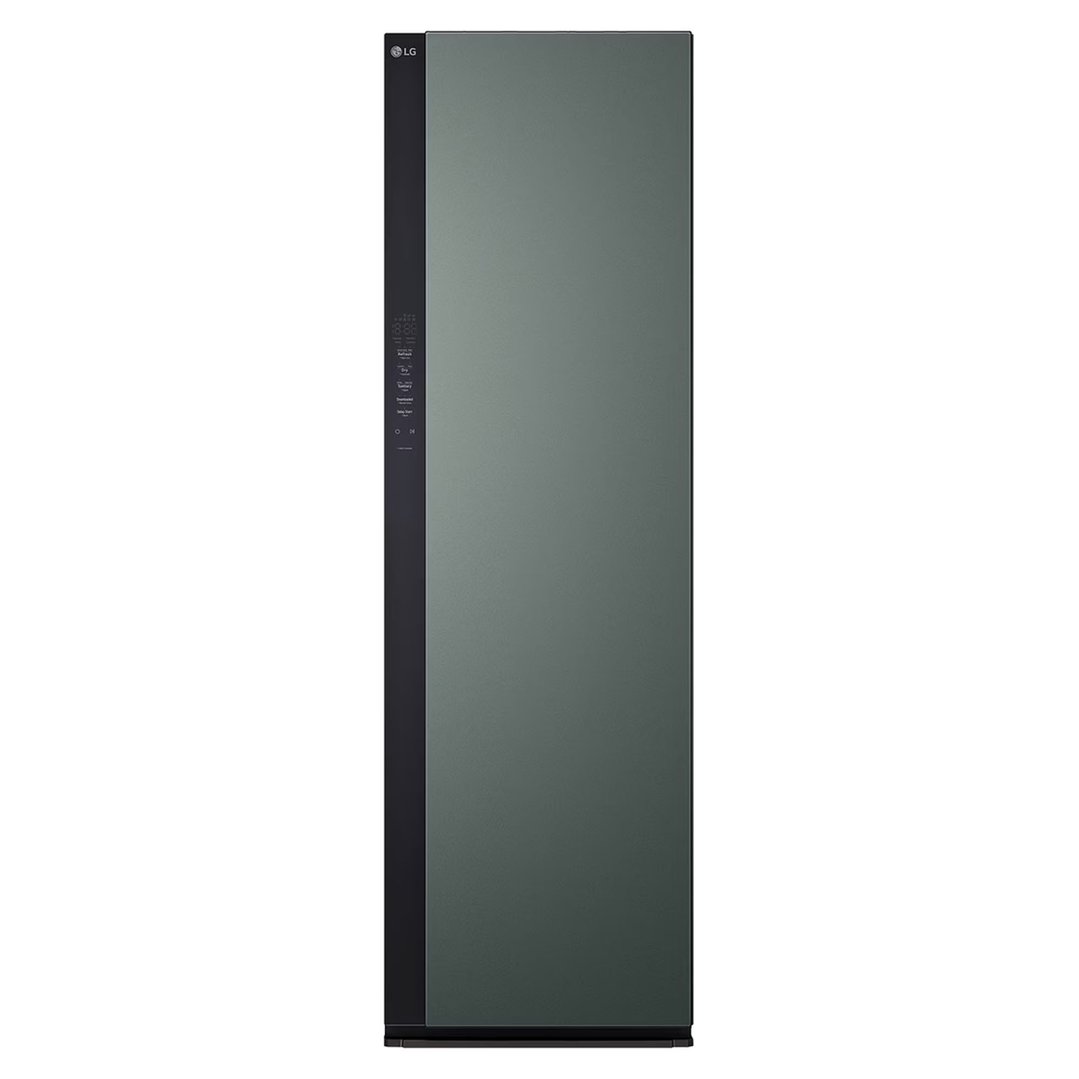
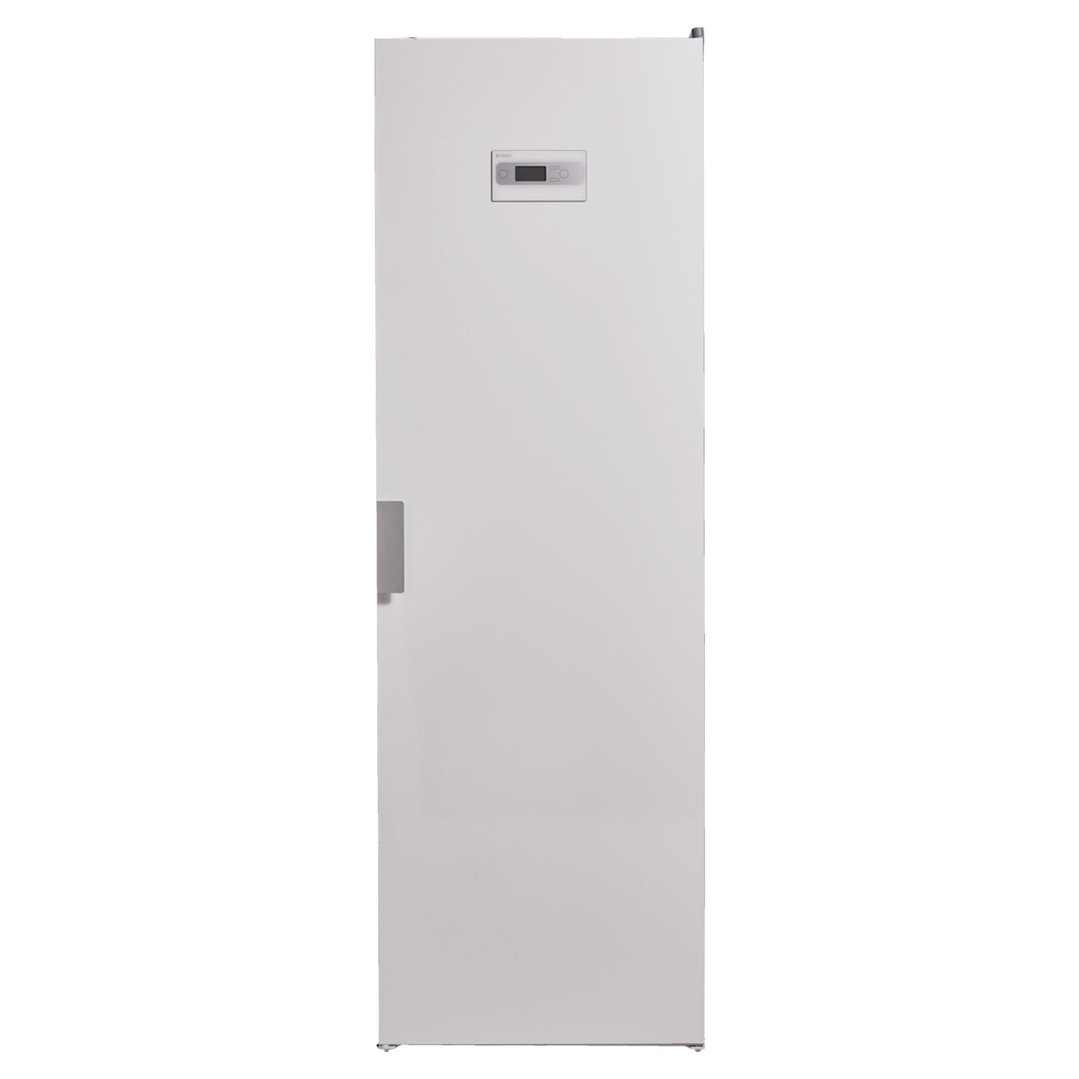
A drying cupboard - also called a drying cabinet or garment care cabinet - is an upright, enclosed appliance that uses warm air circulation to gently dry, refresh and de-wrinkle clothing. Garments hang inside on a rail rather than tumbling in a drum, which means no agitation, no mechanical stress on fibres and no risk of shrinkage from the movement itself. Depending on the model, a drying cabinet may handle wet garments only, or also offer a steam function for refreshing clothes that are dry but need reviving. More on that distinction below.
The format has its roots in Scandinavia, where drying cabinets have been a laundry staple for decades. They're standard in many Nordic homes precisely because the climate demands a smarter solution for delicates than outdoor drying. That same practicality is now gaining traction in Australian premium laundry design - and brands like ASKO and Fisher & Paykel, both stocked at Signature Appliances, have refined the category significantly.
A drying cabinet doesn't compete with your tumble dryer - it handles the garments your tumble dryer can't. Everyday loads of cotton, towels and bedding still belong in the drum. The cabinet takes everything else: the pieces with care labels that stop you short, the garments you've been treating with more caution than confidence.
| Drying Cabinet | Tumble Dryer | |
|---|---|---|
| Method | Garments hang stationary; warm air circulates around them | Drum tumbles garments in heated air |
| Heat level | Low and gentle; no shrinkage risk from heat alone. 30–40°C on delicate programmes; 60°C maximum | Higher heat; risk of damage to delicates on the wrong setting. 57–71°C on a standard cycle; average around 60°C |
| Best for | Wool, silk, suits, leather, shoes, outerwear, structured garments | Cotton, towels, bedding, everyday mixed loads |
| Drying time | 1.5 to 4 hours depending on garment and setting | 45 to 90 minutes for typical loads |
| Replaces dry cleaning? | Partially — steam refresh reduces the need for professional cleaning | No |
If your wardrobe includes pieces labelled 'do not tumble dry' - wool knitwear, tailored jackets, silk, leather - a drying cabinet is what fills that gap. Used together, they form a complete laundry system.
A drying cabinet's primary role is exactly that: drying. Wet garments that can't go in the tumble dryer go in here, where gentle warm air circulates until they're ready to wear. A steam cabinet, by contrast, is primarily a refreshing tool. It uses steam to release wrinkles and neutralise odours from garments that are already dry but need reviving. Think suits after travel, or a winter coat that's spent a season in storage.
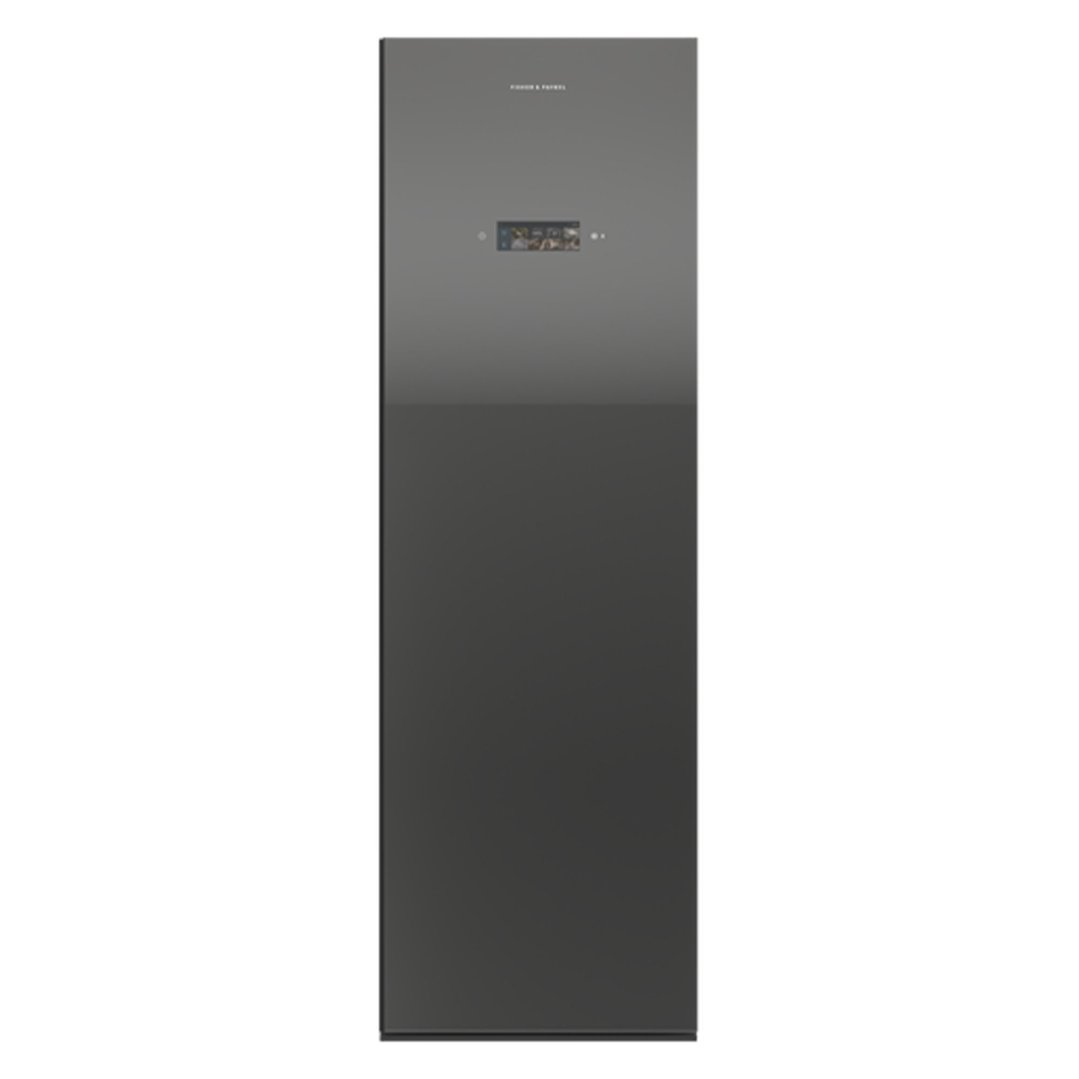
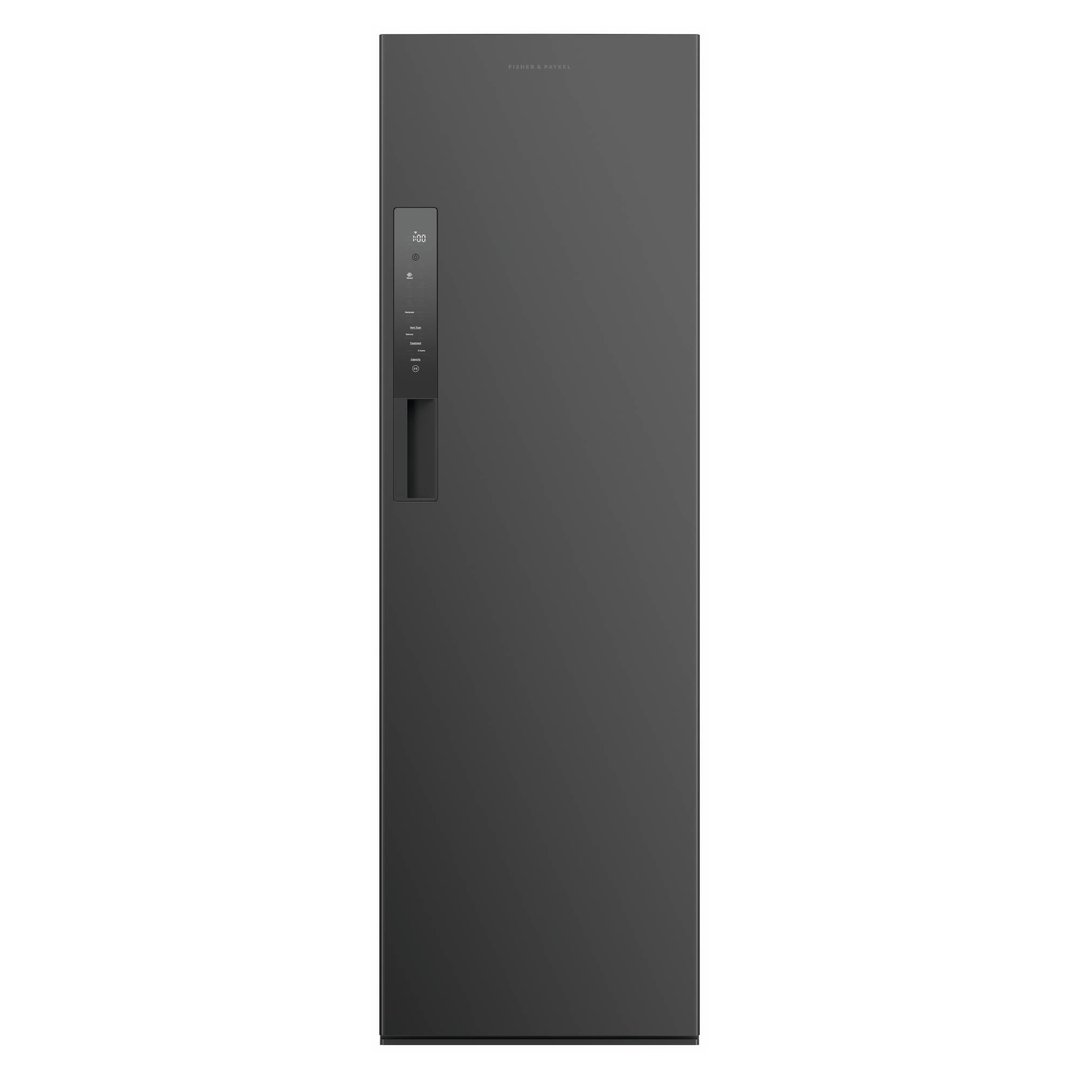
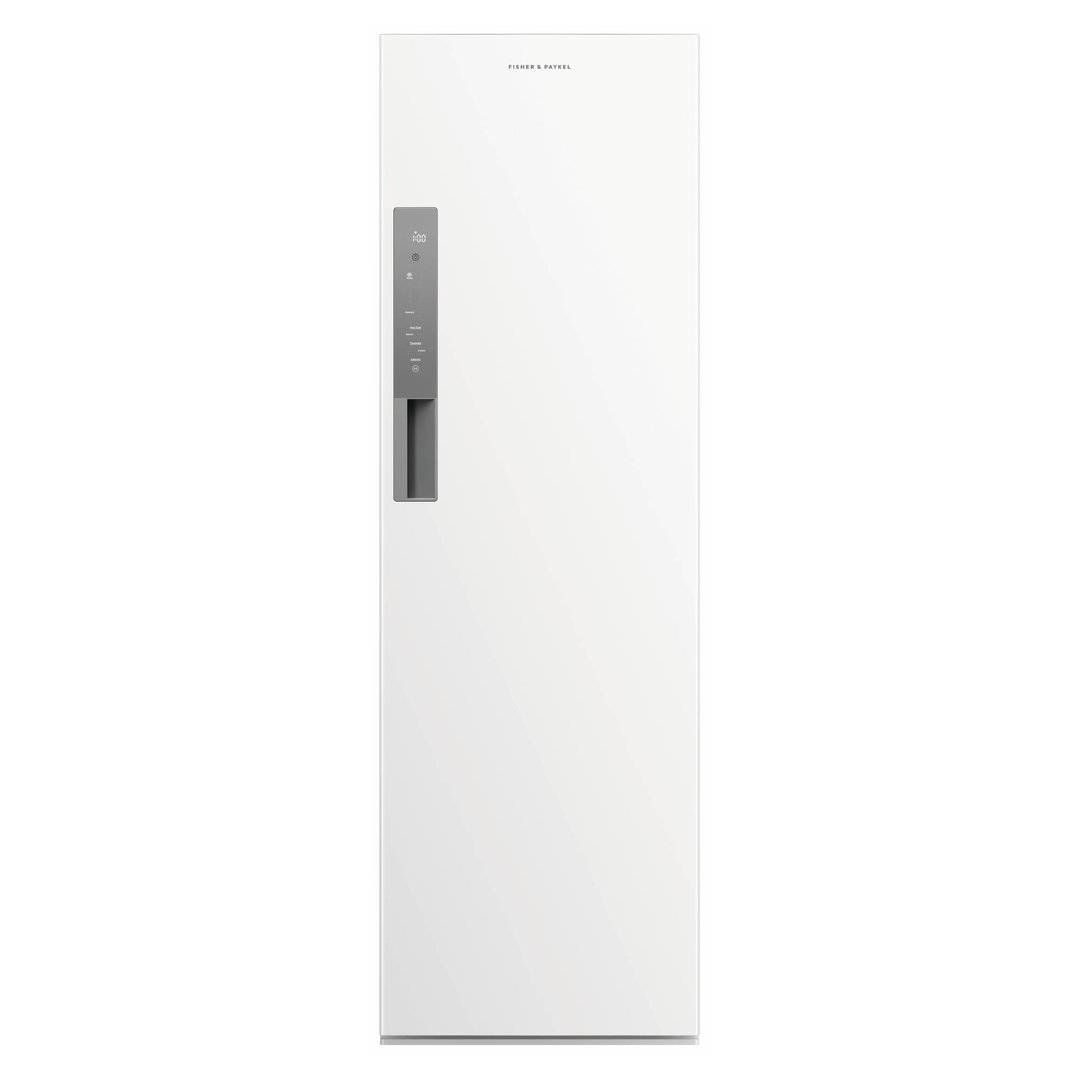
Many premium models combine both functions, and that's where the real value lies. At Signature, the drying and steam cabinets from ASKO and Fisher & Paykel typically offer drying, steam refresh, deodorising and sanitising in a single unit - so you're not choosing between the two modes, you're getting both.
If you primarily need to dry delicate garments after washing, a drying-only cabinet may serve you well. If you want one appliance that handles everything from wet knitwear to a rumpled linen shirt, look for a combined unit.

The simplest way to think about it: if the care label says 'do not tumble dry', the drying cabinet is where that item belongs. In practice, that covers a broader range than most people expect.
Items well suited to a drying cabinet:
Wool knitwear and merino - retains its shape without the risk of felting or stretching
Silk blouses, dresses and other delicate fabrics
Tailored suits, blazers and structured jackets
Leather and suede pieces that can't handle high heat or drum movement
Activewear and technical fabrics, including running gear and base layers
Shoes, boots, gloves and other accessories
Rainwear, ski gear and insulated outerwear
Soft toys and cushions that need careful drying after washing
Garments worn once that don't need a full wash but could do with a steam refresh
A note on what to avoid: heavily soiled items should go through a wash cycle before using the steam function. Very bulky items may not fit depending on the model, so it's worth checking internal dimensions against what you plan to use it for.
In the Australian market, drying cabinets range from around $2,400 for a vented model through to $5,000+ for larger, combined steam and heat pump units. That's a meaningful purchase, but weighed against years of dry cleaning bills and the cost of replacing damaged garments, the calculation shifts quickly for anyone with a wardrobe that includes tailored, wool or delicate pieces.
Choose a drying cupboard if:
You spend regularly on dry cleaning and want a long-term way to reduce that cost - the steam function alone can meaningfully cut how often structured pieces need professional cleaning
You live somewhere where outdoor drying isn't reliable year-round, which describes most of Australia for at least part of the year
You want to extend the life of your wardrobe - gentler care over time means less fabric wear, less colour fade and better-fitting clothes for longer
You're designing a premium laundry and want a complete garment care setup alongside your washer and dryer
It's genuinely less essential if your entire wardrobe goes in the tumble dryer without complaint and you don't own delicate or tailored pieces. But for anyone who does, the calculation changes quickly.
At Signature Appliances, we help clients find the right garment care solution for their home and wardrobe. Here's what makes the most difference.
1. How you actually do laundry
Think about your current routine, not an idealised one. If suits and structured jackets rarely get washed but need freshening regularly, a steam function matters. If your priority is simply drying wool knitwear and activewear after washing without the drum, a drying-only model may be all you need. The gap between those two use cases is real - and it affects which models are worth looking at.
2. Capacity and what you'll actually put in it
Consider the garments and items you're most likely to use it for, and check that the internal capacity works for them. A household with heavy suits, ski gear and boots has different requirements from one primarily drying knitwear and silk. Some models also come with accessory options - shoe racks, specific garment hangers - that are worth factoring in.
3. Installation requirements
Drying cabinets typically require a standard power outlet and enough space for adequate ventilation. Heat pump models have lower ventilation requirements and can work in more confined spaces - worth confirming with a specialist before committing to a location, particularly if your laundry is compact.
4. Integration with your laundry design
If you're planning a new laundry or renovating, consider how the cabinet sits within the overall layout. Many models are designed to stack with or sit flush alongside adjacent cabinetry, so checking dimensions early in the planning process saves complications later.
5. Brand and warranty
Premium brands engineer their fabric care cabinets for longevity, with warranties that reflect that confidence. This is an appliance you'll use for years. The quality of the build and the availability of after-sales support matter more than they do for a smaller purchase.

If you're still working out whether a drying cupboard is right for your home - or which model fits your wardrobe and your space - Signature Appliances specialists can help. We carry drying and steam cabinets from a variety of premium brands, and our team knows the range in detail.
Browse our drying and steam cabinets online, then come into a showroom to see the appliances in person. It's a different thing entirely to open a cabinet, feel the build quality and talk through your specific needs with someone who uses this category every day.
Have more questions about drying cupboards? Book an appointment with one of our specialists.




Can a drying cupboard replace dry cleaning?
Not entirely, but it can significantly reduce how often you need it. The steam refresh function removes light odours and wrinkles from garments that aren't soiled - meaning many pieces you'd previously send to the dry cleaner can be refreshed at home instead. For heavily soiled or structured garments that need professional pressing, dry cleaning remains the right choice.
How long does a drying cabinet take?
Drying times typically range from 1.5 to 4 hours depending on the garment type, fabric thickness and selected cycle. Steam refresh cycles are generally shorter - around 20 to 40 minutes. While slower than a tumble dryer, the gentle process is precisely what protects delicate fabrics.
Can I use a drying cupboard every day?
Yes. Drying cabinets are built for regular use and work well as part of a daily laundry routine. They're particularly practical for households with children's uniforms, activewear or garments that need frequent but careful drying.
Do drying cabinets use a lot of electricity?
Heat pump models are significantly more energy-efficient than vented or condenser alternatives. If energy efficiency is a priority, heat pump technology is worth specifying - check the energy rating label when comparing models.
What is the difference between a drying cabinet and a fabric care cabinet?
'Fabric care cabinet' is the term used by some manufacturers - notably Fisher & Paykel - for their premium combined units. These typically offer drying, steam refresh, deodorising and sanitising in a single appliance. A drying cabinet in its simplest form refers to the warm-air drying function only. In practice, the terms often overlap, and a conversation with a specialist is the clearest way to understand what a specific model offers.
Explore our full range of drying and steam cabinets or visit our laundry category to see what a complete garment care setup looks like.