Rangehoods
The rangehoods at Signature Appliances match style to performance ensuring your kitchen remains a hygienic, effective, and inspirational living space. Choose from canopy, under cupboard, slide out, wall mounted, ceiling mounted, and downdraft models sourced from leading brands at the cutting-edge of rangehood design. With our commitment to offering all our customers the best products for their unique requirements, you’ll find a ventilation solution just right for you.

was $649 you
pay $588Ends in 18 Days





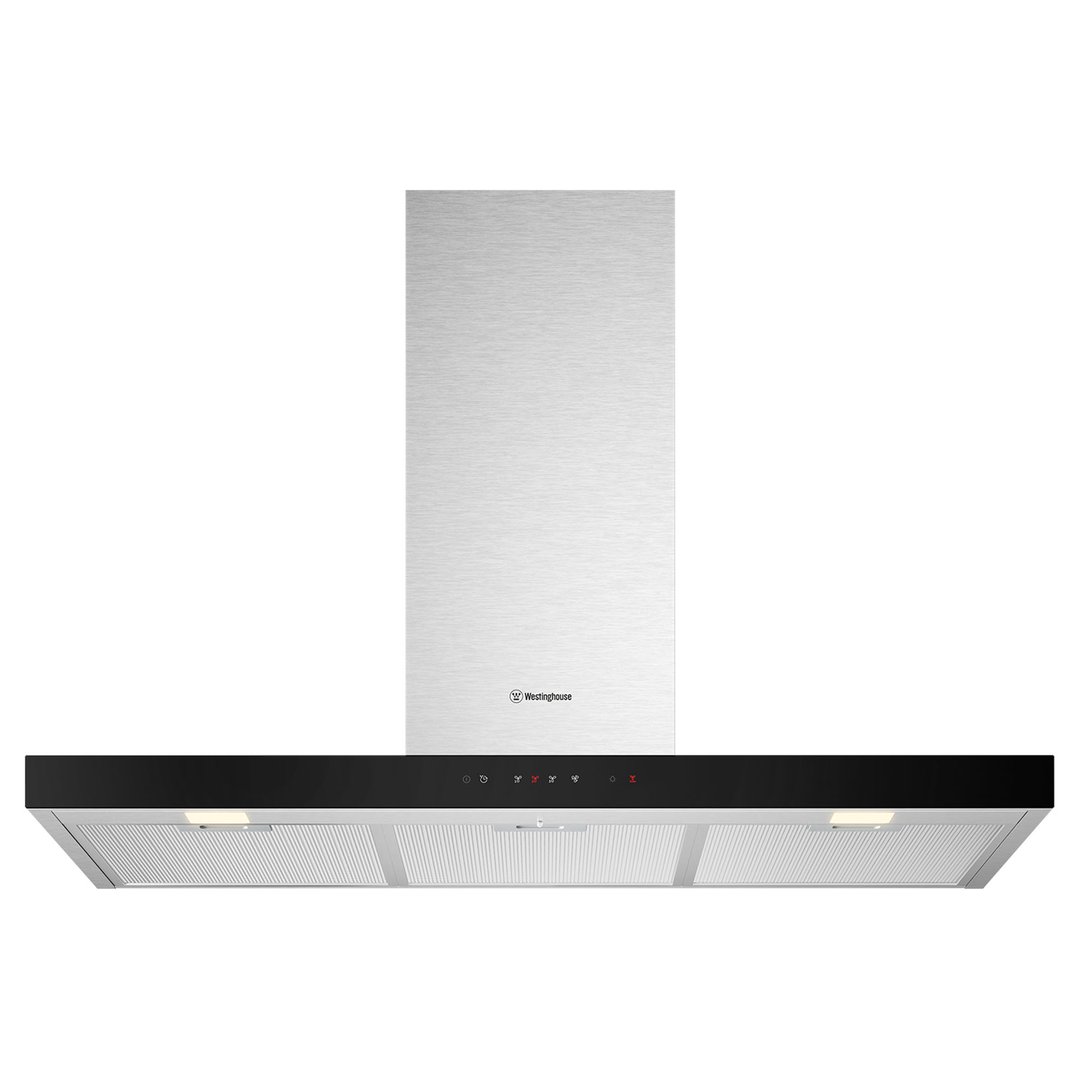


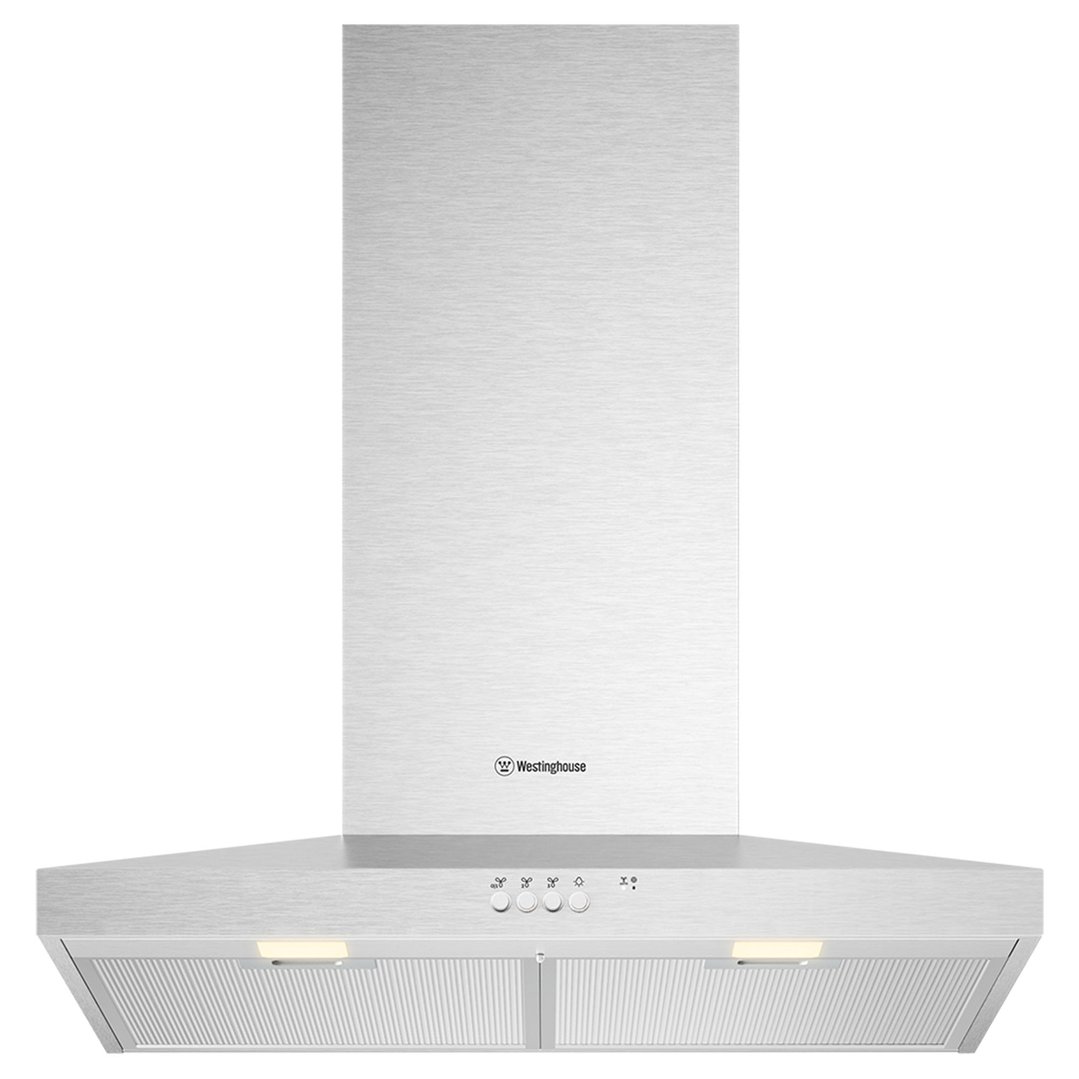

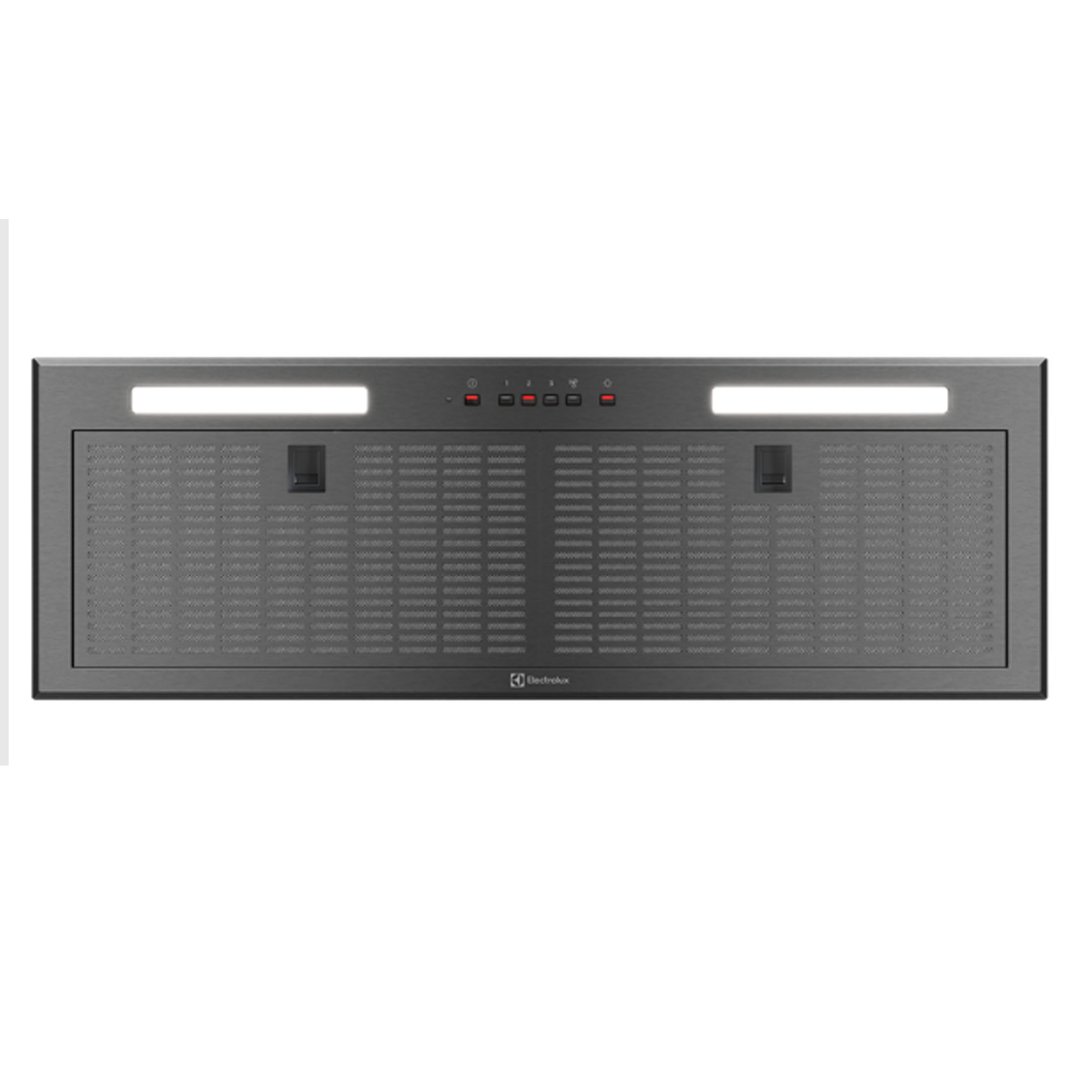
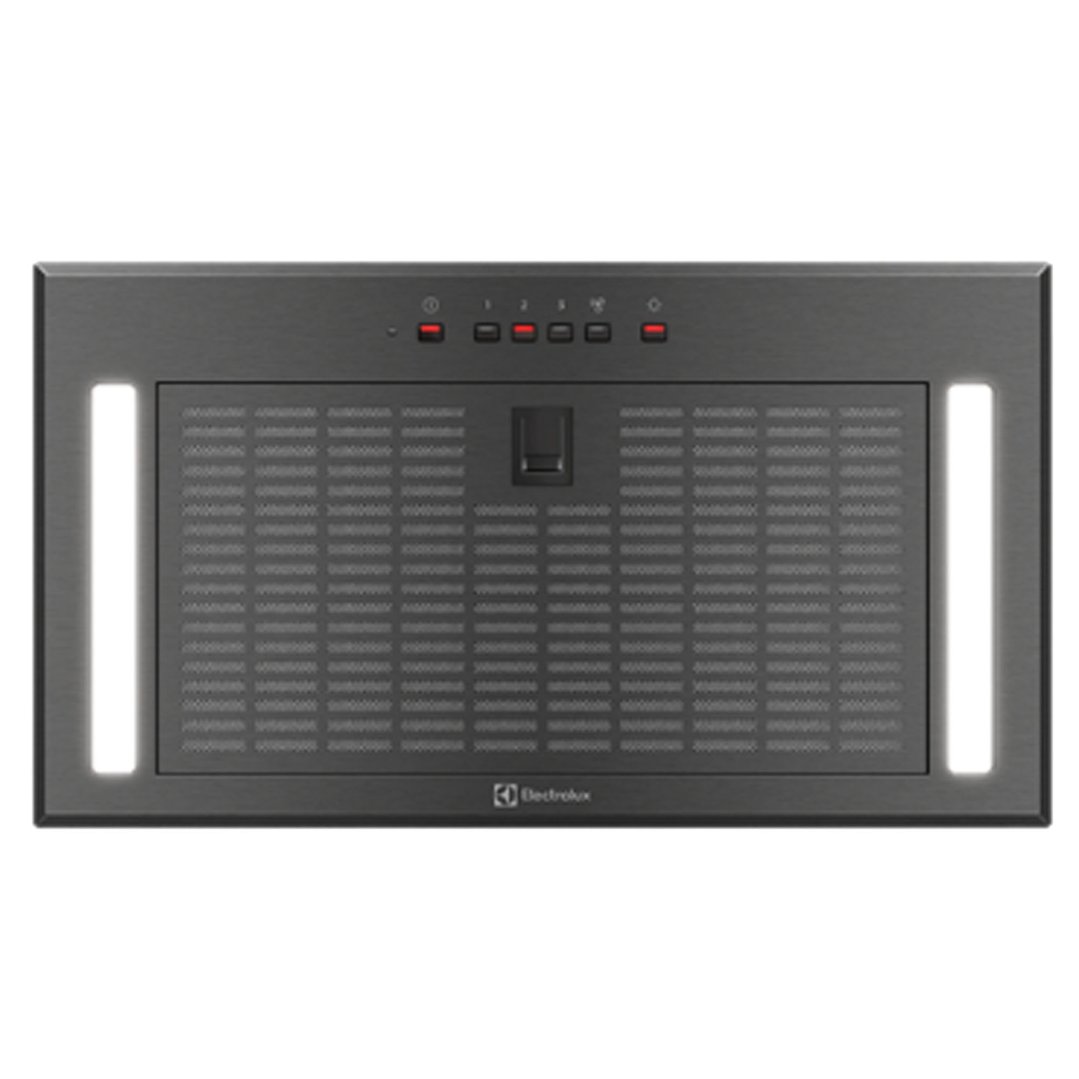





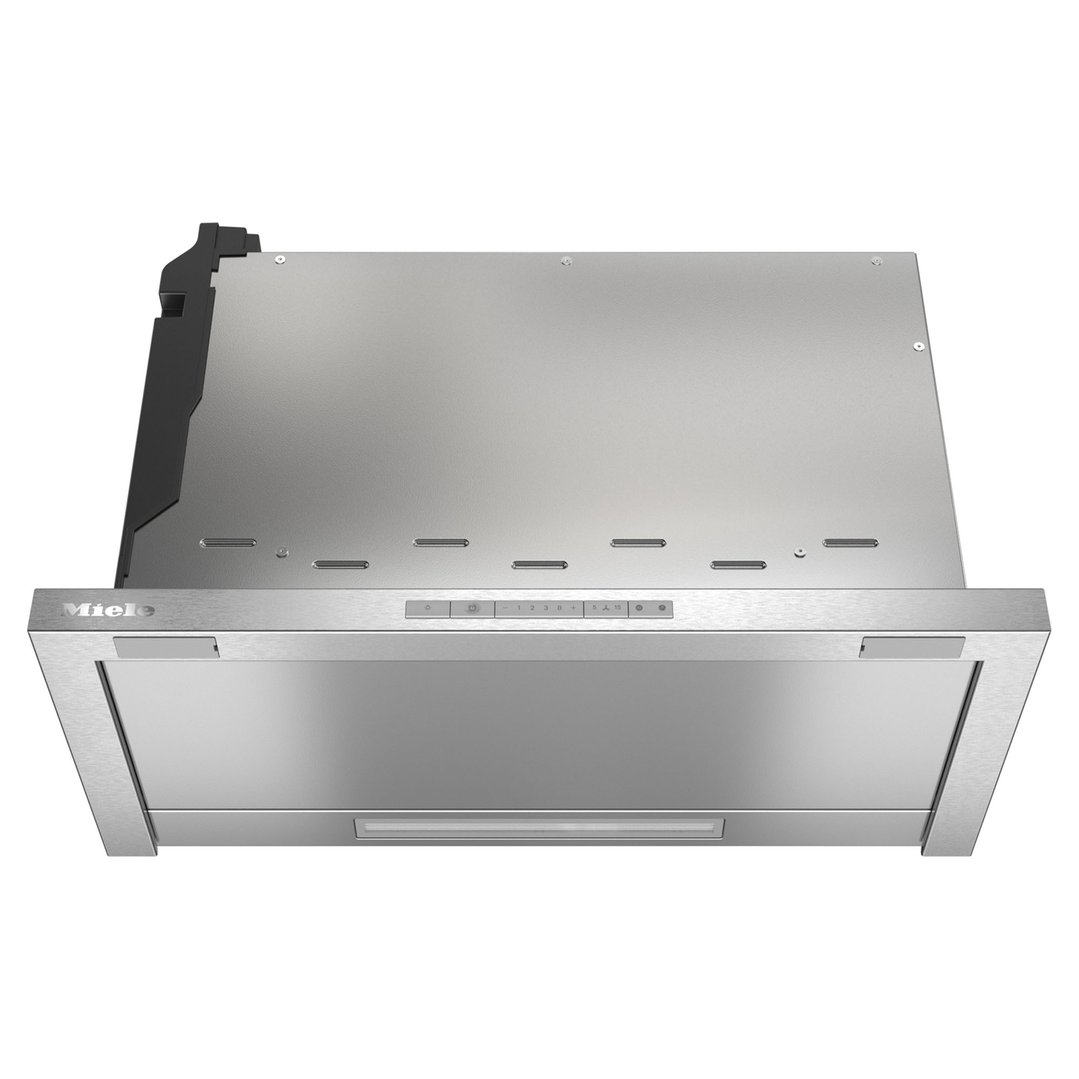
A rangehood is easy to underestimate until you cook without a good one. Cooking vapours, grease particles, steam and combustion by-products from gas all accumulate quickly in a kitchen without active extraction - on surfaces, in cabinetry and in the air. A well-matched rangehood removes them at the source, leaving the kitchen cleaner, cooler and much more comfortable to cook in. The right premium rangehood depends on your cooktop type, kitchen layout and ceiling configuration. Here's a guide to the main types and which situations they suit.
Rangehood Types
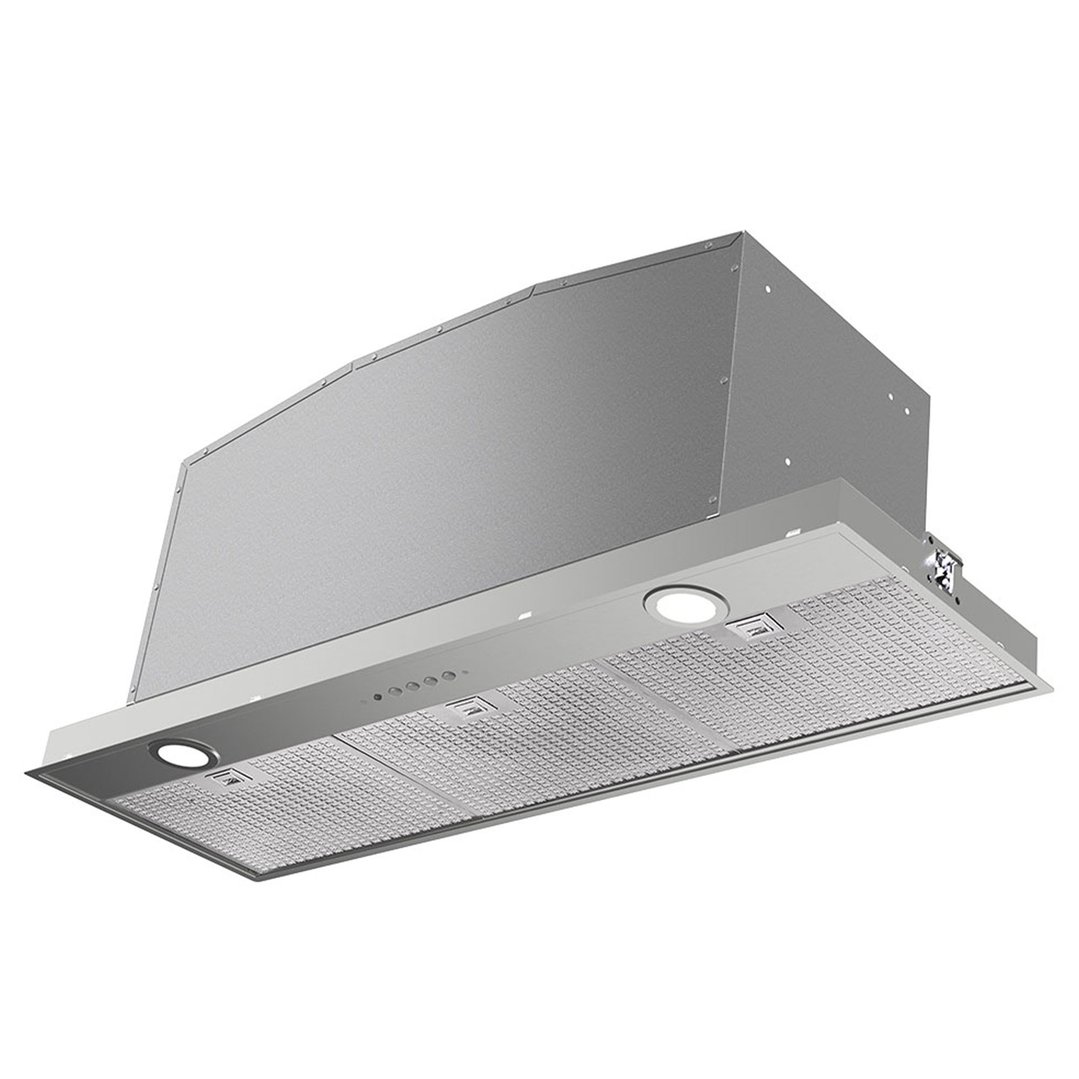
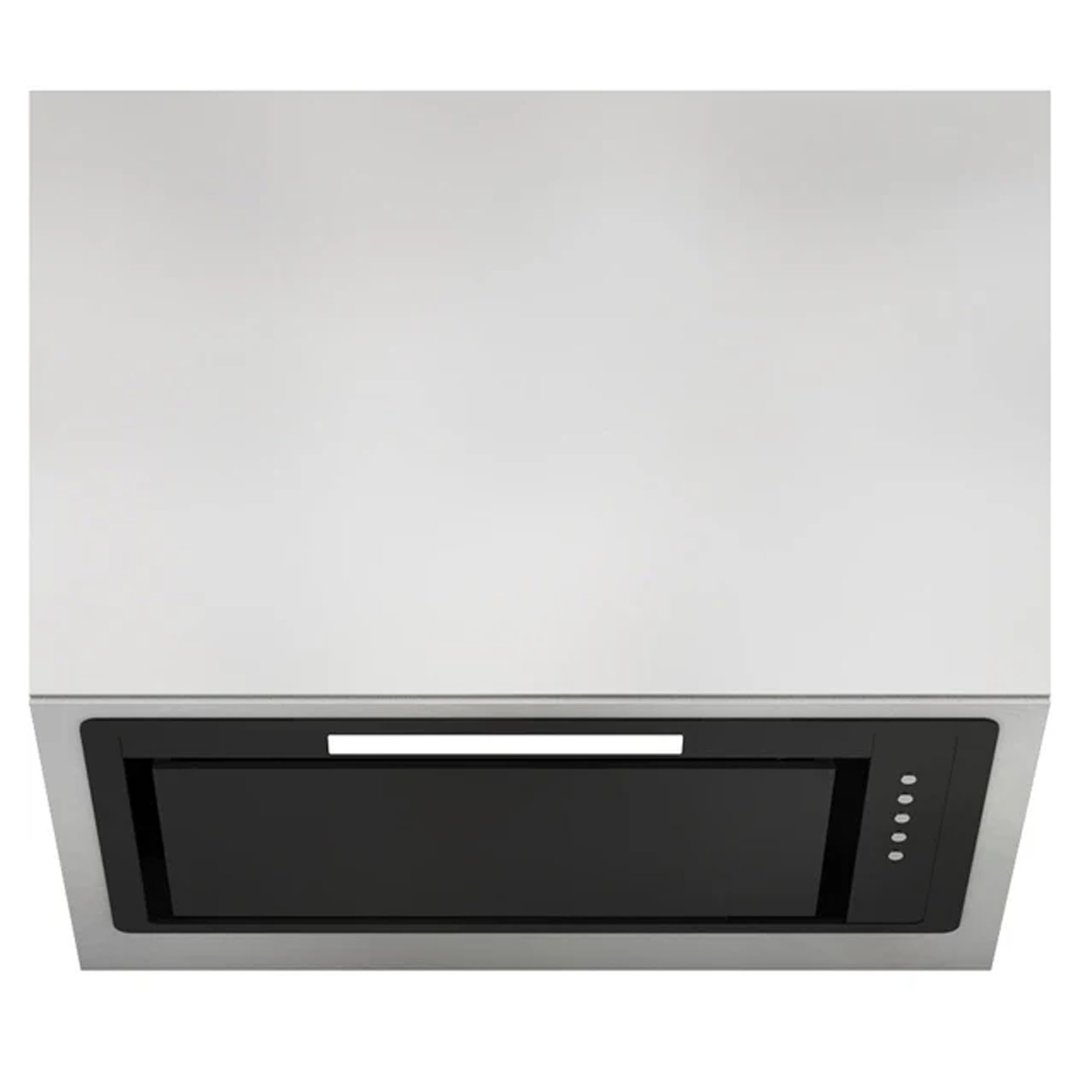
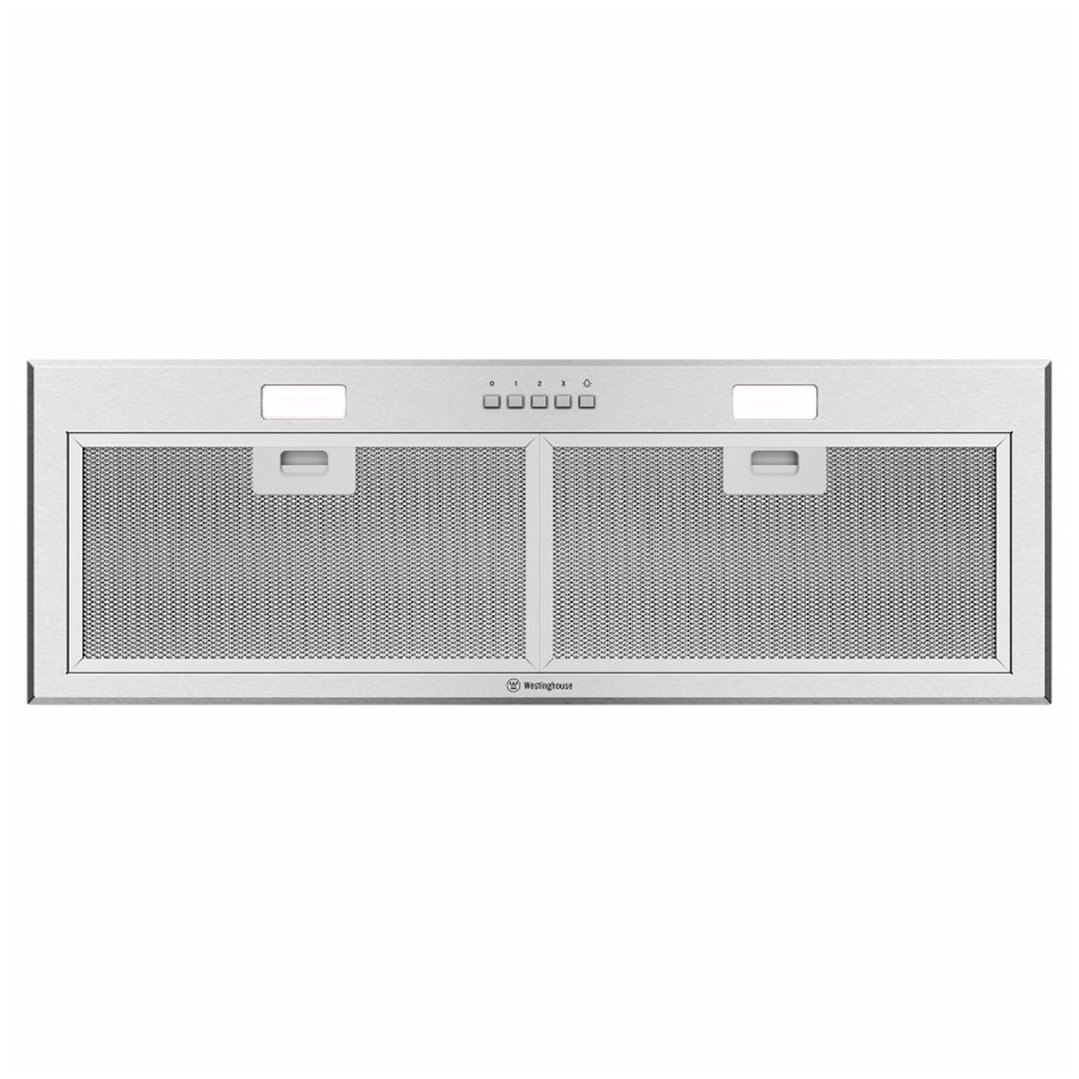
Undermount Rangehoods: Installs inside an overhead cabinet, fully hidden. Clean and discreet. Good for kitchens where cabinetry runs directly overhead.
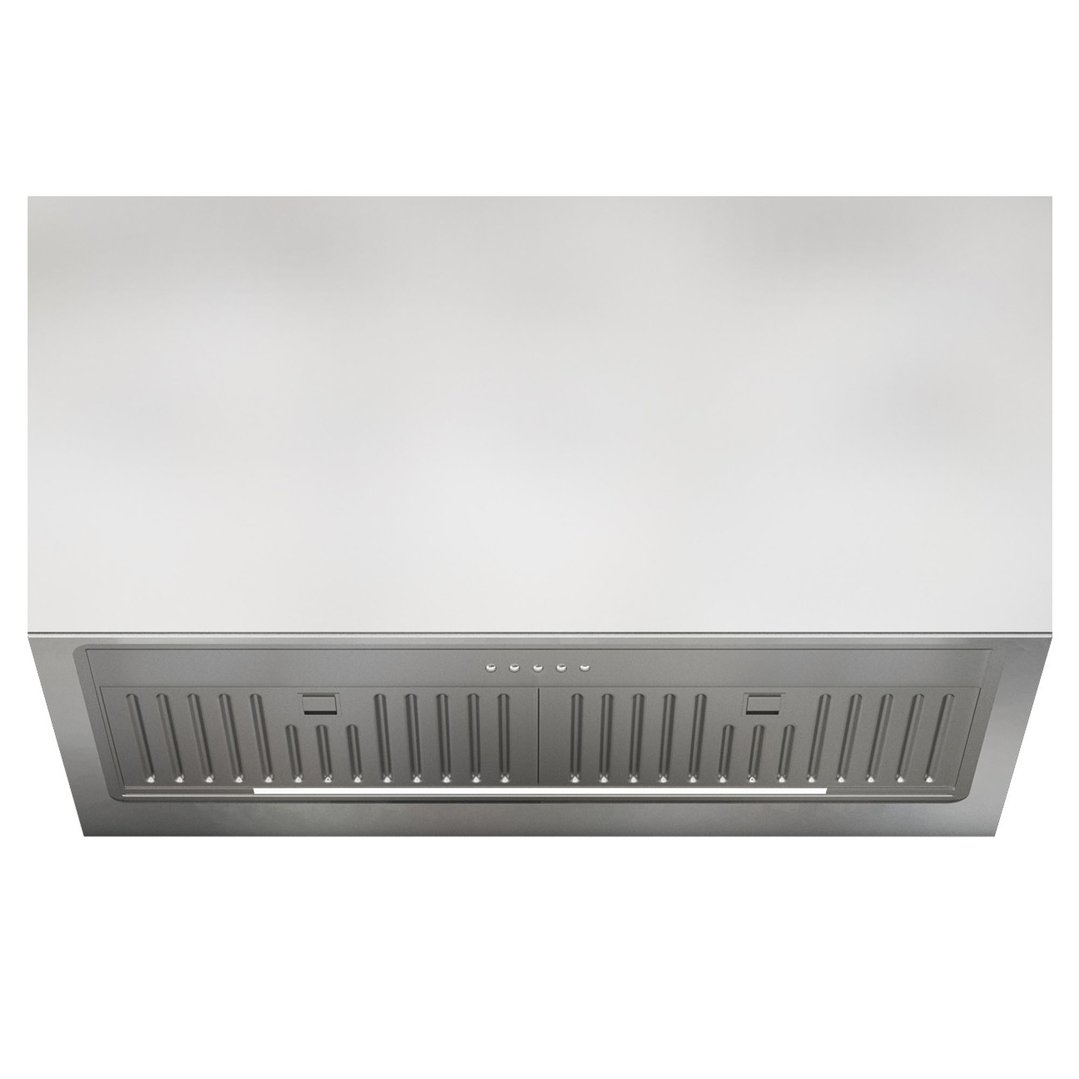
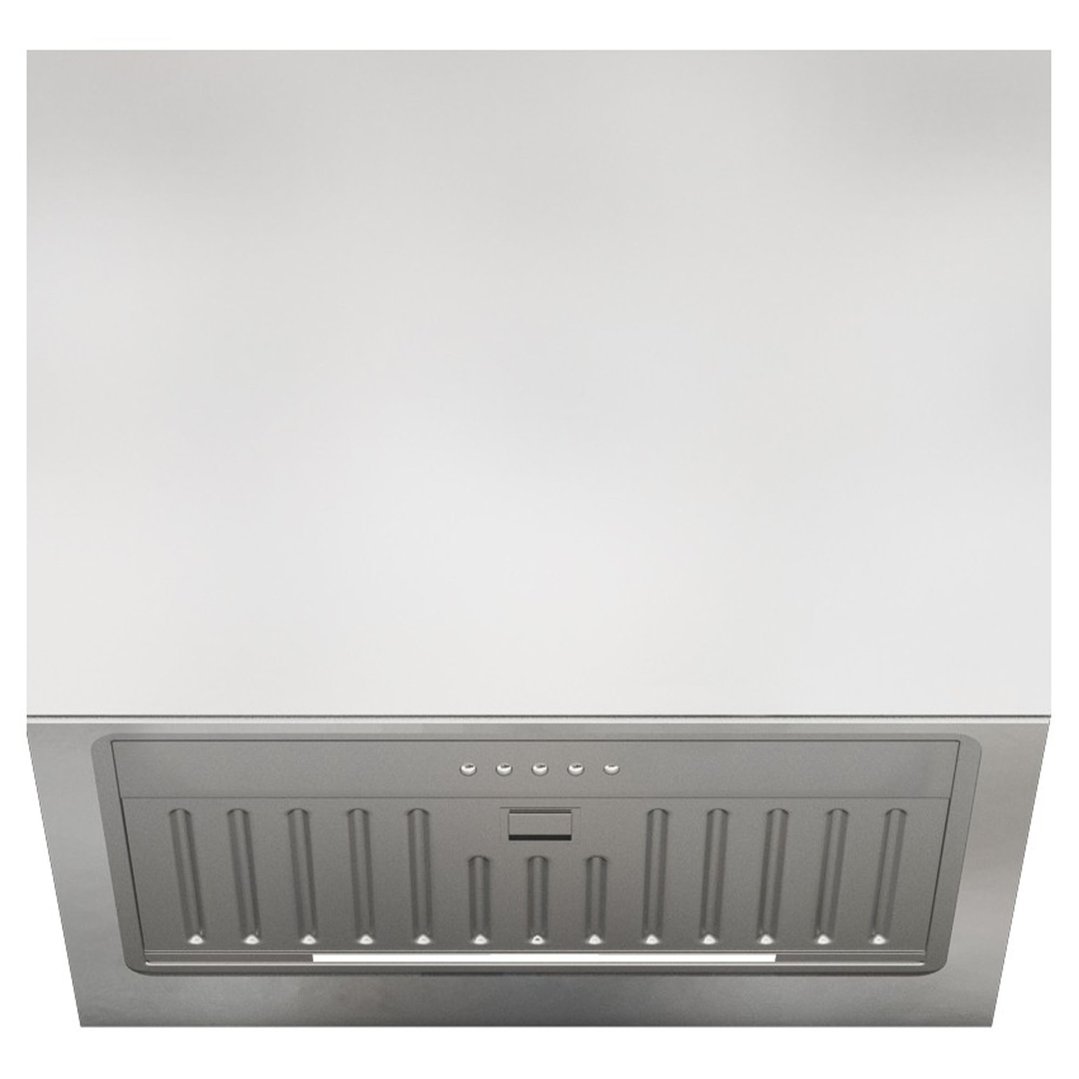
Canopy Rangehoods: Wall-mounted, chimney-style. Powerful extraction makes a visual statement. Suits kitchens where the cooktop is against a wall.
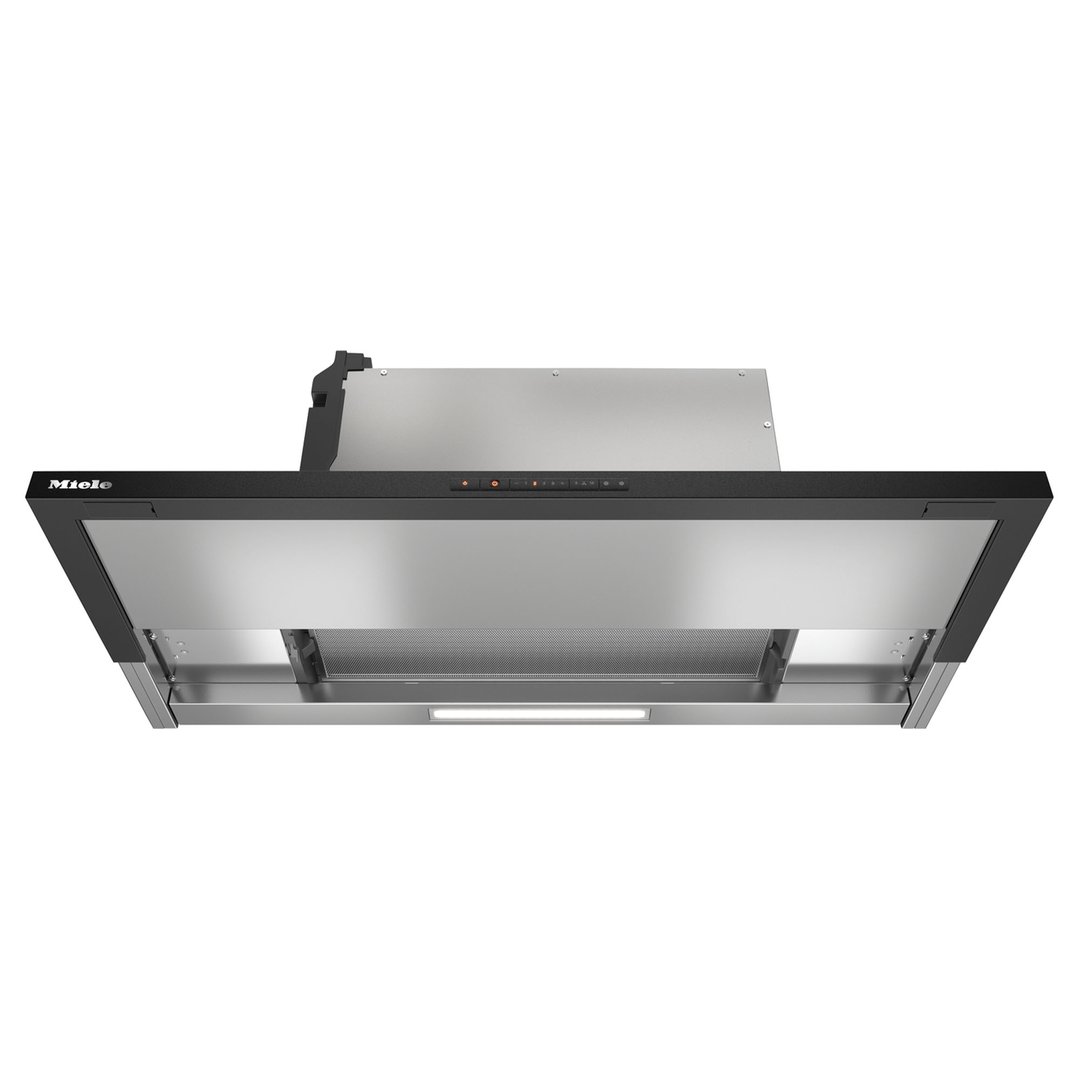
Slideout Rangehoods: Slides out from a cabinet when in use, concealed when not. A practical middle ground.
Fixed Rangehoods: A simple, reliable under-cabinet design with no moving parts.
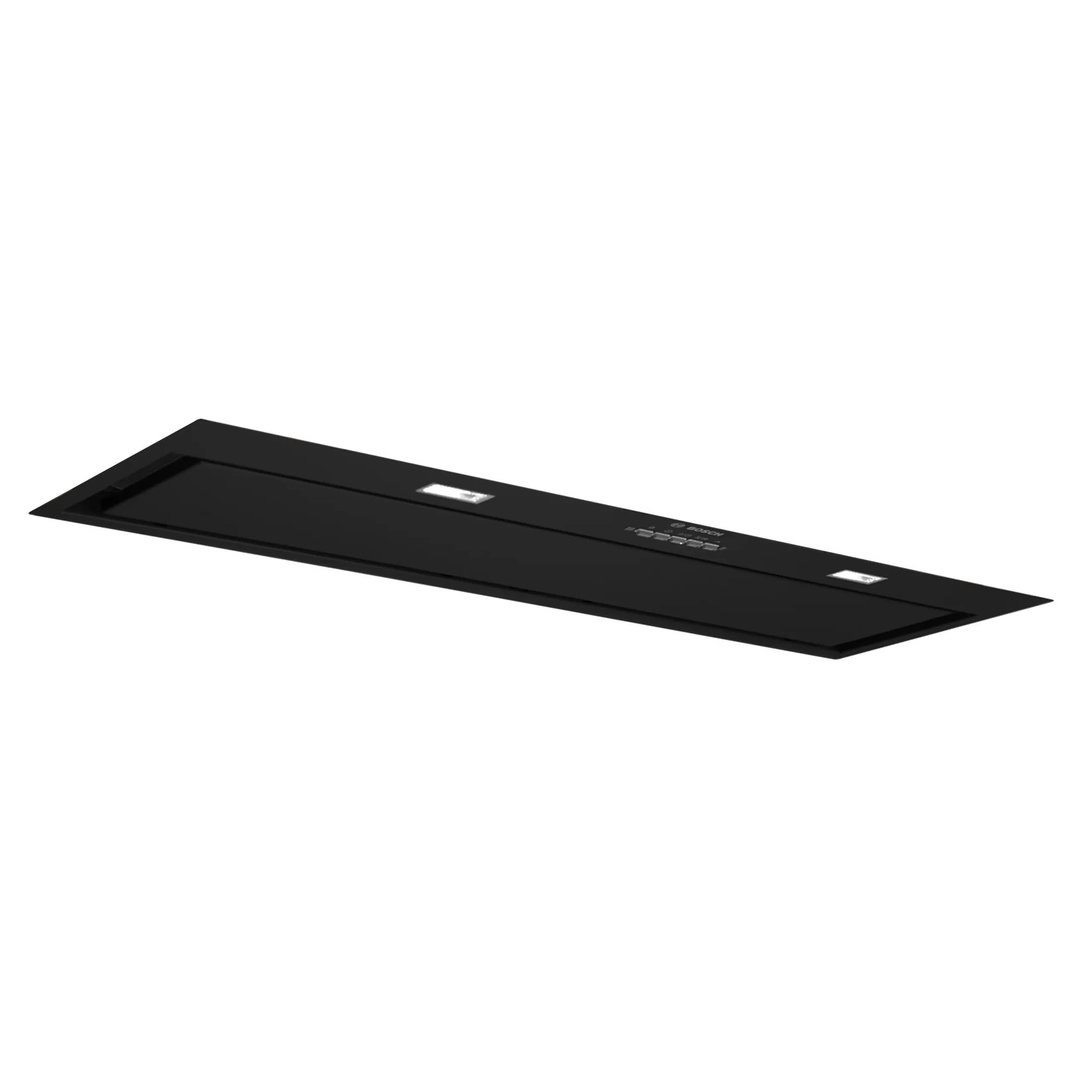
Ceiling-Mounted Rangehoods: Flush-mounted into the ceiling above the cooktop. The most visually discreet option available.
Island Rangehoods: Suspended above an island bench. Works as a design feature and ventilation solution simultaneously.
Downdraft Rangehoods: Rises from the benchtop and extracts downward. No overhead cabinetry required.
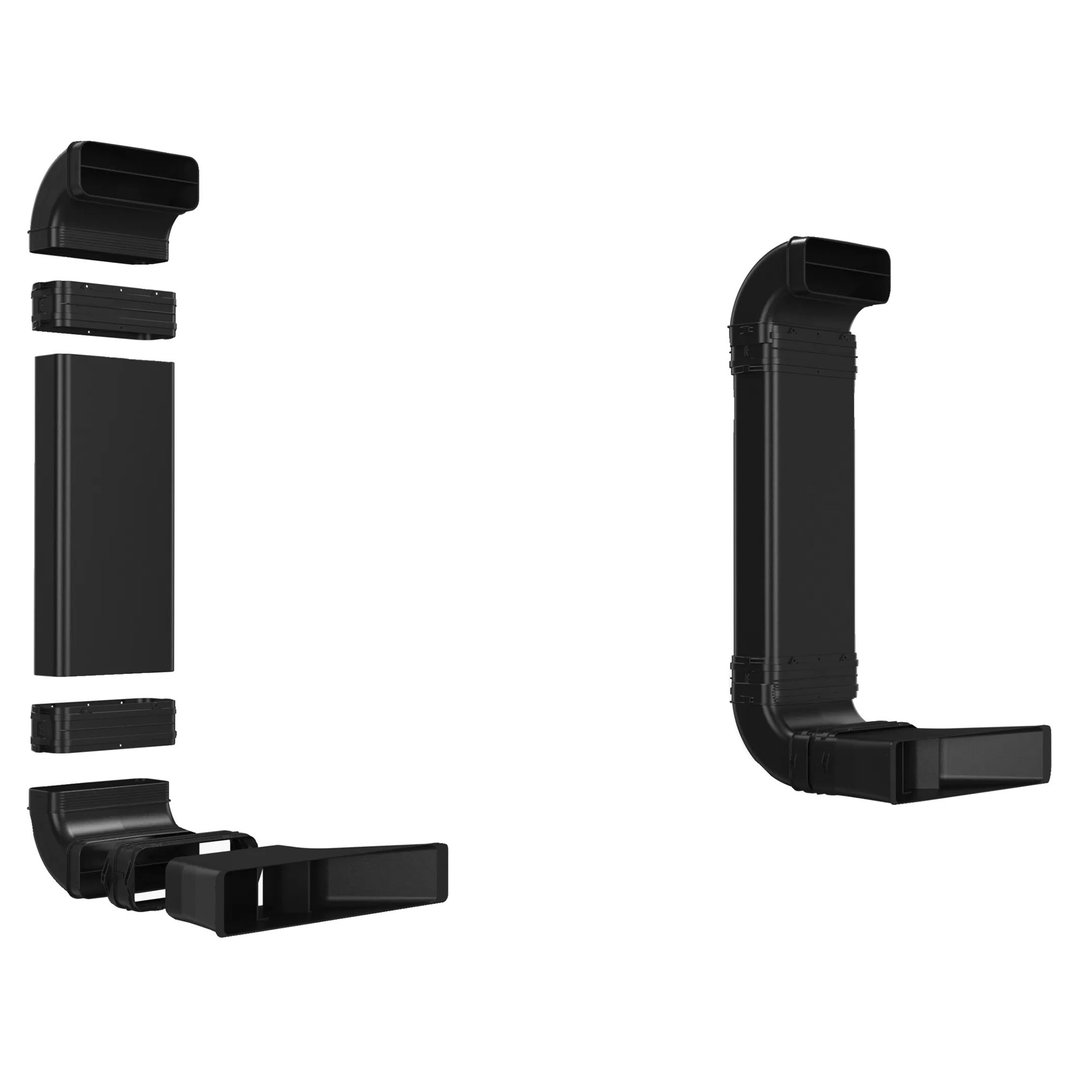
Rangehood Accessories: Replacement filters, ducting kits and recirculation components.
Ducted vs Recirculating
A ducted rangehood vents air directly outside through a wall or ceiling duct. It's more effective - air leaves the kitchen entirely. A recirculating rangehood filters air through activated charcoal and returns it to the room. No external duct needed, making installation simpler, but the charcoal filters need regular replacement and effectiveness is lower for heavy cooking. Where external ducting is possible, ducted installation is the better long-term choice. If the building structure or a rental situation makes ducting impossible, recirculation is a workable alternative.
How to Size a Rangehood
Match the rangehood width to your cooktop width - this is the most important dimension. Extraction capacity is measured in cubic metres per hour (m3/h). For typical home cooking, 600-800 m3/h suits most kitchens. For high-heat cooking or open-plan spaces, 800-1200 m3/h is more appropriate. Installation height also affects performance. Most manufacturers specify 65-75cm above the cooktop for electric and induction, and 70-80cm for gas. Too high reduces effectiveness; too low is a safety concern with gas.
Frequently Asked Questions
Q. Do I need a rangehood for an induction cooktop?
Yes - while induction doesn't produce combustion gases, it generates cooking vapours, steam and airborne grease from the food itself. A rangehood keeps the kitchen cleaner and prevents grease buildup on surfaces and cabinetry.
Q. How do I calculate what extraction capacity I need?
A rough guide: multiply the kitchen volume (length x width x ceiling height in metres) by 10-15 for a regular kitchen, or by 15-20 for open-plan or high-volume cooking. For most Australian home kitchens, 600-900 m3/h covers the range adequately.
Q. How often do filters need cleaning?
Aluminium baffle or mesh filters should be cleaned every 4-6 weeks with regular use - most are dishwasher-safe. Carbon filters in recirculating systems need replacing every 3-6 months depending on use, as they can't be washed.
Q. Can I vent a rangehood into the roof cavity?
No. Rangehood exhaust must be ducted entirely outside the building - not into a roof cavity, wall cavity or subfloor. Grease accumulation inside a building cavity is a fire risk. External ducting through the wall or ceiling to the outside is the correct and required installation.
Explore the full rangehood range and pair with your choice of cooktop and oven. Whether you’re planning a complete kitchen makeover or simply seeking the perfect replacement, our team is here to join you on the journey. Book a consultation or visit our Signature Appliances showroom to experience our range in person and find the ideal fit for your home.