Inspired Living
Cooking with Steam: Benefits, Uses & Expert Tips

Last updated: 15 June 2026
Steam cooking was once reserved for the kitchens of fine-dining restaurants, but today's home cooks can access the same precision and health benefits through a steam oven. As confidence in the kitchen has grown, steam cooking has emerged as a natural next step, delivering healthier, more flavourful results without added complexity.
Skip to
Steam cooking uses moisture rather than dry heat to cook food, typically through a steam oven. These appliances draw water from an internal reservoir to create steam, gently and evenly cooking ingredients while helping them retain moisture, nutrients and natural flavour.
The popularity of steam cooking has grown as home cooks look to recreate restaurant-quality results with healthier methods. Cooking with steam requires less oil, reduces the risk of overcooking, and works beautifully for fish, vegetables and proteins. For kitchens that prioritise health, precision and quality, it's a natural fit.
To add steam cooking to your kitchen, you’ll choose between a full-steam oven and a combi steam oven. While both options replicate professional techniques that feature in fine-dining restaurants, they offer slightly different capabilities.
| Full steam | Combi-steam | Steam-assist |
|---|---|---|
| A full-steam oven uses 100% steam rather than a combination of hot air and steam, making it ideal for delicate ingredients that require gentle cooking. Fish, in particular, benefits from this method. Because there's no dry heat involved, ingredients retain their moisture throughout, resulting in evenly cooked dishes with nutrients and flavour preserved. | A combi-steam oven combines steam with conventional dry heat, offering greater flexibility. This makes it well suited for roasting, baking and browning while still retaining moisture and texture. It's a versatile option for home cooks who want the benefits of steam across a wider range of dishes. | Steam-assist ovens are a type of combi-steam oven that introduces steam at specific stages of cooking rather than throughout. This delivers a subtle enhancement to conventional methods, improving moisture and texture without a dramatic change in technique. A practical entry point for those new to steam cooking. |
Moisture and flavour retention: Steam surrounds ingredients evenly, preventing the drying effect of conventional ovens. The result is juicier proteins and more vibrant vegetables.
Nutrient preservation: Gentle steam cooking helps ingredients retain vitamins and minerals that are often lost through high-heat methods.
Lower fat cooking: Because steam provides moisture, you can reduce or eliminate added oils without sacrificing texture or taste.
Precision and consistency: Steam delivers even heat distribution, reducing the risk of overcooking or uneven results. This is why steam is favoured in professional kitchens.
Versatility: From delicate fish and vegetables to bread and roasts, steam cooking adapts to a wide range of dishes.
Steam ovens are remarkably versatile, handling everything from delicate dishes to hearty roasts. Here's what they do well:
Fish and seafood: Gentle, even heat keeps fish moist and flaky without the risk of overcooking.
Vegetables: Steam preserves colour, texture and nutrients better than boiling or roasting.
Poultry and meat: Roast chicken, lamb or beef stays juicy on the inside while combi-steam models can crisp the exterior.
Baking: Bread benefits from steam in the early stages, creating a better crust. Cakes stay moist throughout.
Reheating: Unlike microwaves or conventional ovens, steam reheats without drying out leftovers.
The disadvantages of an integrated fridge: what to weigh up
While the design benefits are clear, there are practical trade-offs every homeowner should understand.
Lower Storage Capacity: To sit flush with 600mm deep cabinets, the fridge body is shallower than a standard model. You may lose up to 20% of the internal volume compared to a freestanding French Door fridge.
Precision Installation: These units are not "plug and play." They require a specialist installer and a skilled cabinet maker to ensure the doors align perfectly. If the floor isn't level or the joinery is slightly off, the fridge may not seal correctly.
Replacement Difficulty: Integrated fridges are built into your kitchen's "skeleton". Replacing one down the line often means finding a unit with the exact same dimensions, or you risk having to redo your cabinet panels.
1. What will I cook most often?
If your focus is delicate dishes like fish, vegetables and baking, a full-steam oven offers the precision you need. If you want flexibility across roasting, grilling and steaming, a combi-steam oven is more versatile.
2. Am I replacing or complementing my current oven?
A combi-steam oven can serve as your primary oven, handling both conventional and steam cooking. A full-steam oven works best as a companion to an existing conventional oven, giving you dedicated steam functionality.
3. What matters most: health, convenience or versatility?
Full-steam ovens prioritise nutrient retention and gentle cooking. Combi-steam models offer a balance of steam benefits with traditional browning and crisping. Consider which aligns with how you like to cook.
4. How much maintenance am I comfortable with?
Steam ovens require regular descaling to prevent mineral build-up, particularly in hard water areas. Some models have automatic cleaning cycles, while others need manual attention. Consider how hands-on you're willing to be with upkeep.
5. Do I want a plumbed or refillable water supply?
Some steam ovens connect directly to your water supply for continuous steam without manual refilling. Others use a removable reservoir that you fill before cooking. Plumbed models offer convenience but require installation planning. Refillable reservoirs offer more flexibility in placement but need topping up for longer cooking sessions.
Still exploring whether steam cooking or a steam oven is right for you? Signature Appliances’ specialists can help. Book an appointment or visit us at our showroom to see the full range of products and speak with an expert who can guide you to the right fit for your kitchen and lifestyle.
Explore our steam oven range

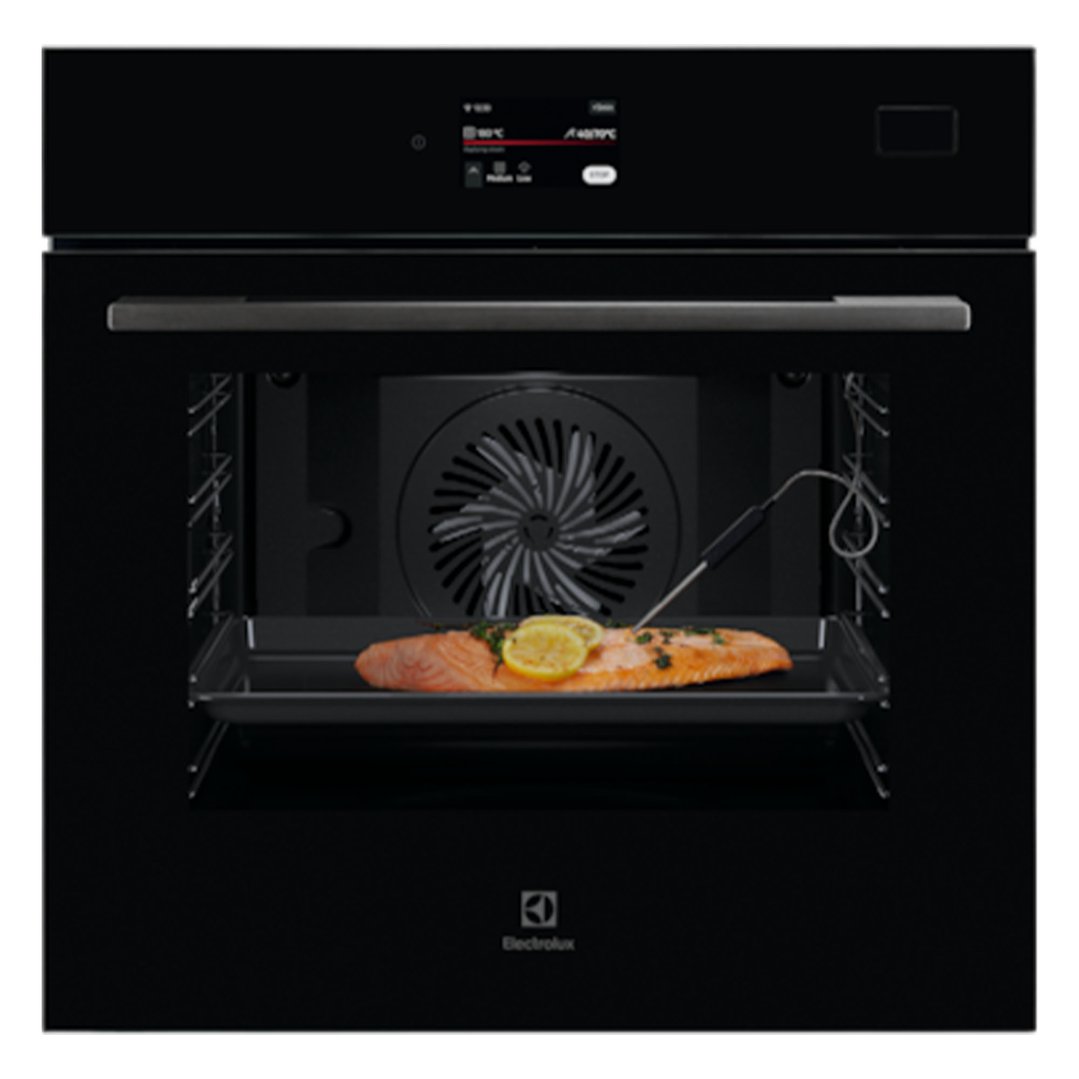

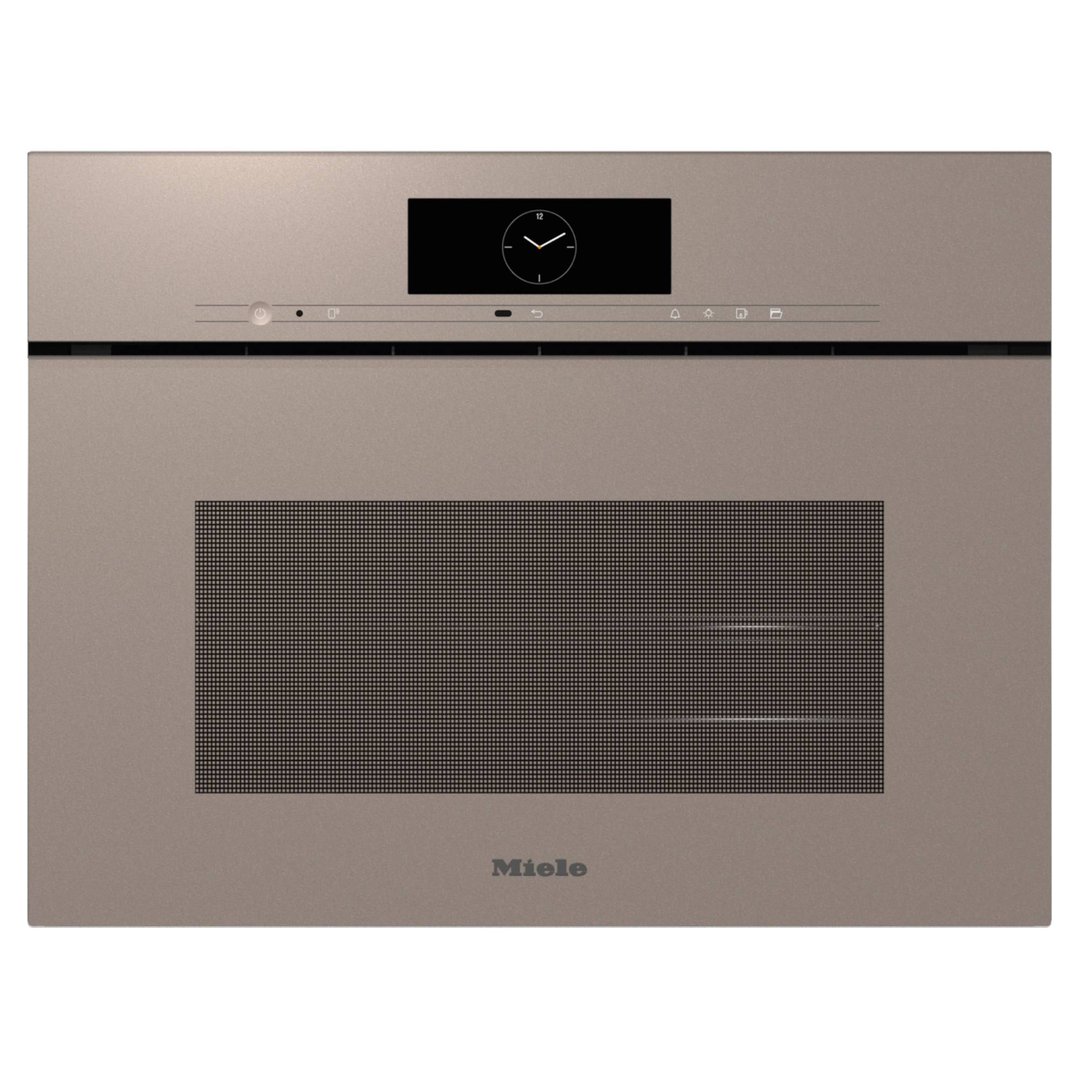
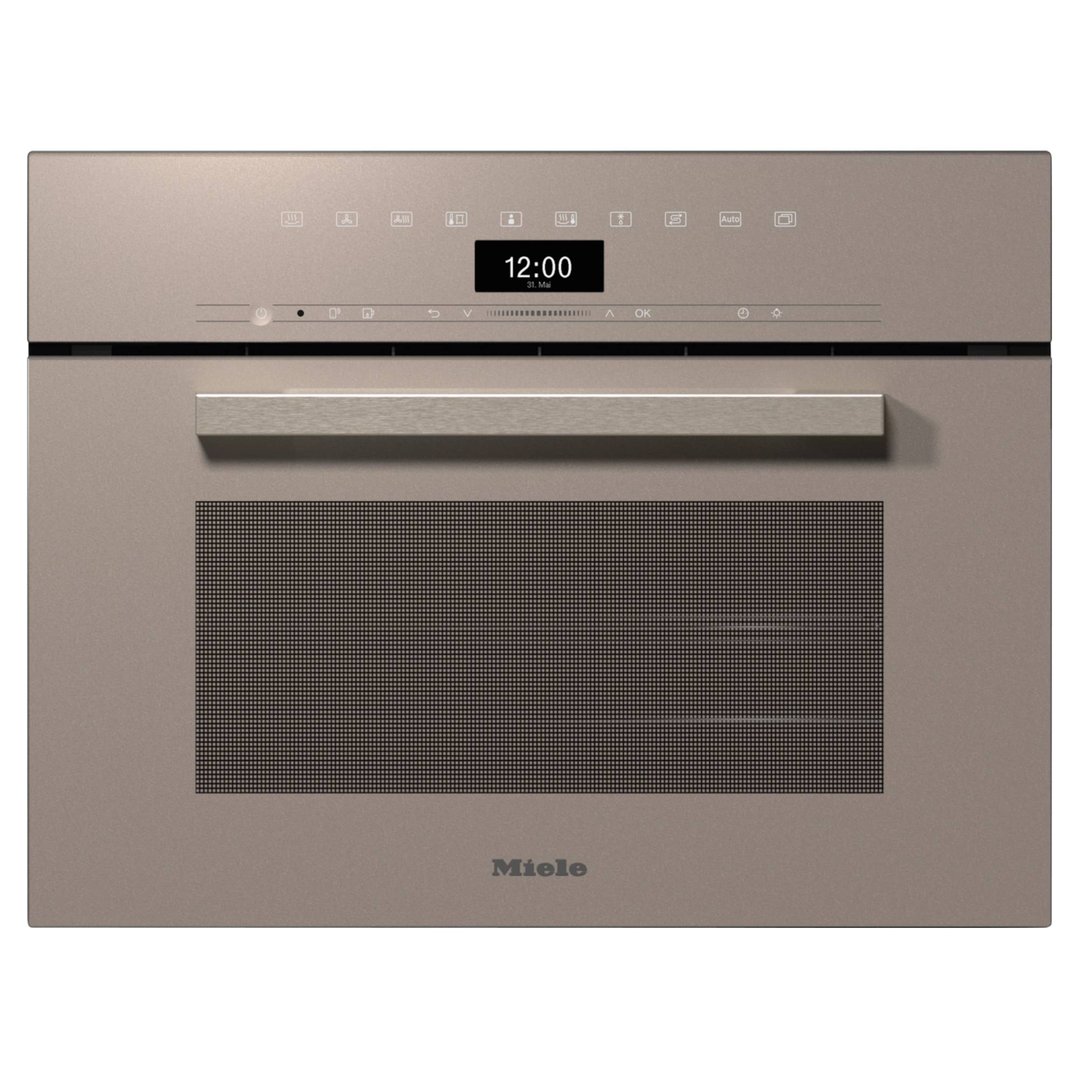
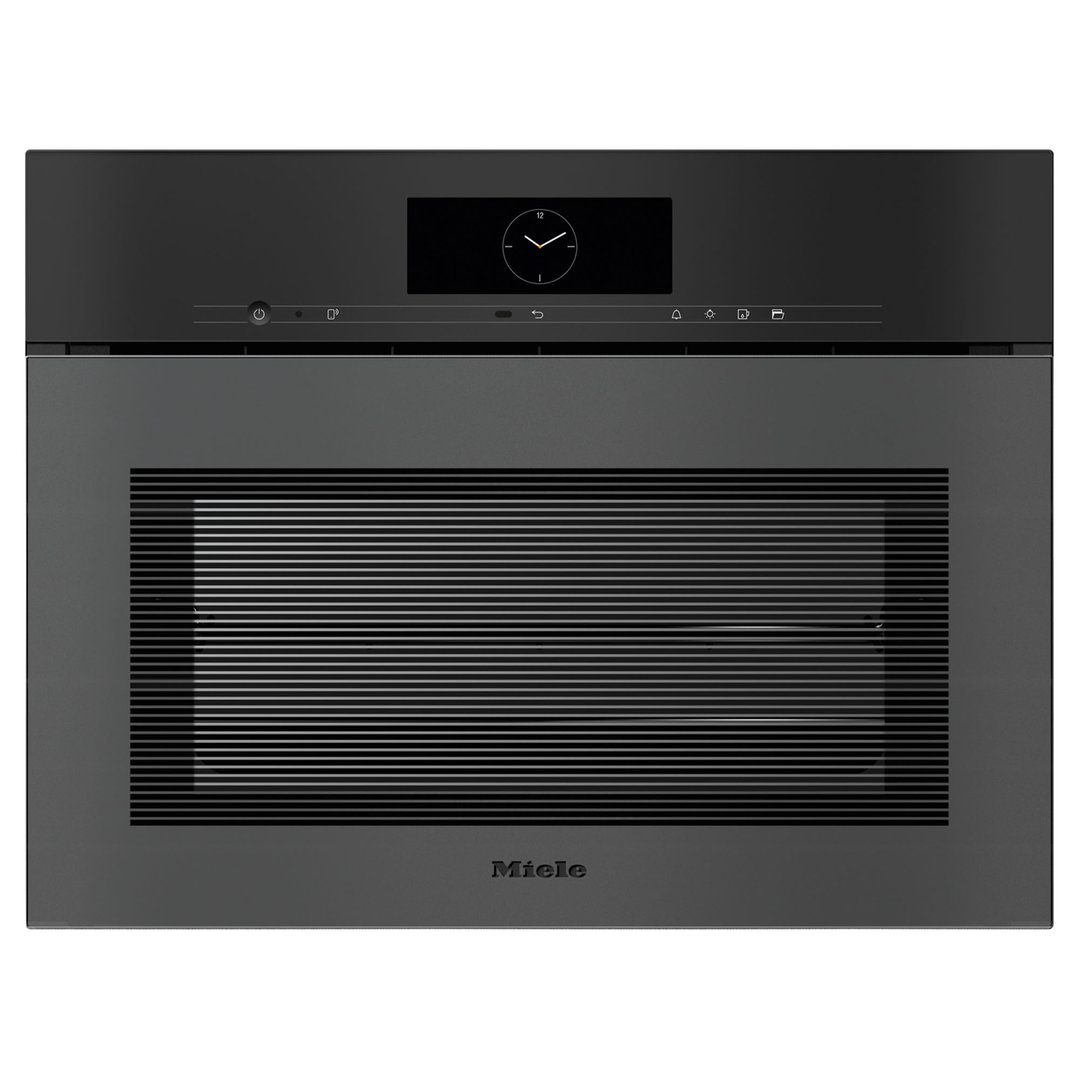
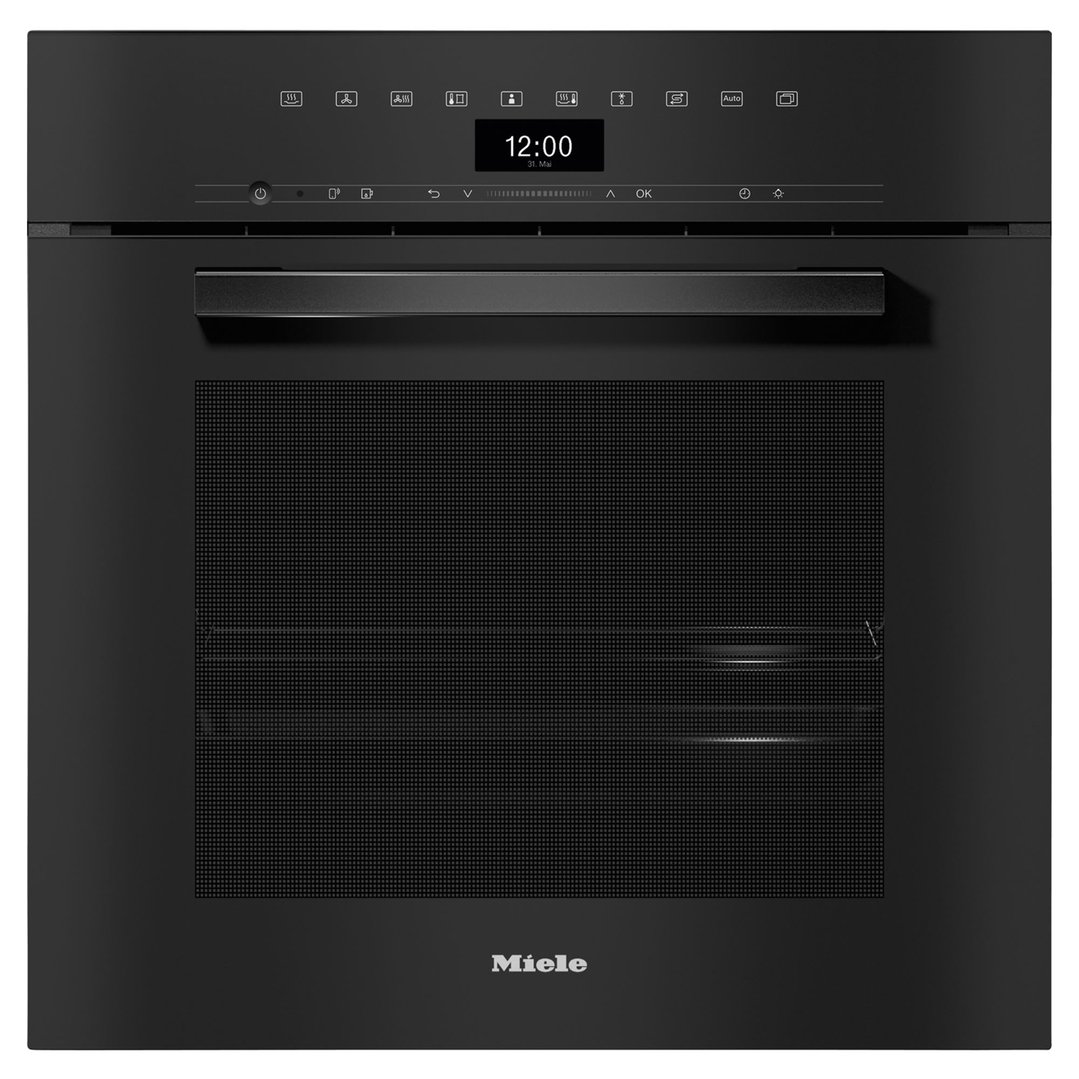
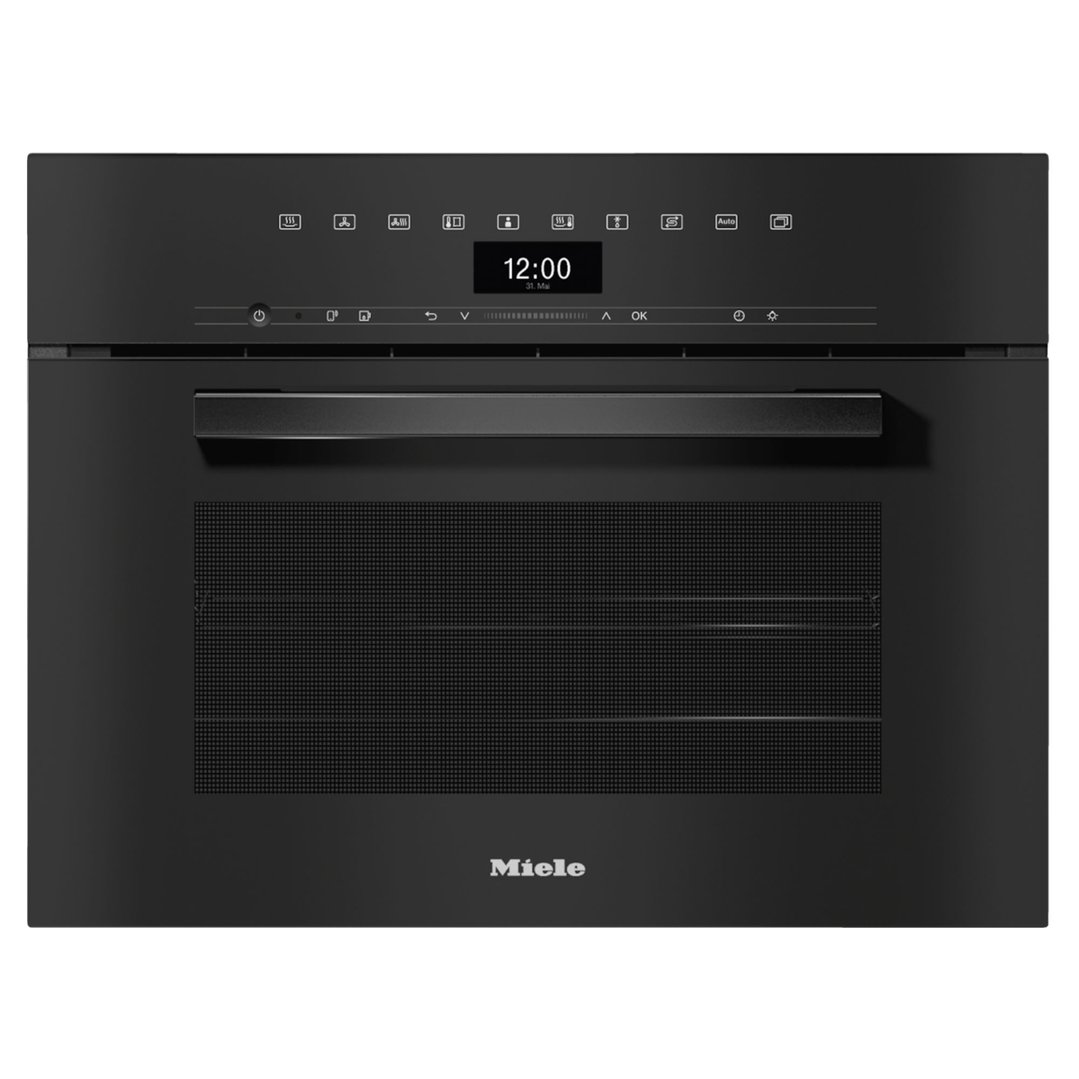
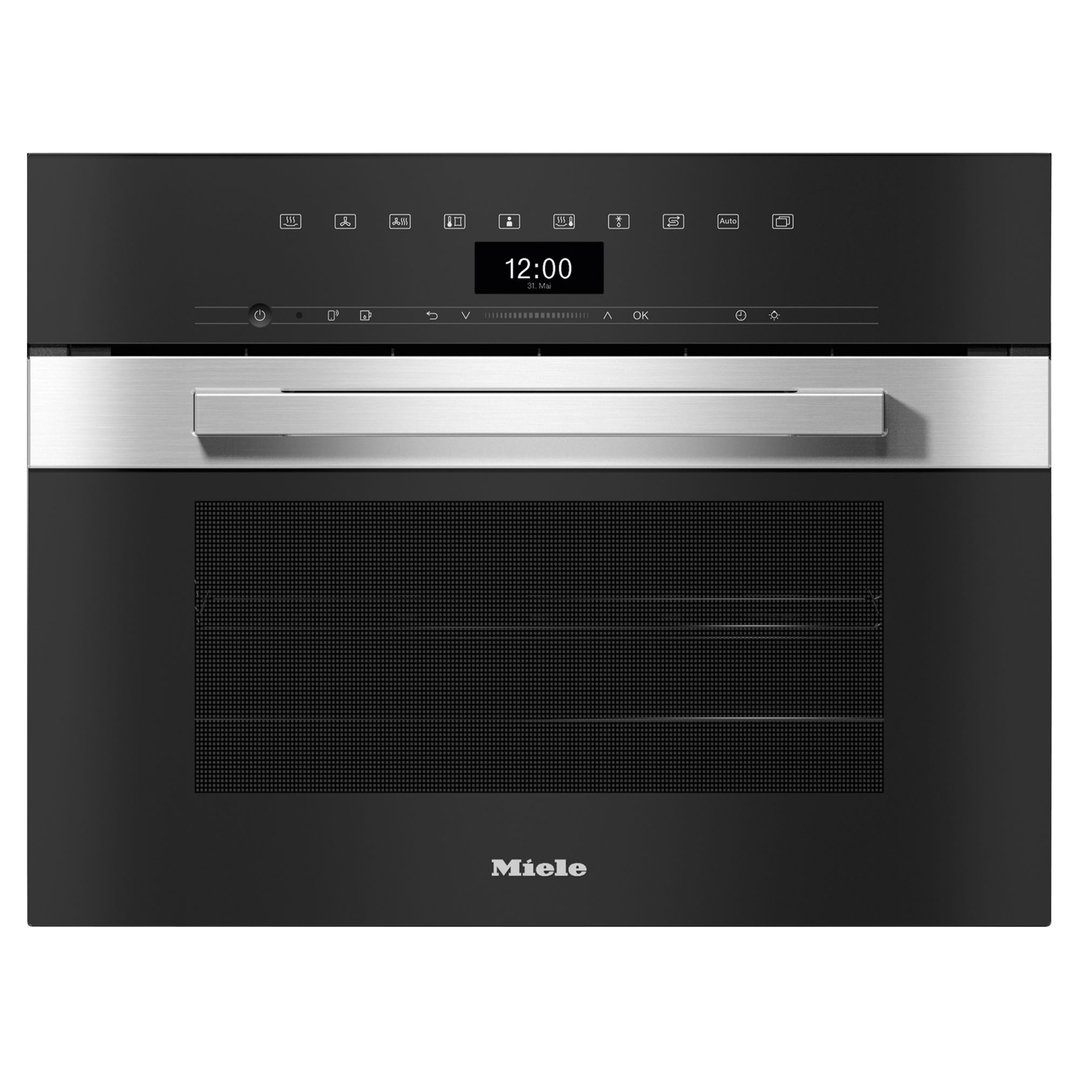
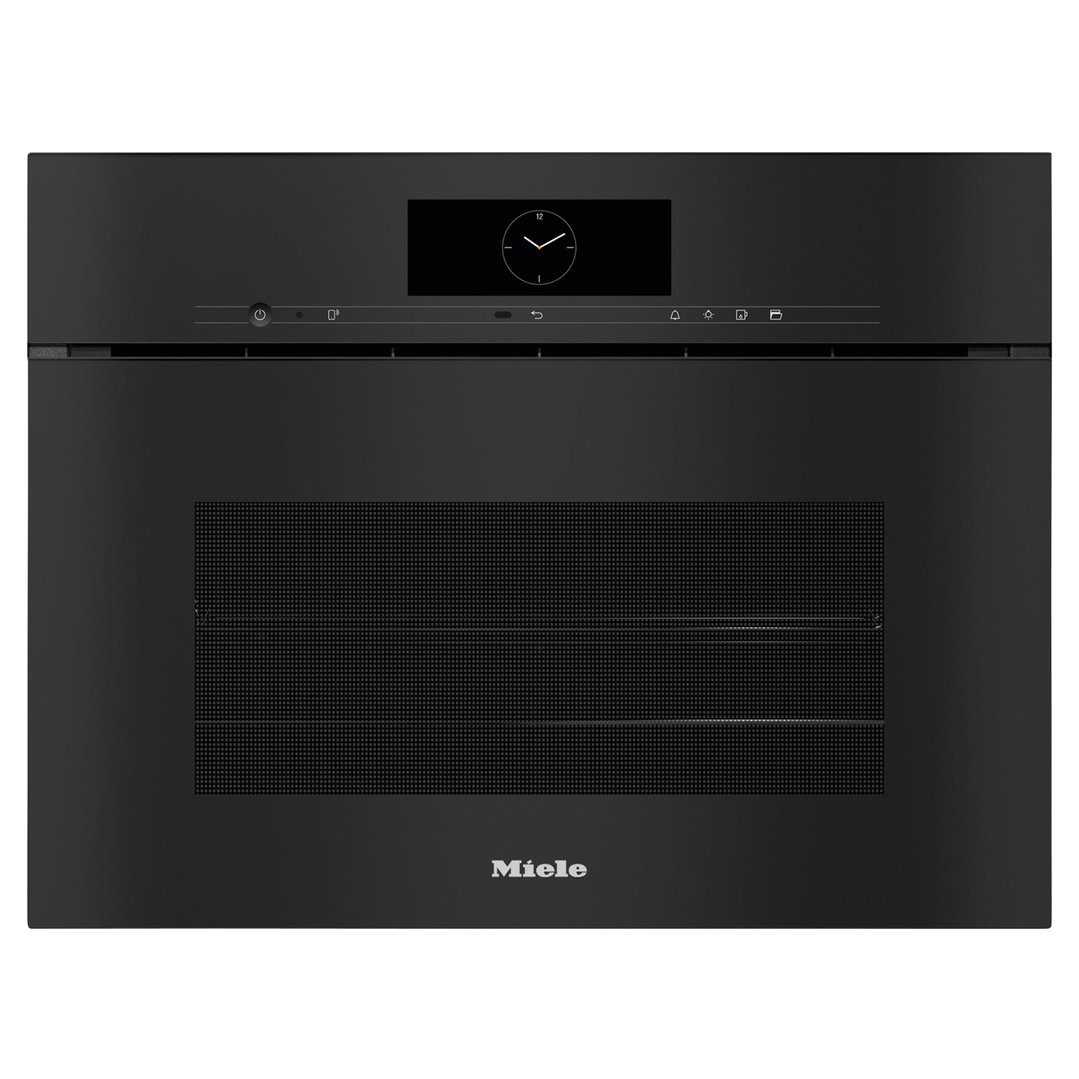
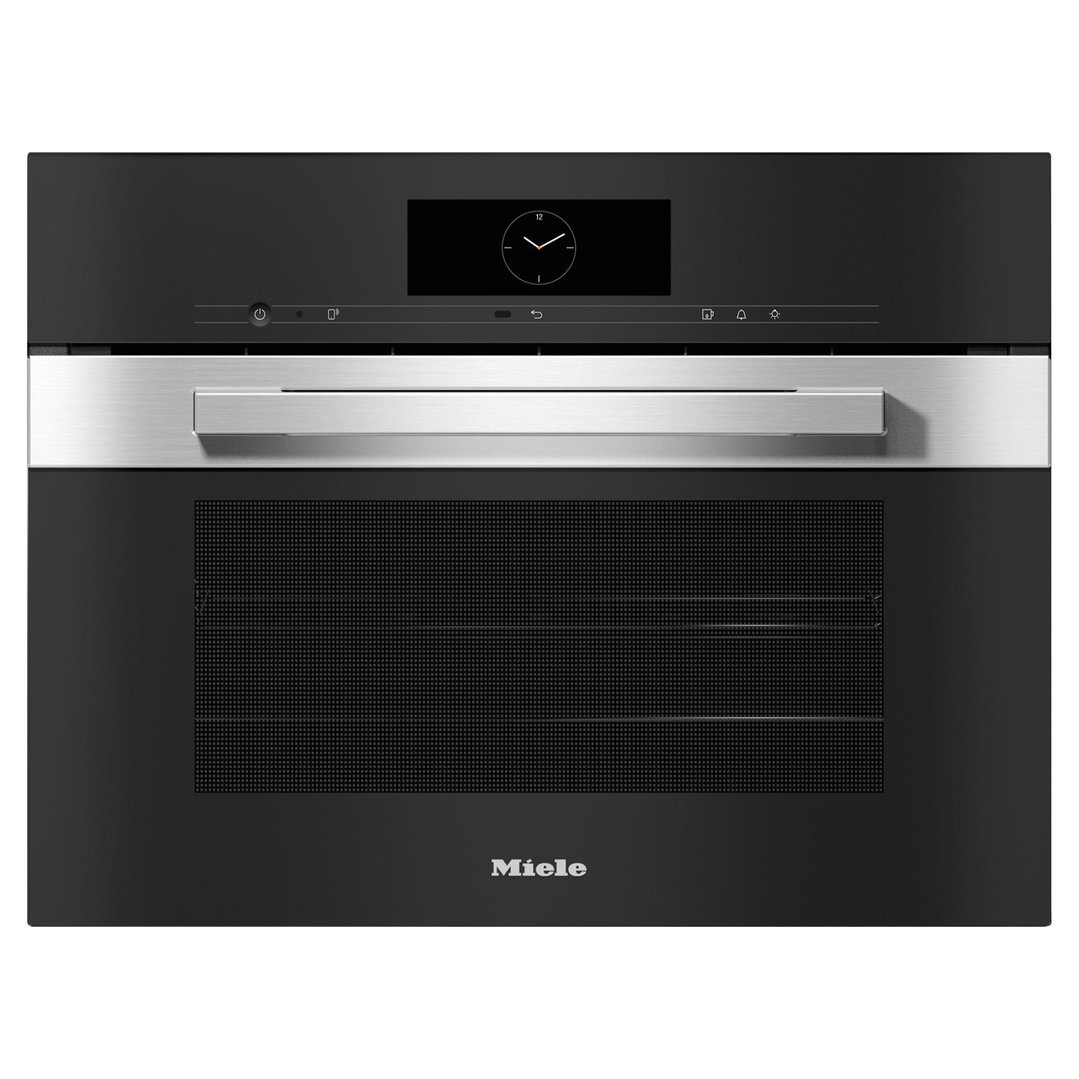
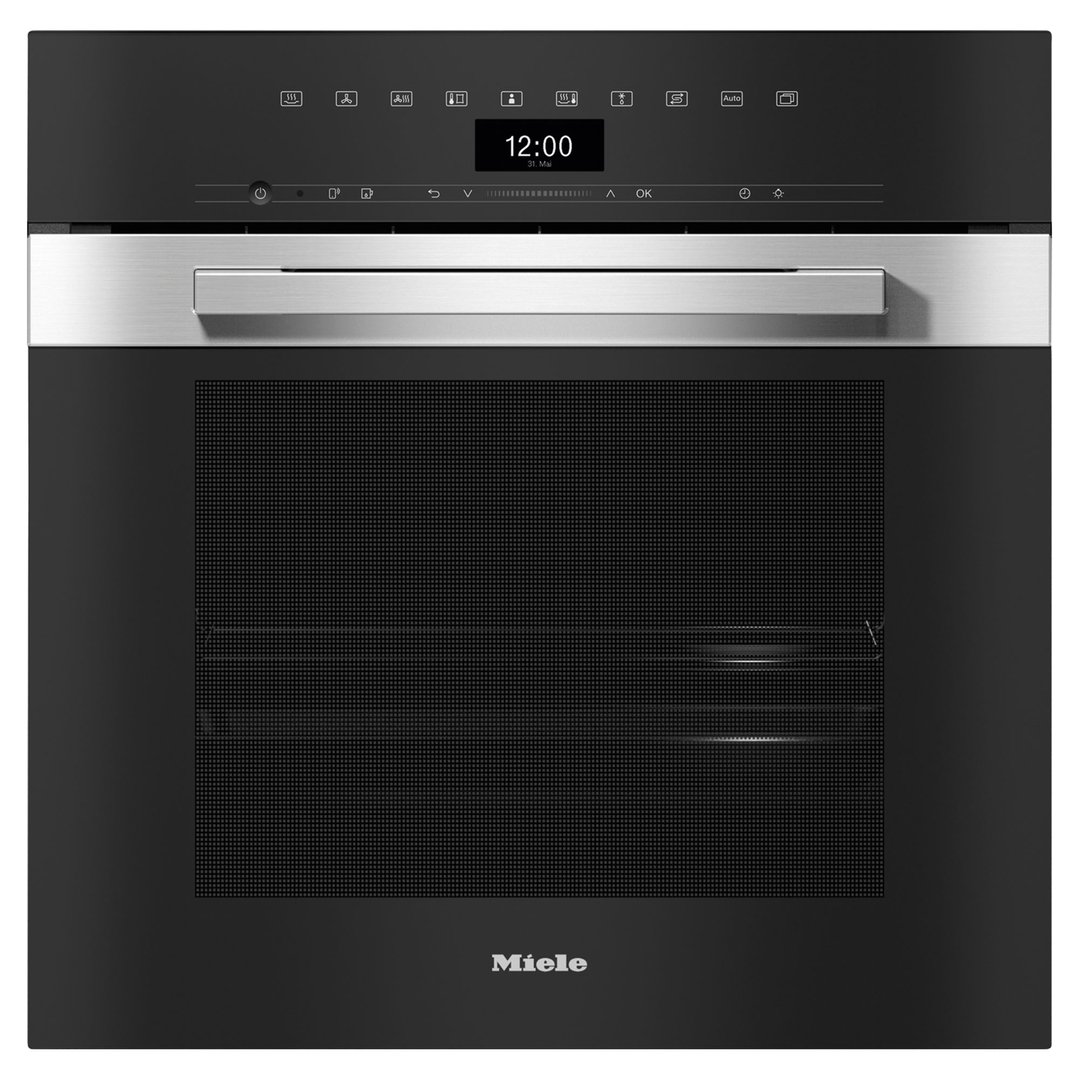
A steam oven uses steam and conventional heat for gentle, precise cooking. A combi steam microwave combines microwave technology with steam for faster results. Steam ovens are preferred for quality and precision; combi steam microwaves prioritise speed and convenience.
For home cooks who value healthier meals, precise results and versatility, a steam oven is a worthwhile investment. They're particularly valuable in kitchens where quality and nutrition are priorities.
Steam ovens typically cost more than conventional models and require regular descaling to maintain performance. Some full-steam ovens also need a plumbed water connection, which adds to installation complexity.
A conventional oven uses dry heat, which can dry out ingredients over longer cooking times. A steam oven introduces moisture, resulting in more even cooking and better retention of nutrients and texture.
A steam oven is ideal for cooking with precision at home, but you can also use a steamer. A steam oven allows you to cook a more versatile array of dishes than a steamer.
A full-steam oven uses 100% steam to cook ingredients, a combi-steam oven uses a combination of steam and hot air, and a steam-assist oven uses steam at certain stages of cooking.
Yes. Steam ovens handle everything from weeknight dinners like salmon or roast chicken to baked goods and more elaborate dishes. They're designed for regular use, not just special occasions.
No. Modern steam ovens are designed to be intuitive, with preset programmes for common dishes. Most home cooks find the transition straightforward.
Have more questions about steam ovens or cooking with steam? Call us on 1300 012 883 or book an appointment with one of our specialists.